Kharmas 2025: Kharmas is considered one of the most spiritually charged periods in the Hindu calendar, a month where auspicious ceremonies pause, devotion deepens and charity plays a major role. In 2025, Kharmas begins on 15 December at 10:19 pm when the Sun moves from Scorpio into Sagittarius, and it ends on 14 January 2026 with the arrival of Makar Sankranti. Although auspicious events are avoided during this time, Kharmas is highly significant for spiritual growth, devotion, vrata and selfless charity. The scriptures also associate this period with subtle seasonal changes and a fascinating mythological story linked to Surya Dev. Here is a complete guide for the month.
ALSO READ: Kharmas 2025: Auspicious Activities To Halt From 16 December As Sacred Month Begins
What Is Kharmas And Why Is It Observed?
Kharmas occurs when the Sun transits into Jupiter’s signs,Sagittarius (Dhanu) and Pisces (Meen). According to astrologers, when the Sun enters these signs, its power diminishes temporarily because it remains in the domain of its guru, Jupiter.
During this period, marriages, housewarmings, mundan ceremonies and all major auspicious rituals are avoided. However, Kharmas is considered extremely favourable for spiritual practices like mantra-chanting, charity, pilgrimages, reading sacred scriptures and daily worship.
It is believed that when both Sun and Jupiter are in weakened positions, the auspicious impact needed for major life events becomes unstable. Thus, Kharmas is treated as a time for reflection, devotion and inner work, not external celebrations.
Seasonal Changes During Kharmas
Kharmas aligns with the Hemant season, signalling shorter days, longer nights and a noticeable shift in weather patterns.
Astrologers note that when the Sun enters Sagittarius, sudden climatic changes often follow, fog, light rain, cold waves and even snowfall in various regions. This is why many parts of India observe atmospheric fluctuation during this month.
According to scriptures, the Sun governs seasonal cycles. As it moves into Jupiter’s sign, nature experiences a phase of transition, making Kharmas a month of both spiritual and environmental shifts.
Why Kharmas Occurs Twice A Year
The Sun enters Jupiter’s signs twice annually:
- Sagittarius (15 December – 14 January)
- Pisces (15 March – 15 April)
Every time the Sun and Jupiter come into conjunction within these signs, Kharmas is observed. Both months carry similar spiritual instructions and restrictions on auspicious rituals.
What To Do During Kharmas: Rituals And Spiritual Practices
Astrologers recommend several sacred practices during this month:
- Read Or Listen To Sacred Texts: Devotees are encouraged to read Bhagavad Gita, Bhagavat Puran, Shiv Puran, and Ramcharitmanas. Completing at least one text during Kharmas is believed to purify the mind and bring spiritual clarity.
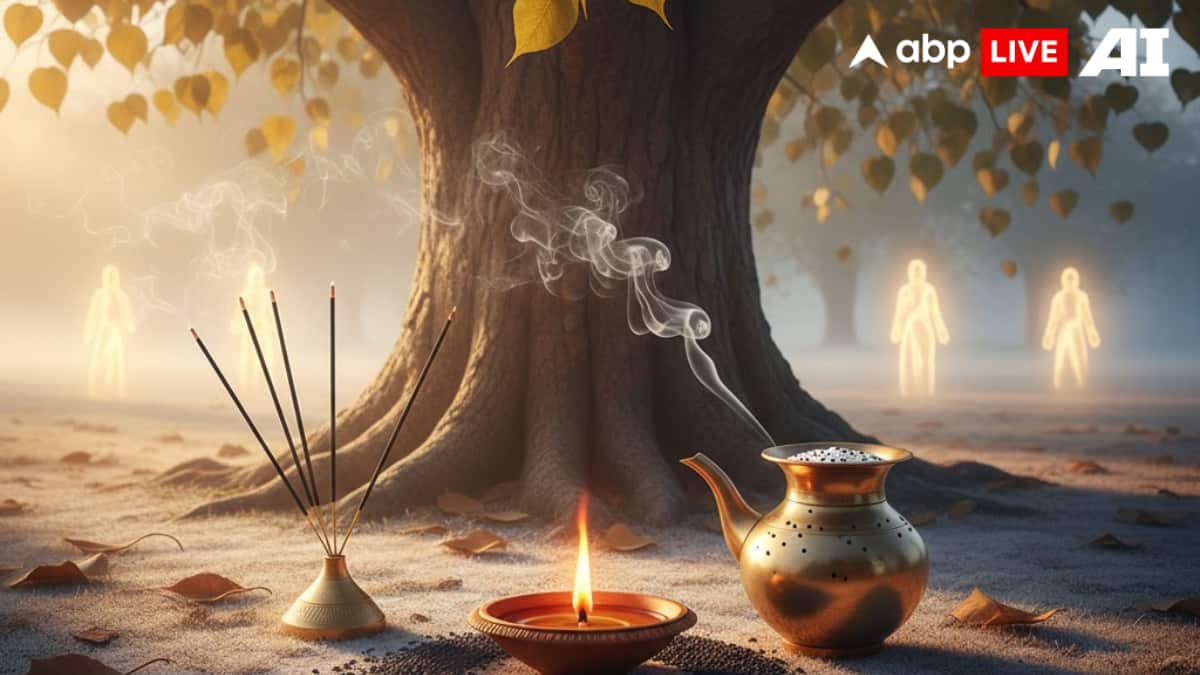
- Perform Daily Puja And Surya Arghya: After bathing early in the morning, offer water to the Sun from a copper vessel mixed with kumkum, flowers and rice. Chanting Om Suryaya Namah strengthens planetary harmony and brings good health and vitality.
- Engage In Charity And Service: Charity holds immense power in Kharmas. Donating with a pure heart is said to offer the merit of pilgrimage and holy baths. Items recommended for donation include food, warm clothes, blankets, ghee, lamps, flowers and puja essentials.
- Visit Temples And Holy Rivers: Bathing in sacred rivers and visiting temples during this period is believed to remove past obstacles and bring blessings for the future.
Why Auspicious Ceremonies Are Avoided
Sun and Jupiter hold great importance in Vedic astrology, both must be strong and stable for auspicious events like marriage. During Kharmas:
- Sun’s power weakens
- Jupiter’s influence reduces
- Planetary balance becomes unstable
This creates an unfavourable environment for life-changing rituals. To avoid negative outcomes, scriptures advise postponing ceremonies until Kharmas ends on Makar Sankranti.
The Mythological Story: Why Is It Called Kharmas?
A captivating myth explains the origin of Kharmas:
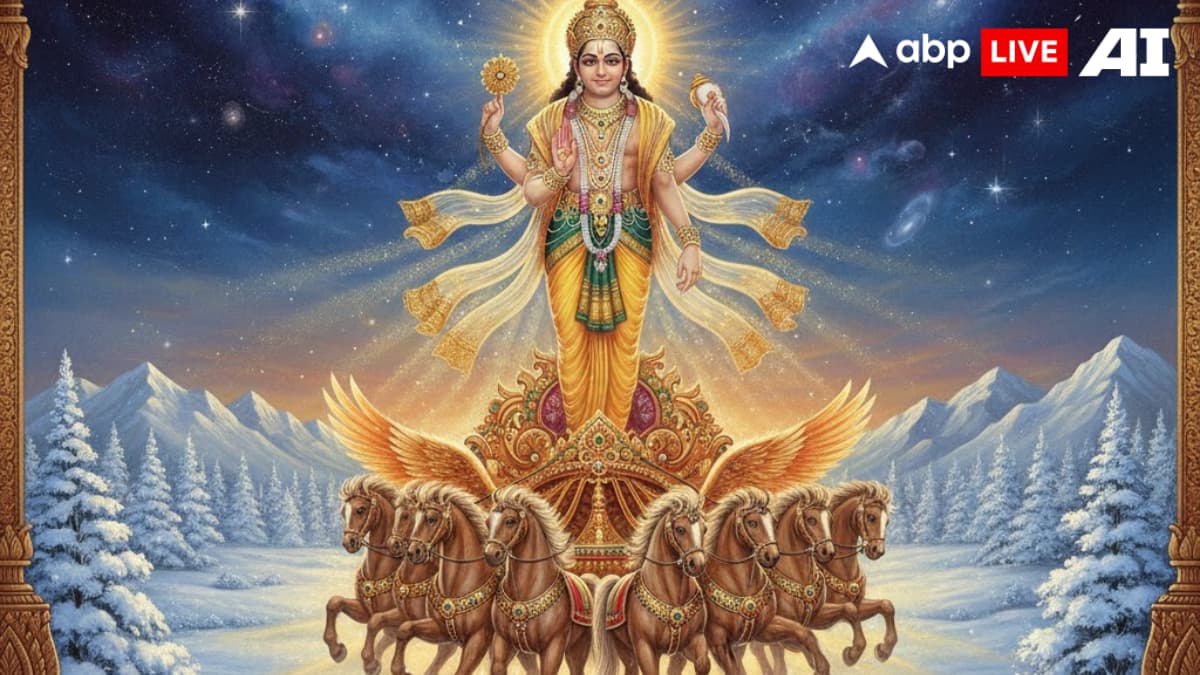
According to ancient texts, Surya Dev travels across the cosmos on a chariot pulled by seven divine horses. These horses never stop, and eventually, they grew tired. Seeing them exhausted, Surya Dev stopped near a lake so the horses could drink water and rest.
But he realised that if the chariot stopped moving entirely, the cosmic cycle would be disrupted. At that moment, two khars (donkeys) stood nearby. Surya Dev yoked them to the chariot temporarily.
The donkeys struggled to pull the celestial chariot, slowing its pace drastically. This sluggish movement of the Sun came to be known as Kharmas.
When the horses regained their strength, the Sun returned to his normal speed—and thus, every year, this sacred pause repeats itself.
When Does Kharmas End In 2025?
Kharmas 2025 ends on 14 January 2026, when the Sun enters Capricorn, marking the festival of Makar Sankranti. With this transition, auspicious rituals restart and the cosmic energy returns to harmony.
[Disclaimer: The content of this article is based solely on astrological predictions, and should be taken as general guidance. Individual experiences may vary. ABPLive.com does not assert the accuracy or validity of any claims or information presented. It is strongly recommended to consult a qualified expert before considering or implementing any information or belief discussed herein.]
Previous Article
Power as ‘currency’: Experts says data centre growth lifts demand; India poised for global leadership
Next Article
'Rona Aata Hai…': Usha Uthup’s Emotional Reaction IndiGo's Flight Cancellation Chaos