Welcome to DailyAdda News (“we”, “our”, “us”). By downloading, accessing, or using the DailyAdda News mobile app or website, you agree to the following Terms & Conditions. Please read them carefully.
🔹 1. Use of the App
DailyAdda News provides:
Bengali, Hindi & English news
RSS-based headlines
Short summaries
External links to publishers
Local updates, alerts & information
You agree:
To use the app legally
Not to misuse or interfere with its services
Not to copy, distribute or republish our summary content without permission
🔹 2. Content Sources & Copyright
DailyAdda News shows:
Headlines
Short rewritten summaries
Source credit
Link to original article
We do not claim ownership of original articles from external publishers.
You must access full articles on the publisher’s website. External content belongs to respective copyright holders.
🔹 3. User Conduct
You agree not to:
Harm or disrupt the app
Attempt unauthorized access
Upload harmful material
Scrape data or automate requests
Use the app for political manipulation or spreading misinformation
🔹 4. Third-Party Services
DailyAdda News uses:
External RSS feeds
Third-party news websites
Google AdMob
Analytics services
We are not responsible for:
Accuracy of external content
Availability of third-party websites
Their privacy policies or terms
🔹 5. Notifications
DailyAdda News may send:
Breaking news alerts
Job alerts
Local city updates
Weather warnings
You may disable notifications anytime in device settings.
🔹 6. No Guarantee of Accuracy
News is subject to change. We try to provide accurate updates but:
We do not guarantee 100% accuracy
We are not responsible for errors or delays
Users should verify important news directly from official sources
🔹 7. Advertisements
DailyAdda displays ads through:
Google AdMob
Other ad partners
We are not responsible for:
Content of ads
Actions taken on third-party ad pages
🔹 8. Limitation of Liability
DailyAdda News is not liable for:
Data loss
App downtime
Incorrect or outdated news
Third-party website actions
Financial, personal, or business loss caused by news content
Use the app at your own risk.
🔹 9. Changes to the Service
We may modify:
Features
Categories
App layout
Terms & Conditions
We can also suspend or discontinue parts of the service.
We use cookies to ensure you get the best experience on our website. By continuing to
use our site, you accept our use of cookies, Privacy Policies, and Terms of Service.
Our face often reveals more than we realise. According to Ayurveda, India's ancient holistic healing system, the skin acts as a mirror reflecting the state of our internal health. Ayurveda face mapping is a centuries-old diagnostic approach that connects specific areas of the face with different organs, doshas, and body systems. Today, this traditional wisdom is making a strong comeback as people seek natural ways to understand their bodies better.
Ayurveda face mapping, or Mukh Pariksha, is an ancient technique where practitioners examine the face to identify possible internal imbalances. Unlike modern dermatology that focuses mainly on the skin’s surface. Ayurveda believes that your face reflects the harmony or disharmony, of your doshas and internal organs. When the body struggles, the skin expresses these issues through visible signs like pigmentation, acne, dullness, premature wrinkles, or swelling.
This method is not meant to replace medical diagnosis but to help people understand their body’s signals early. It offers a natural, holistic way to identify patterns, adjust lifestyle choices, and support inner healing.
Forehead Zone: Linked To Digestion And The Nervous System
(Image Source: ABPLIVE AI)
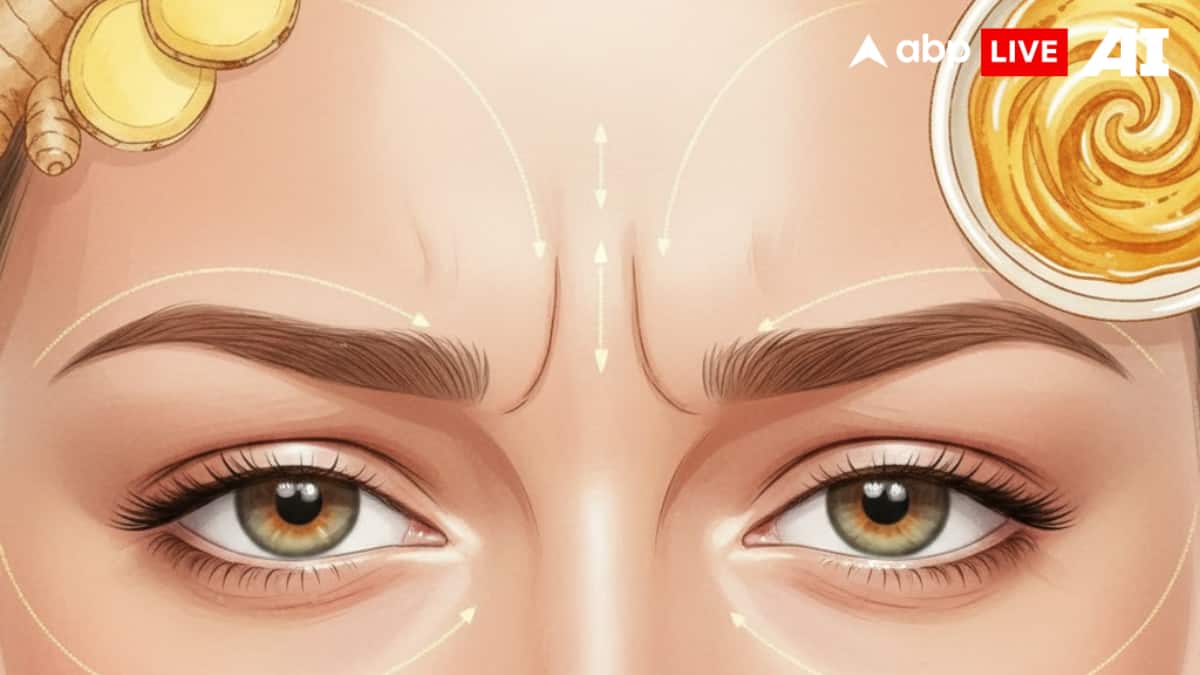
In Ayurveda, the forehead corresponds to the Vata dosha and reflects the health of your digestive system and nervous system. Issues like forehead acne, fine lines, dryness, or dullness may indicate stress, poor sleep, irregular meals, excessive screen time, or an overworked mind. Constipation, indigestion, and dehydration are also common contributors. Practices like drinking warm water, minimising caffeine, eating freshly cooked meals, massaging the forehead with warm oils, and improving sleep rhythms can help. If your forehead constantly feels tight or troubled, it may be your body’s way of asking for rest.
Between The Brows: Liver And Stress Indicators
(Image Source: ABPLIVE AI)
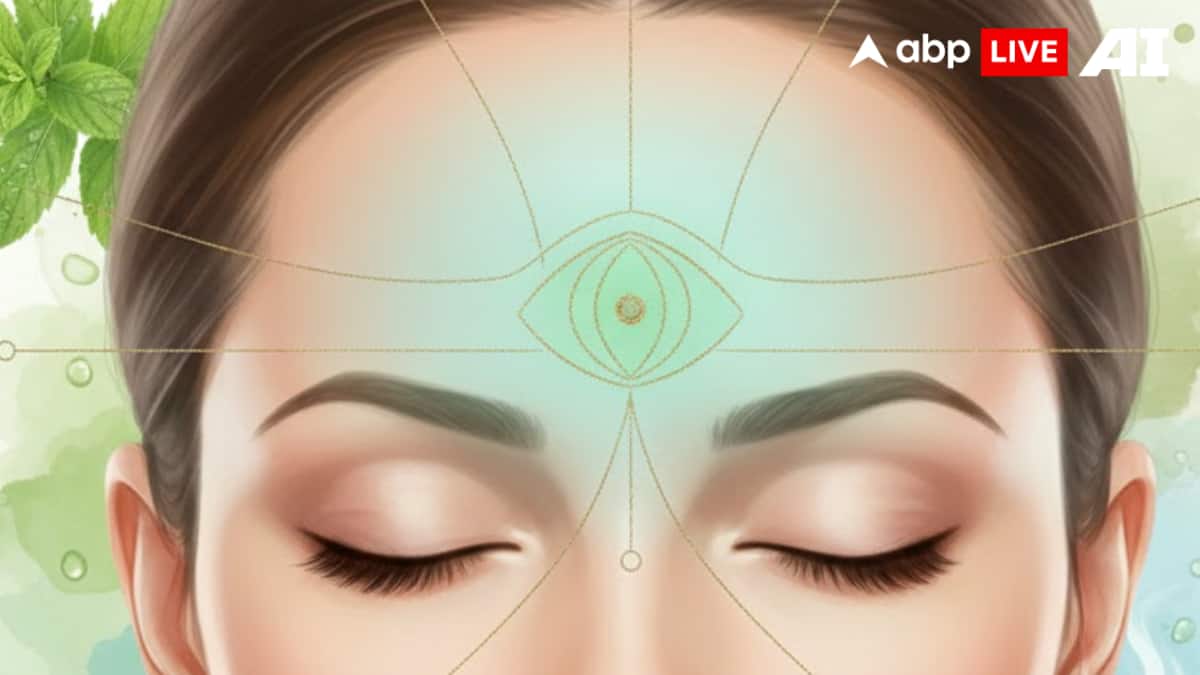
The space between the eyebrows is associated with Pitta dosha and represents the liver, emotional processing, and chronic stress levels. Breakouts or redness in this region may point to overheating in the body, excess alcohol, spicy foods, anger, frustration, or pent-up emotions. Since the liver plays a key role in detoxification, signs here often appear when the body is overloaded or struggling to process toxins efficiently. Ayurveda recommends cooling practices for this zone like, hydration, green vegetables, herbal teas, meditation, and avoiding excessive heat.
Cheeks: Lungs, Circulation, And Heat Imbalance
(Image Source: ABPLIVE AI)
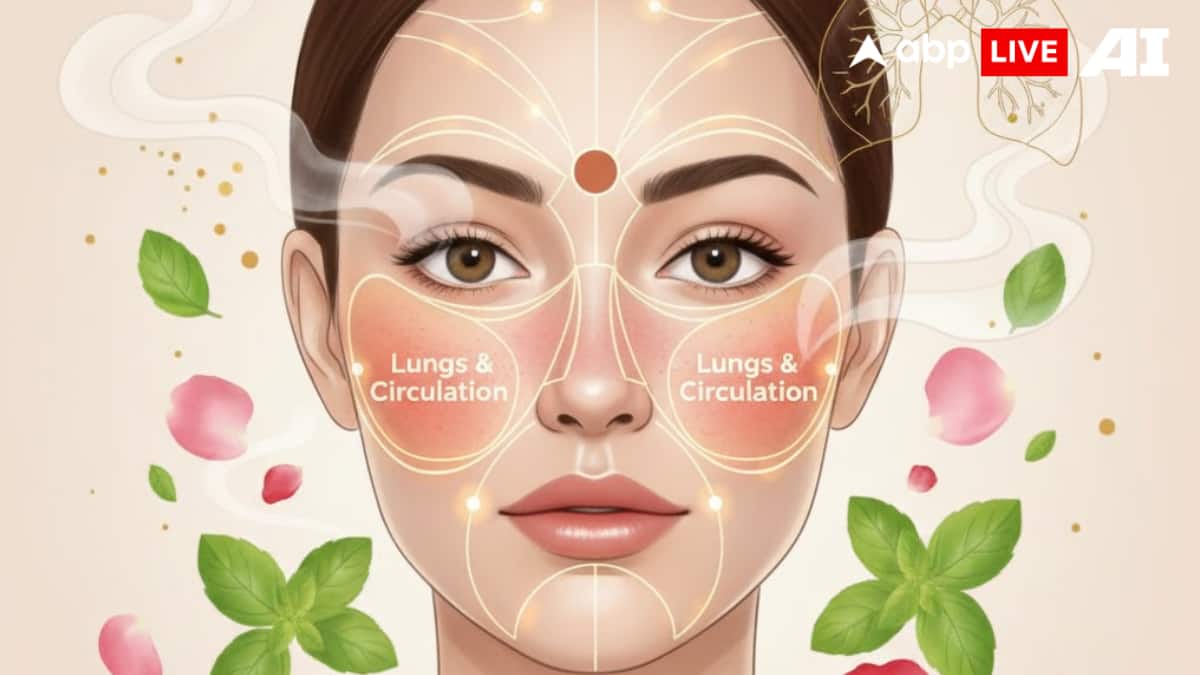
The cheeks are connected to the respiratory system, circulation, and Pitta–Kapha balance. Redness, pigmentation, puffiness, or frequent breakouts on the cheeks may signal poor air quality exposure, allergies, weak digestion, or an overheating body. Cheek puffiness is often linked to water retention or Kapha imbalance, while excessive redness hints at Pitta aggravation. Ayurveda recommends practices like pranayam, staying hydrated, limiting dairy during flare-ups, and choosing cooling, antioxidant-rich foods.
Nose Area: Heart Health And Circulation
(Image Source: ABPLIVE AI)
In Ayurveda, the nose reflects the heart and circulatory system. Blackheads, enlarged pores, or oiliness around the nose may indicate poor circulation, high stress, or sluggish metabolism. Redness around the nose could be a sign of internal heat or Pitta imbalance. Ayurvedic suggestions include incorporating heart-friendly foods like nuts, oats, and leafy greens, staying active, and practising calming breathwork. Supporting healthy blood flow often improves the appearance of this zone.
Mouth And Jawline: Hormones, Sleep, And Kapha Imbalance
(Image Source: ABPLIVE AI)
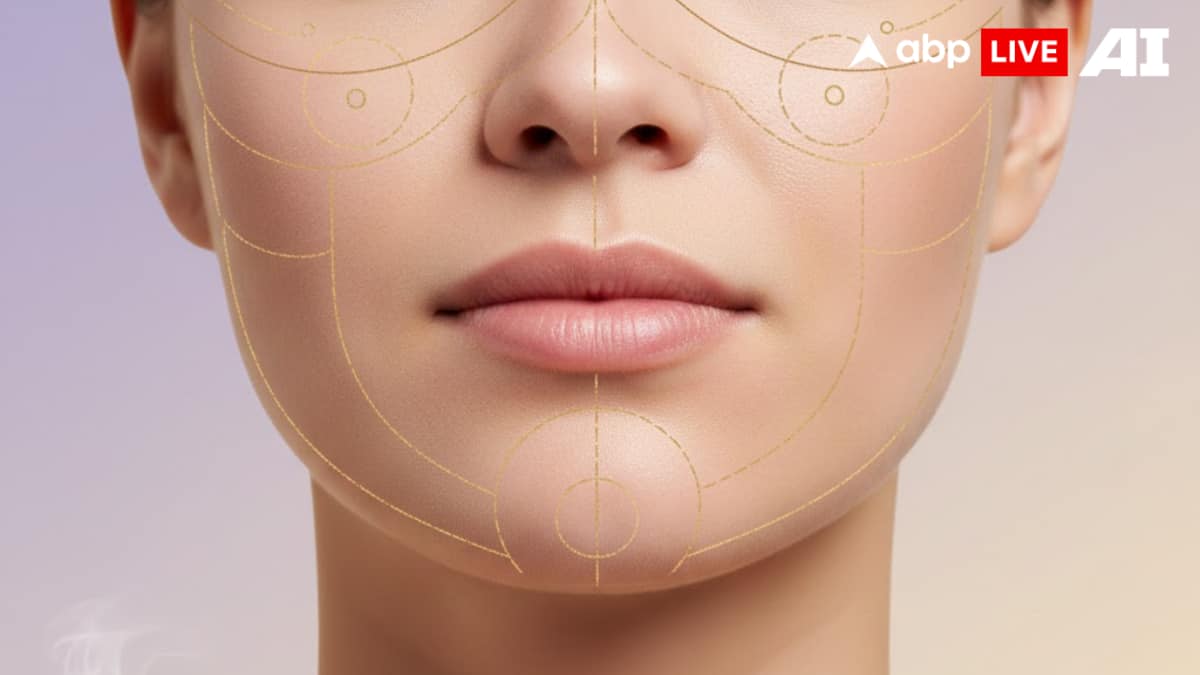
The mouth, chin, and jawline are closely tied to hormonal health, sleep patterns, and Kapha balance. Breakouts in this region, especially recurring chin acne, often point toward hormonal fluctuations, stress-related cortisol spikes, or poor sleep cycles. Jaw tension may also reflect emotional stress, suppressed feelings, or nighttime teeth grinding. Ayurvedic practices for this area include reducing refined sugars, maintaining consistent sleep routines, incorporating warm herbal teas, and balancing Kapha with movement and light foods. Women often notice this zone shifting during menstrual cycle changes, making it an essential facial area to observe.
Under-Eye Area: Kidneys, Fatigue, And Hydration Levels
(Image Source: ABPLIVE AI)
Dark circles, puffiness, or sunken eyes are commonly associated with Vata imbalance and the health of the kidneys. In Ayurveda, this zone is extremely sensitive and reveals hydration levels, energy reserves, and emotional strain. Lack of sleep, excessive salt, chronic stress, dehydration, and long hours of screen exposure all contribute to under-eye issues. Ayurveda recommends warm oil massages, proper water intake, cooling foods like cucumbers and coriander, and grounding practices to restore vitality.
[Disclaimer: The information provided in the article is intended for general informational purposes only. It is not a substitute for professional medical advice, diagnosis, or treatment. Always seek the advice of your physician or other qualified healthcare provider with any questions you may have regarding a medical condition.]