Welcome to DailyAdda News (“we”, “our”, “us”). By downloading, accessing, or using the DailyAdda News mobile app or website, you agree to the following Terms & Conditions. Please read them carefully.
🔹 1. Use of the App
DailyAdda News provides:
Bengali, Hindi & English news
RSS-based headlines
Short summaries
External links to publishers
Local updates, alerts & information
You agree:
To use the app legally
Not to misuse or interfere with its services
Not to copy, distribute or republish our summary content without permission
🔹 2. Content Sources & Copyright
DailyAdda News shows:
Headlines
Short rewritten summaries
Source credit
Link to original article
We do not claim ownership of original articles from external publishers.
You must access full articles on the publisher’s website. External content belongs to respective copyright holders.
🔹 3. User Conduct
You agree not to:
Harm or disrupt the app
Attempt unauthorized access
Upload harmful material
Scrape data or automate requests
Use the app for political manipulation or spreading misinformation
🔹 4. Third-Party Services
DailyAdda News uses:
External RSS feeds
Third-party news websites
Google AdMob
Analytics services
We are not responsible for:
Accuracy of external content
Availability of third-party websites
Their privacy policies or terms
🔹 5. Notifications
DailyAdda News may send:
Breaking news alerts
Job alerts
Local city updates
Weather warnings
You may disable notifications anytime in device settings.
🔹 6. No Guarantee of Accuracy
News is subject to change. We try to provide accurate updates but:
We do not guarantee 100% accuracy
We are not responsible for errors or delays
Users should verify important news directly from official sources
🔹 7. Advertisements
DailyAdda displays ads through:
Google AdMob
Other ad partners
We are not responsible for:
Content of ads
Actions taken on third-party ad pages
🔹 8. Limitation of Liability
DailyAdda News is not liable for:
Data loss
App downtime
Incorrect or outdated news
Third-party website actions
Financial, personal, or business loss caused by news content
Use the app at your own risk.
🔹 9. Changes to the Service
We may modify:
Features
Categories
App layout
Terms & Conditions
We can also suspend or discontinue parts of the service.
We use cookies to ensure you get the best experience on our website. By continuing to
use our site, you accept our use of cookies, Privacy Policies, and Terms of Service.
Most people assume eye problems arise from diseases, but surprisingly, many stem from everyday habits that seem harmless on the surface. According to Dr. (Lt. Col.) Abhinav Singh, Senior Consultant at Sharp Sight Eye Hospitals, “the most preventable eye conditions stem not from disease, but from unusual habits and self-treatments done without any medical recommendation.”
What feels like a quick fix or harmless routine can, over time, lead to infections, corneal damage, and even permanent vision loss.
From homemade saline solutions to bizarre cleaning hacks, people often turn to kitchen remedies without realising the danger.
Dr Singh recalls how patients frequently flush their eyes with self-made mixtures, warning that “these non-sterile solutions introduce contaminants, and the incorrect salt concentration leads to corneal oedema and irritation.”
One of the most alarming practices he has encountered involves using lemon juice to clean contact lenses. As he explains, “this can result in a chemical burn requiring intensive treatment.” What seems “natural” can actually cause the exact opposite effect, severe damage to the ocular surface.
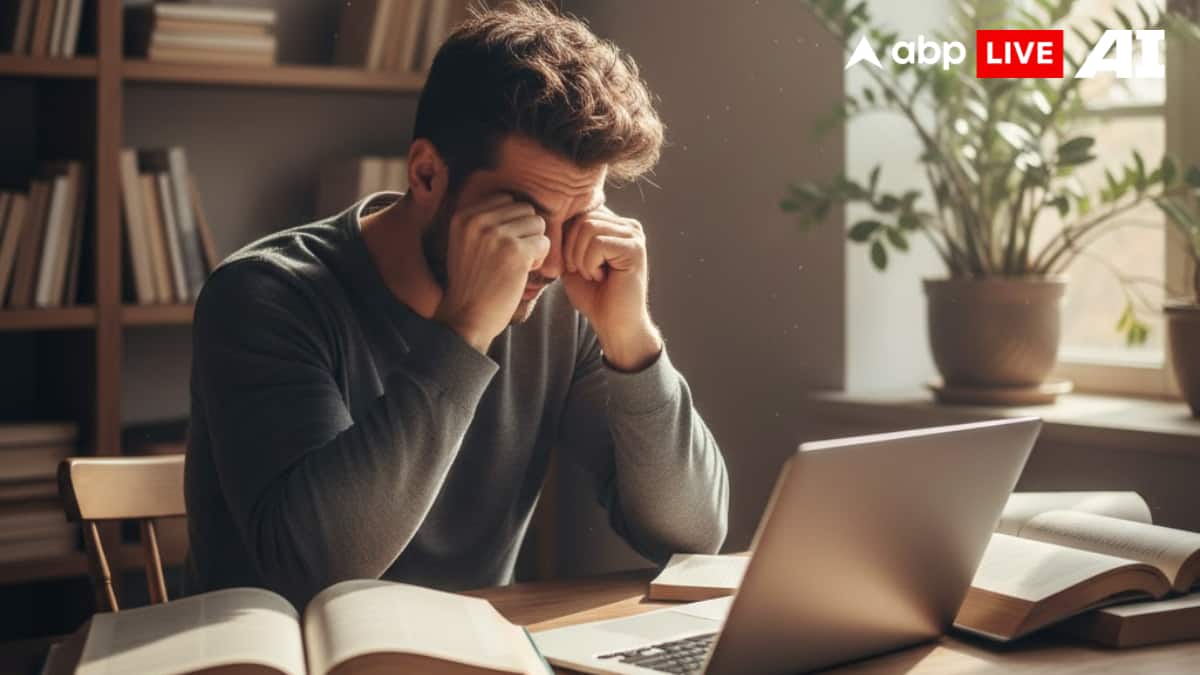
Why Rubbing Eyes Is More Dangerous Than You Think
(Image Source: ABPLIVE AI)
Rubbing your eyes may feel comforting, but the impact is far from harmless.
Dr Singh notes that "excessive and repeated rubbing creates stress on the cornea" nd can gradually weaken the stromal collagen. Over time, this may contribute to corneal ectasia and even keratoconus, a progressive condition that distorts vision.
Harsh rubbing also transfers microbes from fingertips to the ocular surface and can worsen dryness. In some cases, Dr Singh says, it can “accelerate structural changes in corneal curvature” and increase the risk of subconjunctival haemorrhages.
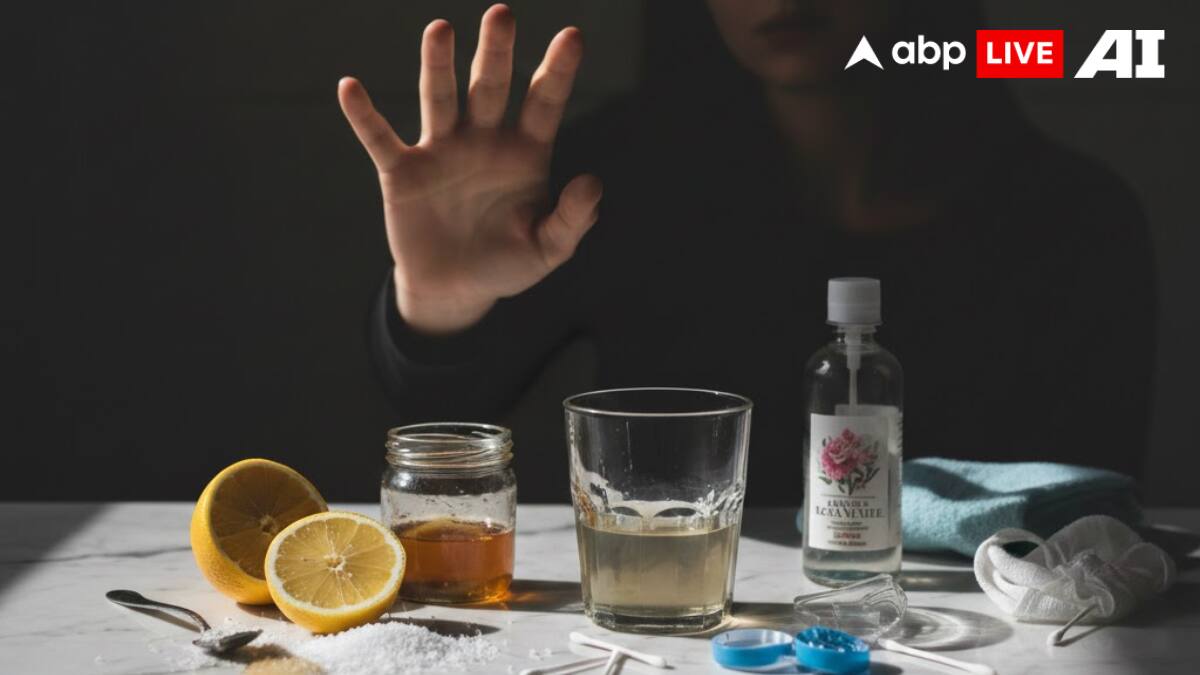
The Hidden Dangers Of Home Remedies Like Rose Water, Honey, And Coconut Oil
(Image Source: ABPLIVE AI)
Many people instinctively turn to household ingredients for eye issues, but the risks are far greater than the perceived benefits.
“These products do not possess sterility and have fluctuating pH levels,” Dr Singh explains. Substances like honey may contain harmful spores, while coconut oil and aloe vera can worsen inflammation of the meibomian glands.
Even rose water, commonly assumed to be soothing, can “cause allergic conjunctivitis or increase the risk of infection” when diluted or unregulated. The eye can only tolerate sterile, ophthalmic-grade formulations, he emphasises.
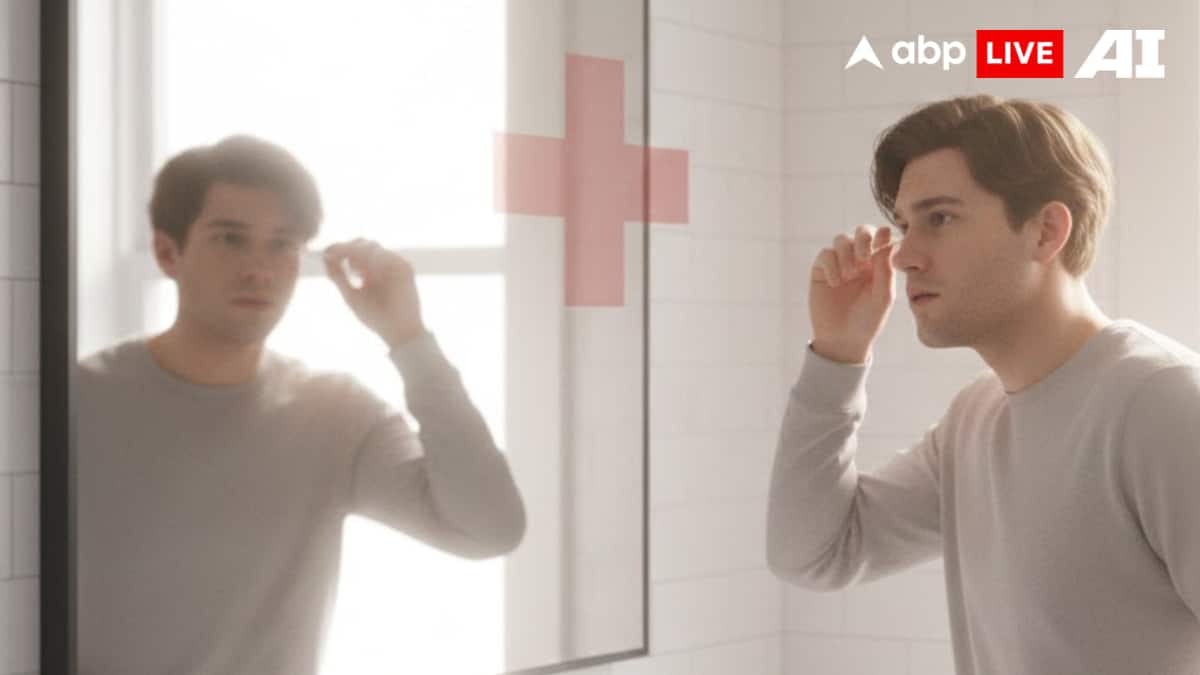
Why You Should Never Use Earbuds Or Tissues To Remove Debris
(Image Source: ABPLIVE AI)
When something falls into the eye, the instinct is to remove it quickly, but reaching for earbuds or tissues makes the situation worse.
“Using earbuds or tissues can create corneal scratches,” Dr Singh stresses. These scratches act as open gateways for microorganisms, leading to potentially sight-threatening ulcers.
Tissues leave tiny microfibres behind, while earbuds push debris deeper. The correct response, he advises, is simple. Just rinse the eye with sterile saline or seek professional assistance using proper magnification and instruments.
Is Applying Kajal On The Waterline Safe?
(Image Source: ABPLIVE AI)
For many, applying kajal on the waterline is a daily beauty ritual. But the long-term impact is rarely discussed.
Dr Singh warns that cosmetics placed directly on the waterline “can block the meibomian gland openings,” disrupting the lipid layer of the tear film and causing eyelid inflammation.
He also highlights that non-regulated kajal products may contain heavy metals such as lead and antimony, increasing risk further. Using ophthalmically tested products, and avoiding application on the waterline, helps maintain healthy tear film and eyelid hygiene.
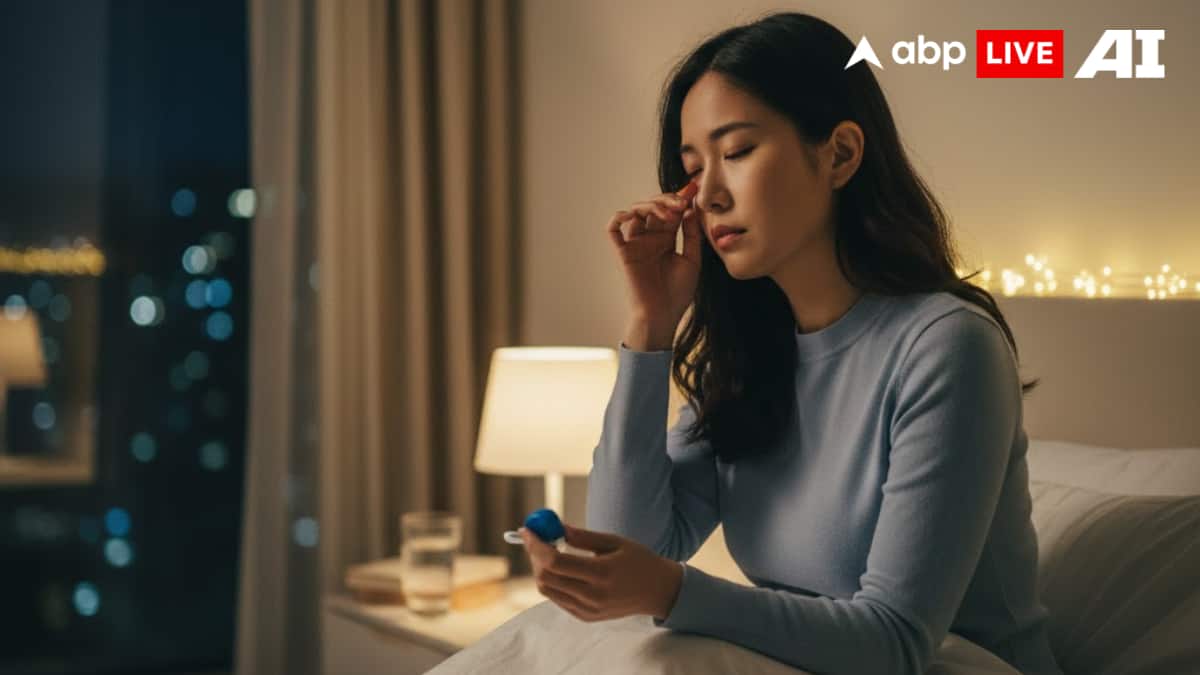
The Hidden Risk Of Sleeping With Contact Lenses
(Image Source: ABPLIVE AI)
Sleeping with contact lenses is one of the most widespread yet dangerous habits. Dr Singh warns that overnight lens wear "elevates the risk of microbial keratitis” because closed eyes reduce oxygen permeability and create a warm, dark environment ideal for bacterial growth.
Even lenses designed for extended wear pose risk, he says, as “corneal ulcers may develop rapidly within 24 to 48 hours and can cause permanent vision loss.” A few hours of comfort is never worth the potential consequence.
The Three Eye Habits He Wishes Everyone Would Stop Immediately
If it were up to him, Dr Singh would ban three vision-threatening habits altogether:
Sleeping with contact lenses
Relying on unverified home remedies
Aggressively rubbing the eyes
These actions, he says, “can lead to substantial preventable issues affecting the cornea and conjunctiva.”
[Disclaimer: The information provided in the article is shared by experts and is intended for general informational purposes only. It is not a substitute for professional medical advice, diagnosis, or treatment. Always seek the advice of your physician or other qualified healthcare provider with any questions you may have regarding a medical condition.]