
Search

    Language Settings
    Select Website Language

    GDPR Compliance

    We use cookies to ensure you get the best experience on our website. By continuing to use our site, you accept our use of cookies, Privacy Policy, and Terms of Service.

    dailyadda
    dailyadda

    Magh Gupt Navratri 2026: Check Out The Date, Muhurat, Significance, Puja Rituals, And More

    9 hours ago

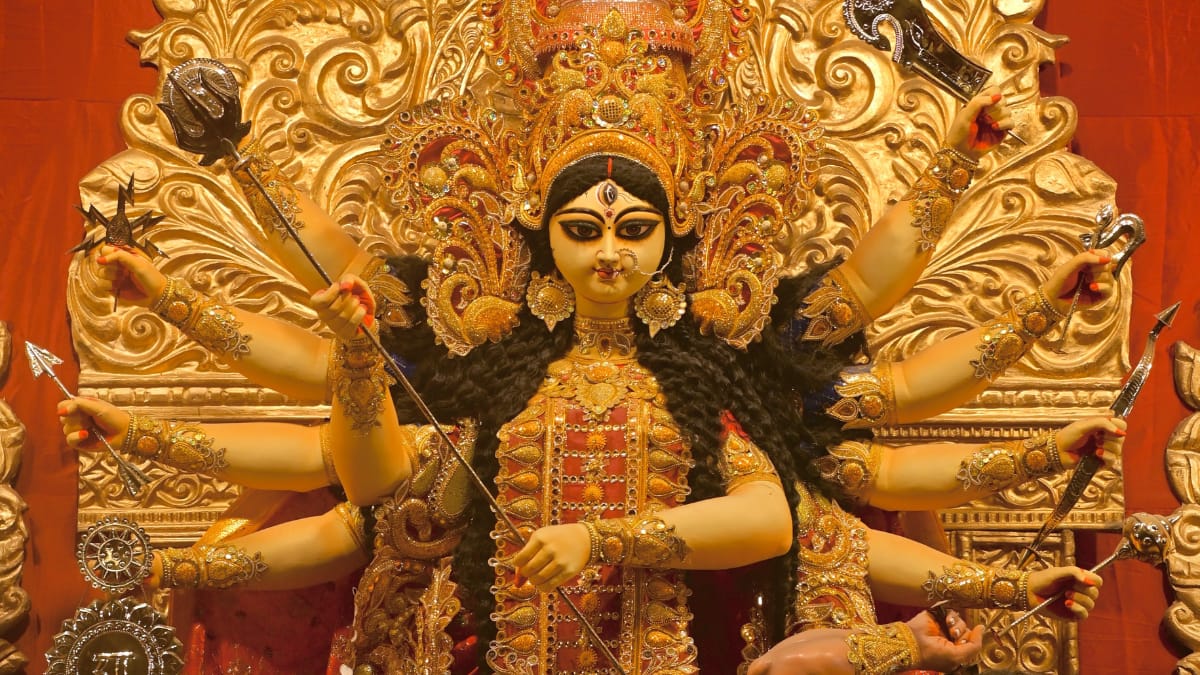
    In Hinduism, Navratri holds special spiritual significance. This nine-day festival is dedicated to the worship of Shakti (divine feminine energy). According to the Hindu calendar, Navratri is observed four times a year. Apart from Chaitra and Sharadiya Navratri, there are two Gupt (secret) Navratris.

    As per the Panchang, the first Gupt Navratri falls in the month of Magh and the second in Ashadha. During Gupt Navratri, along with the nine forms of Goddess Durga, the ten Mahavidyas of Goddess Bhagwati Durga are worshipped in secrecy.

    ALSO READ: Shivratri–Pradosh Vrat 2026: Rare Shiv Yog Today, Breaking These 4 Rules May Invite Trouble

    When Is Magh Gupt Navratri?

    Gupt Navratri is observed from Pratipada to Navami of the Shukla Paksha of Magh month. According to the Panchang, Magh Gupt Navratri will begin on January 19, 2026, and conclude on January 27, 2026.

    This Gupt Navratri will begin with the auspicious Sarvartha Siddhi Yoga, and on the concluding day, January 27, Sarvartha Siddhi Yoga along with Ravi Yoga will again be formed. A key highlight is that during these nine days, auspicious and ceremonial activities can be performed, which were earlier restricted due to the setting of Venus. Activities undertaken during this period are believed to be fruitful.

    During these nine days, the ten Mahavidyas; Goddess Kali, Tara, Tripura Sundari, Bhuvaneshwari, Chhinnamasta, Tripura Bhairavi, Dhumavati, Baglamukhi, Matangi and Kamala, are worshipped secretly.

    Significance Of Gupt Navratri

    Gupt Navratri is considered highly significant for secret spiritual practices, Shakti sadhana and tantric attainments. Devotees worship Goddess Durga discreetly for nine days, focusing on inner spiritual growth and siddhi (spiritual accomplishment).

    There are four Navratris in a year, two Gupt Navratris (Magh and Ashadha) and two Prakat Navratris (Chaitra and Sharadiya). The Devi Bhagwat Purana mentions all four Navratris as important periods for the worship of Goddess Durga.

    Magh Gupt Navratri Tithi Details

    • Pratipada begins: January 19, 2026 (Monday) at 1:21 am
    • Pratipada ends: January 20, 2026 (Tuesday) at 2:14 am
    • According to Udaya Tithi: Gupt Navratri will be observed from January 19, 2026

    Ghatasthapana (Kalash Sthapana) Muhurat

    • Ghatasthapana Muhurat: 7:14 am to 10:46 am
    • Abhijit Muhurat: 12:11 pm to 12:53 pm

    Auspicious Yogas During Navratri

    According to the experts, Gupt Navratri will begin on January 19 under Uttarashada Nakshatra, Vajra Yoga, and the Moon in Capricorn sign. During the midday Abhijit Muhurat, Sarvartha Siddhi Yoga will be formed.

    Sarvartha Siddhi Yoga is believed to ensure success in auspicious works. Spiritual practices initiated during this yoga are said to yield quick and positive results.

    This year, the nine days of Gupt Navratri will witness two Sarvartha Siddhi Yogas and four Ravi Yogas, making it especially auspicious for spiritual seekers.

    Daily Yogas:

    • January 19: Kumar Yoga, Sarvartha Siddhi
    • January 20: Dwipushkar Yoga, Raj Yoga
    • January 21: Raj Yoga, Ravi Yoga
    • January 22: Ravi Yoga
    • January 23: Kumar Yoga, Ravi Yoga
    • January 24: Ravi Yoga
    • January 25: Ravi Yoga, Sarvartha Siddhi
    • January 27: Sarvartha Siddhi Yoga

    Sadhana During Gupt Navratri

    While Prakat Navratri focuses on the maternal form of the Goddess, Gupt Navratri emphasises worship of Durga as supreme Shakti. The rituals and sadhana are performed secretly, which is why it is called “Gupt.”

    It is believed that the Goddess is pleased quickly by sincere and confidential worship during this period and grants desired results. The greater the secrecy and discipline in the practice, the faster the spiritual benefits.

    Devotees perform mantra chanting, Durga Saptashati recitation, and havan. Those uncomfortable with elaborate rituals can take a nine-day vow of mantra chanting, Ram Raksha Stotra, or Devi Bhagwat recitation. Lighting an uninterrupted lamp (Akhand Jyot) during this period is considered highly auspicious.

    Puja Samagri

    Commonly used items include an idol or picture of Goddess Durga, vermilion, saffron, camphor, barley, incense, red flowers, mango leaf toran, bangles, mirror, comb, fragrant oil, turmeric, kumkum, sacred thread, betel nut, coconut, kalash (earthen or brass), ghee lamp, havan materials, fruits, milk, curd, honey, sugar, dry fruits, Gangajal and white clothes, among others.

    How To Perform The Puja

    During Gupt Navratri, tantric practitioners and aghoris often worship Goddess Durga at midnight. The idol or image of the Goddess is adorned with red vermilion and a red chunari with golden borders. Red flowers are offered, and a lamp is lit using mustard oil. Devotees chant the mantra "Om Dum Durgaye Namah" while offering prayers at the Goddess’s feet.

    [Disclaimer: The content of this article is based solely on astrological predictions, and should be taken as general guidance. Individual experiences may vary. ABPLive.com does not assert the accuracy or validity of any claims or information presented. It is strongly recommended to consult a qualified expert before considering or implementing any information or belief discussed herein.]

    Click here to Read More
    Previous Article
    From Ceremony To Celebration: How Versatile Bridal Outfits Are Redefining Indian Wedding Wardrobes
    Next Article
    ABP Live Budget Traveller | How To Explore Jodhpur Under ₹8,000 Without Missing The Royal Charm

    Related Lifestyle Updates:

    Are you sure? You want to delete this comment..! Remove Cancel

    Comments (0)

      Leave a comment