Welcome to DailyAdda News (“we”, “our”, “us”). By downloading, accessing, or using the DailyAdda News mobile app or website, you agree to the following Terms & Conditions. Please read them carefully.
🔹 1. Use of the App
DailyAdda News provides:
Bengali, Hindi & English news
RSS-based headlines
Short summaries
External links to publishers
Local updates, alerts & information
You agree:
To use the app legally
Not to misuse or interfere with its services
Not to copy, distribute or republish our summary content without permission
🔹 2. Content Sources & Copyright
DailyAdda News shows:
Headlines
Short rewritten summaries
Source credit
Link to original article
We do not claim ownership of original articles from external publishers.
You must access full articles on the publisher’s website. External content belongs to respective copyright holders.
🔹 3. User Conduct
You agree not to:
Harm or disrupt the app
Attempt unauthorized access
Upload harmful material
Scrape data or automate requests
Use the app for political manipulation or spreading misinformation
🔹 4. Third-Party Services
DailyAdda News uses:
External RSS feeds
Third-party news websites
Google AdMob
Analytics services
We are not responsible for:
Accuracy of external content
Availability of third-party websites
Their privacy policies or terms
🔹 5. Notifications
DailyAdda News may send:
Breaking news alerts
Job alerts
Local city updates
Weather warnings
You may disable notifications anytime in device settings.
🔹 6. No Guarantee of Accuracy
News is subject to change. We try to provide accurate updates but:
We do not guarantee 100% accuracy
We are not responsible for errors or delays
Users should verify important news directly from official sources
🔹 7. Advertisements
DailyAdda displays ads through:
Google AdMob
Other ad partners
We are not responsible for:
Content of ads
Actions taken on third-party ad pages
🔹 8. Limitation of Liability
DailyAdda News is not liable for:
Data loss
App downtime
Incorrect or outdated news
Third-party website actions
Financial, personal, or business loss caused by news content
Use the app at your own risk.
🔹 9. Changes to the Service
We may modify:
Features
Categories
App layout
Terms & Conditions
We can also suspend or discontinue parts of the service.
We use cookies to ensure you get the best experience on our website. By continuing to use our site, you accept our use of cookies,
Privacy Policy,
and
Terms of Service.
Dehydration in pets is far more dangerous than most pet parents realise. Unlike humans, dogs, and cats cannot tell us when they feel dizzy, weak, or unwell due to lack of water. By the time visible symptoms appear, dehydration may already be affecting vital organs like the kidneys, liver, and heart. From scorching summers to subtle daily habits, dehydration can creep in silently, putting your furry companion at serious risk.
This is an essential guide to the 8 most important warning signs of dehydration in pets, signals that should never be ignored. Recognising these signs early can make the difference between quick recovery and a medical emergency.
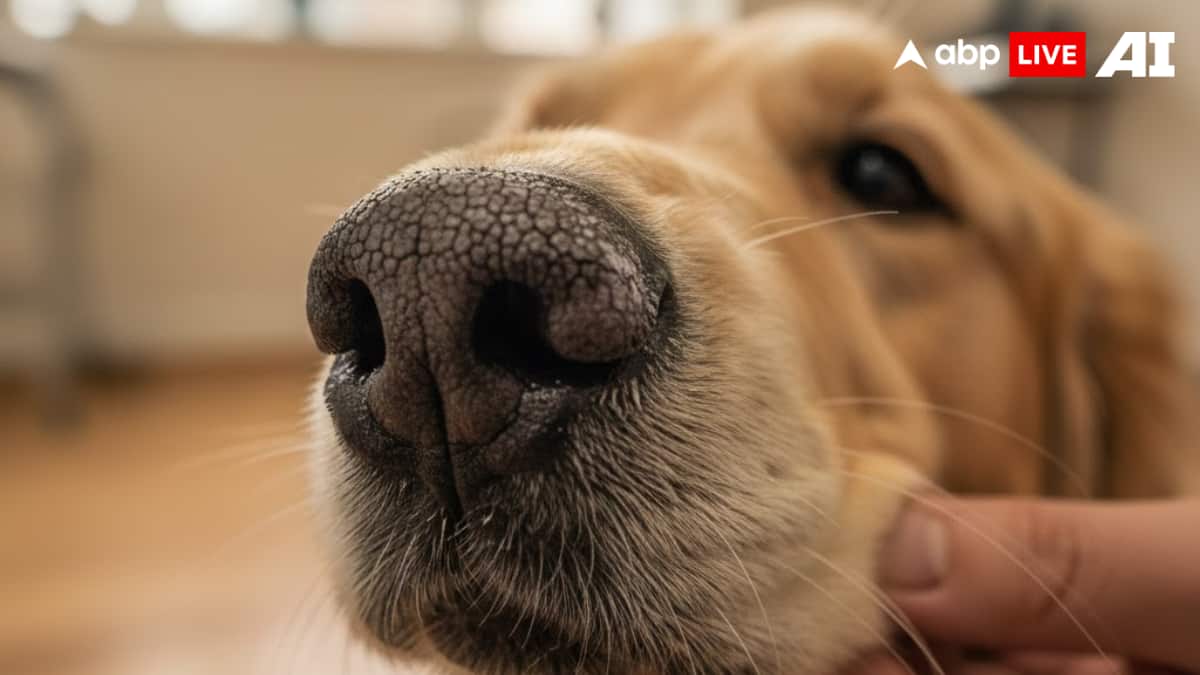
One of the earliest and most telling signs of dehydration in pets is dryness around the nose and gums. A healthy dog or cat typically has moist, slightly slippery gums that appear pink and fresh. Dehydration reduces saliva production, which directly affects gum hydration. Over time, this dryness can make chewing uncomfortable and increase the risk of oral infections. If your pet’s gums feel tacky to the touch or their nose looks cracked or unusually dry for prolonged periods, it’s time to increase fluid intake and consult a vet immediately.
2. Sunken Eyes And Dull Facial Expression
(Image Source: ABPLIVE AI)
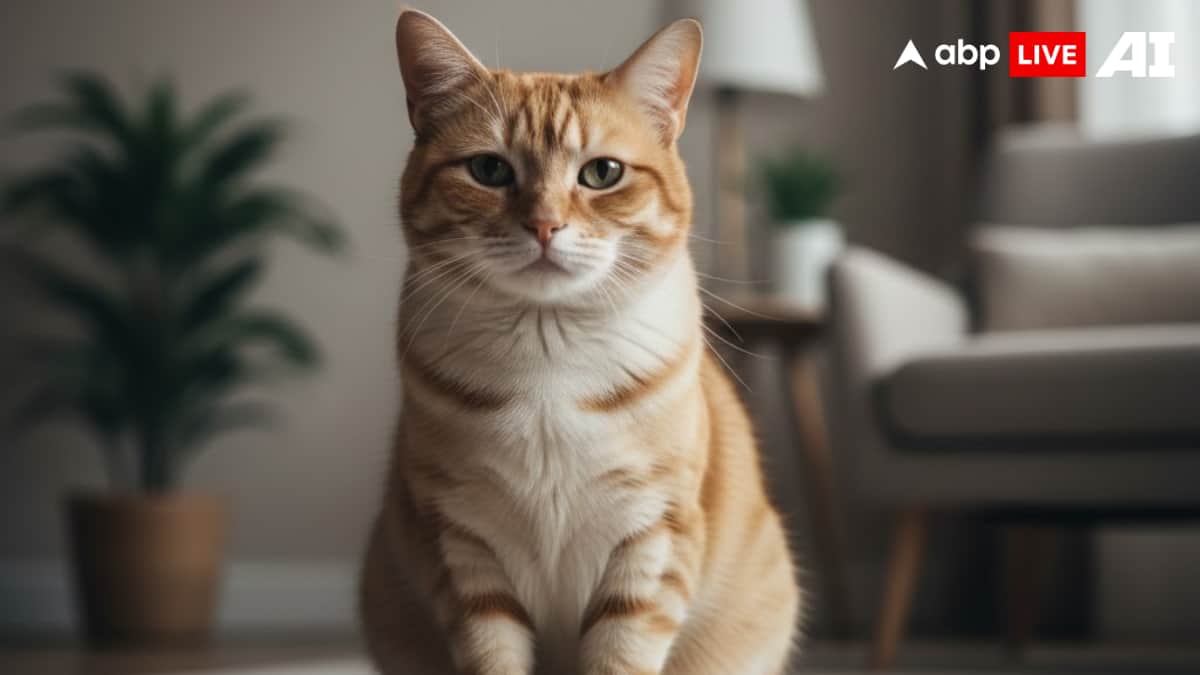
Sunken eyes are a subtle yet alarming sign that dehydration has reached a concerning stage. When a pet’s body lacks fluids, it begins pulling moisture from tissues, including those around the eyes. This causes the eyes to appear recessed, dull, or lifeless. In healthy pets, eyes look bright, alert, and well-hydrated. Dehydration strips away that natural shine, making pets look tired or unwell even when resting. Cats are particularly good at hiding discomfort, so sunken eyes may be one of the few visible clues. This symptom often appears alongside weakness or appetite loss. If your pet’s eyes look noticeably different or less expressive than usual, dehydration may already be affecting internal balance.
3. Excessive Panting Or Rapid Breathing
(Image Source: ABPLIVE AI)
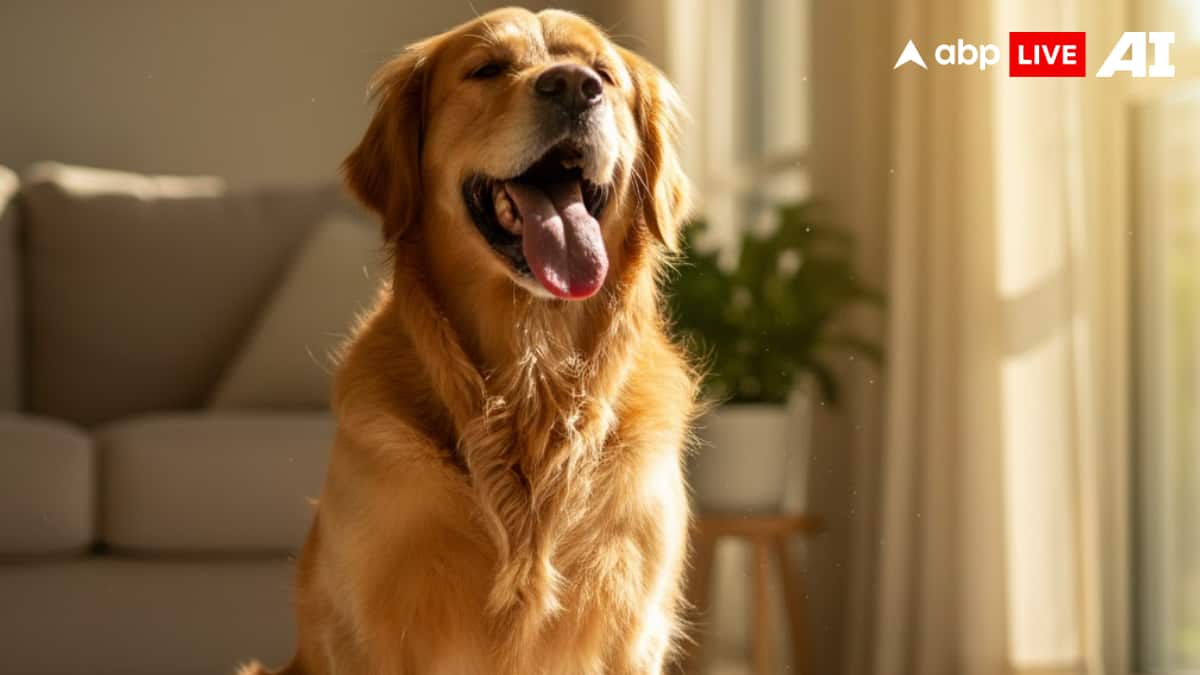
Panting is a natural cooling mechanism for dogs, but excessive or unexplained panting can signal dehydration. When the body lacks enough water, it struggles to regulate temperature, forcing pets to breathe faster to compensate. This rapid breathing accelerates fluid loss, creating a dangerous cycle. Cats, who rarely pant, should raise immediate concern if they do. Dehydration thickens the blood, making circulation less efficient and increasing breathing effort. Pets may also drool excessively during these episodes.
4. Loss Of SKin Elasticity
(Image Source: ABPLIVE AI)
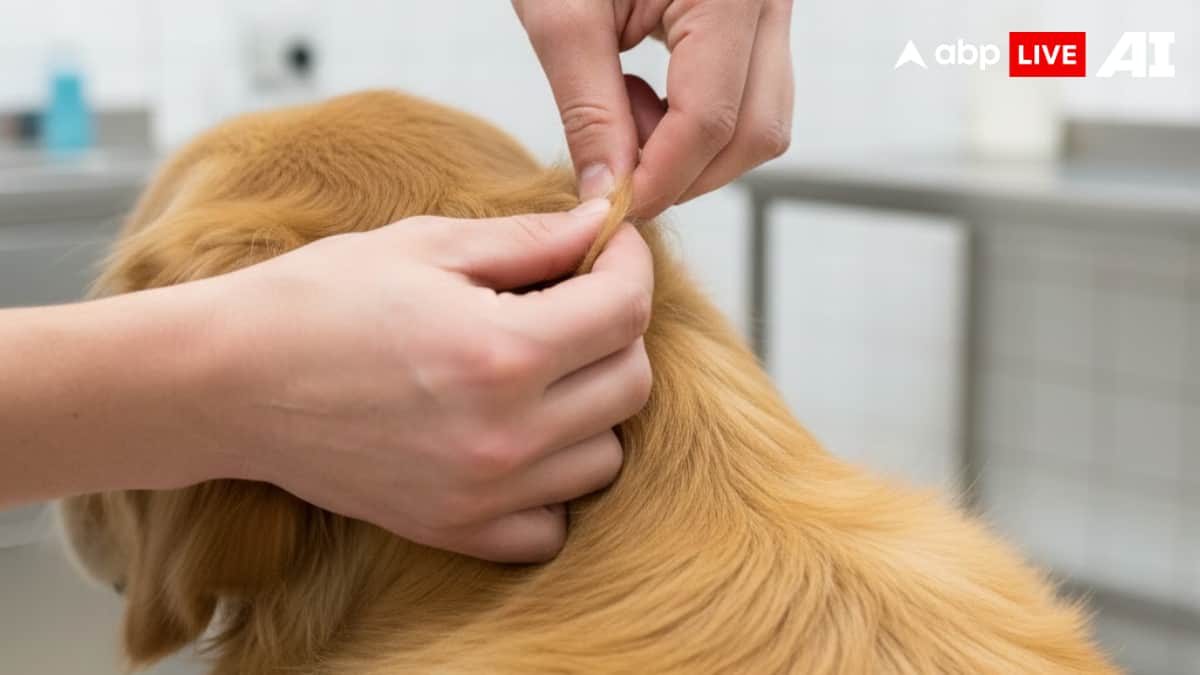
A simple yet powerful way to detect dehydration is the skin elasticity test. Gently pinch the loose skin between your pet’s shoulder blades and release it. In a hydrated pet, the skin snaps back instantly. In a dehydrated one, it returns slowly or stays raised momentarily. This happens because dehydration reduces elasticity in skin tissues. While age can slightly affect this response, a delayed return is often a sign of moderate to severe dehydration. This test is especially useful during hot weather, travel, or illness.
5. Lethargy Or Sudden Drop In Energy Levels
(Image Source: ABPLIVE AI)
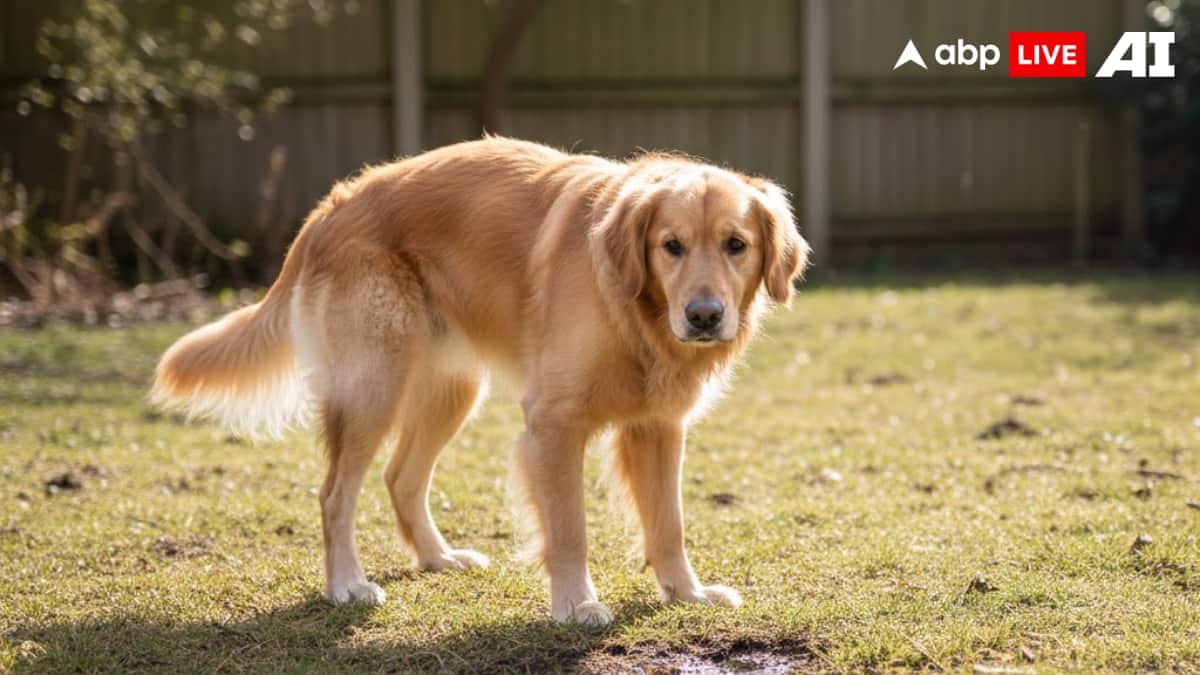
Dehydration directly impacts blood circulation and oxygen delivery to muscles and organs. As a result, pets often appear unusually tired, sluggish, or uninterested in activities they normally enjoy. A playful dog may refuse walks, while a curious cat may sleep excessively or hide. This fatigue is not laziness, it’s the body conserving energy due to insufficient fluids. Even mild dehydration can cause weakness, confusion, and delayed reflexes. If your pet suddenly lacks enthusiasm without any obvious reason, dehydration could be silently draining their strength.
6. Loss Of Appetite Or Difficulty Eating
(Image Source: ABPLIVE AI)
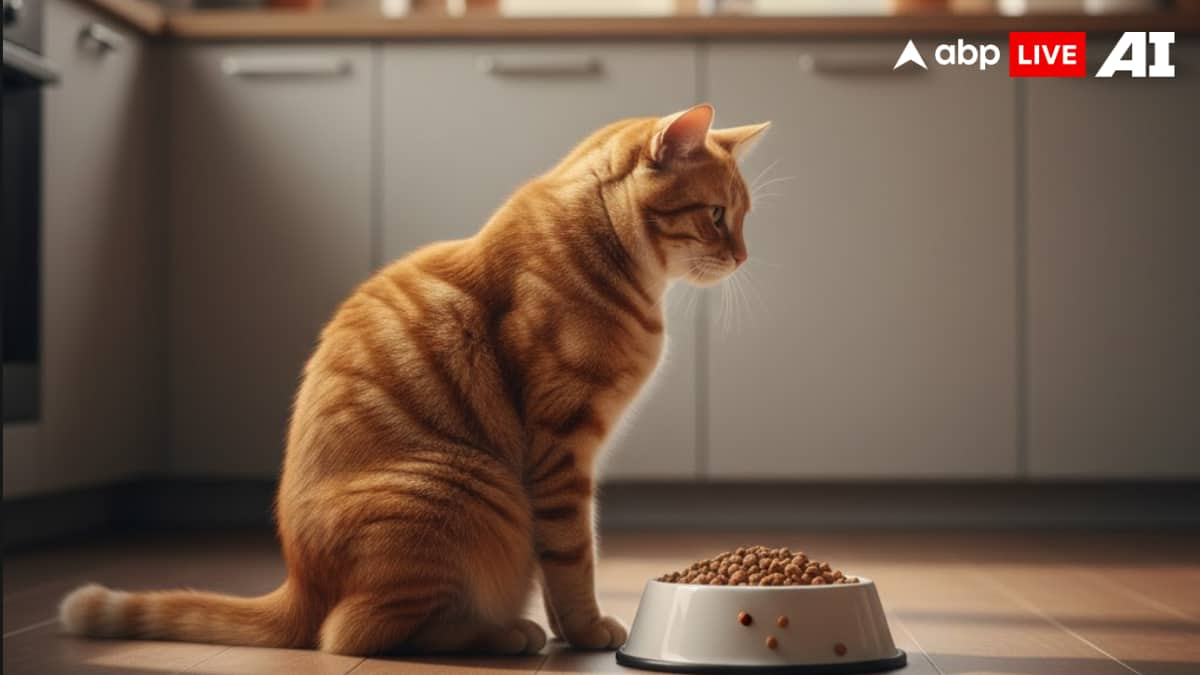
Water plays a crucial role in digestion, saliva production, and nutrient absorption. When pets are dehydrated, their mouths feel dry, swallowing becomes uncomfortable, and food loses appeal. You may notice your pet sniffing food but walking away, or chewing slowly with visible discomfort. Dehydration also slows digestion, causing nausea or stomach upset. Over time, appetite loss worsens dehydration, creating a dangerous downward spiral. If your pet refuses meals for more than a day, especially in hot weather, dehydration should be considered a possible cause.
7. Dark-Coloured Or Reduced Urination
(Image Source: ABPLIVE AI)
Healthy hydration results in light-coloured urine and regular urination. Dehydrated pets produce darker, more concentrated urine and urinate less frequently. This is the body’s way of conserving fluids. However, reduced urination puts immense strain on the kidneys and increases the risk of urinary infections and kidney failure. Cats using litter boxes less often or dogs skipping bathroom breaks are major warning signs. Always monitor urine colour and frequency, especially during heatwaves or illness.
8. Vomiting Or Diarrhoea That Worsens Quickly
(Image Source: ABPLIVE AI)
Vomiting and diarrhoea both cause rapid fluid loss, making dehydration escalate dangerously fast. Pets experiencing these symptoms can lose essential electrolytes within hours. Unfortunately, dehydration also worsens digestive distress, making recovery slower. This vicious cycle can become life-threatening if not addressed immediately. If vomiting or diarrhoea persists beyond a few hours or is accompanied by weakness and dry gums, urgent veterinary care is essential. Hydration therapy, not just medication, becomes critical at this stage.