
Search

    Language Settings
    Select Website Language

    GDPR Compliance

    We use cookies to ensure you get the best experience on our website. By continuing to use our site, you accept our use of cookies, Privacy Policy, and Terms of Service.

    dailyadda
    dailyadda

    Lohri 2026: Rituals, History, Cultural Importance, And All About This Sacred Festival

    1 day ago

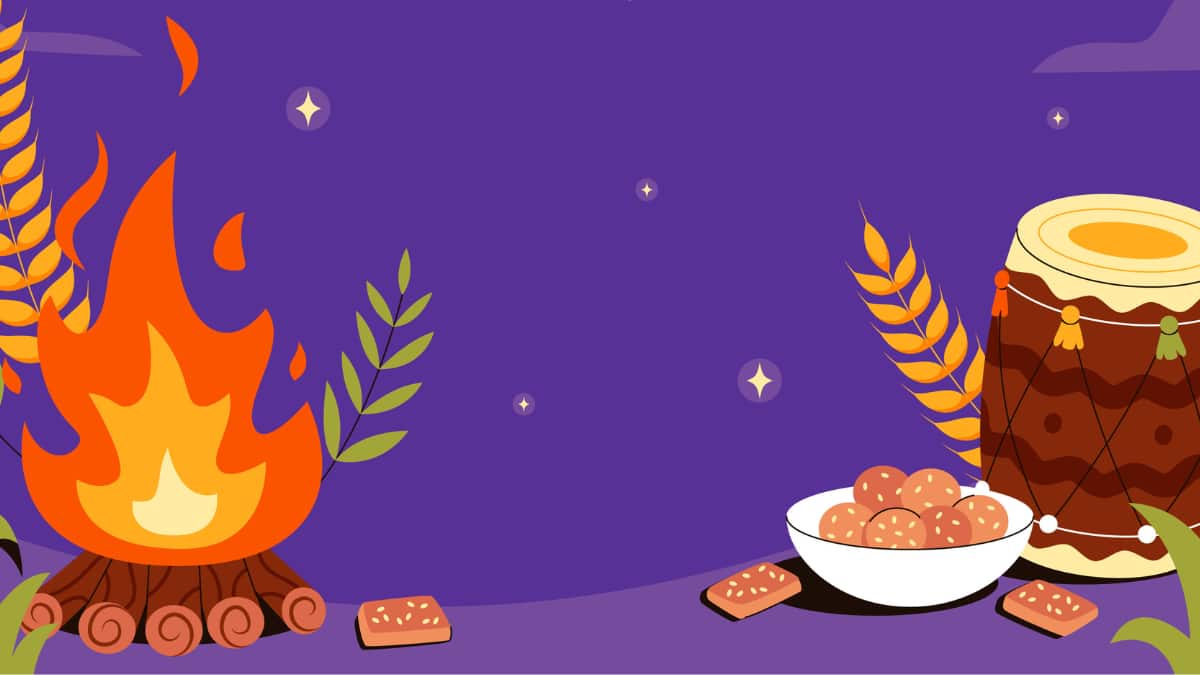
    Lohri is one of the most popular harvest festivals of North India and is celebrated with great enthusiasm in Punjab, Haryana, Himachal Pradesh, and Delhi. Observed every year on 13 January, the festival marks the end of winter and the beginning of the harvest season for rabi crops. Lohri is celebrated a day before Makar Sankranti and is widely seen as a festival of joy, gratitude, and new beginnings.

    While Lohri will be celebrated on 13 January, Makar Sankranti will be observed on 14 January, marking the Sun’s transition into Capricorn. This astronomical change symbolises the arrival of a new harvest season and the gradual increase in daylight hours.

    ALSO READ: Makar Sankranti 2026: From Uttarayan To Daan-Punya, All You Need To Know About This Sacred Day

    A Festival Of Gratitude To The Gods

    Lohri is dedicated to Lord Surya (the Sun God) and Agni (the Fire God), both considered primary sources of energy and life. The festival signifies the departure of harsh winter and the onset of spring. The night of Lohri is believed to be the coldest of the season. On this occasion, people offer a portion of the harvest into the sacred fire, expressing gratitude to the gods for prosperity and abundance. It is believed that offerings made into the fire reach the deities directly.

    How Lohri Is Celebrated

    On Lohri evening, families and communities gather around a bonfire and perform rituals. The Punjabi community celebrates the festival with great enthusiasm. People exchange sweets and greetings, sing traditional folk songs, and perform Bhangra and Gidda around the bonfire.

    Offerings such as wheat ears, rewri, peanuts, puffed rice, chikki, and jaggery-based items are made into the fire. Lohri is closely associated with the joy of a new harvest and is celebrated collectively with relatives and neighbours.

    Several folk tales and mythological stories are linked to Lohri, adding cultural depth to the festival. Women often carry young children and warm them near the Lohri fire, as it is believed this keeps the child healthy and protects them from the evil eye.

    Rituals For A Good Harvest

    According to Hindu scriptures, fire is considered the mouth of the gods. Farmers believe that offering grains into the Lohri fire ensures the blessings of Surya Dev and Agni Dev, leading to good harvests and abundance. In Punjab, the festival holds special importance, especially for families celebrating their first Lohri after marriage or childbirth. Newly married couples traditionally celebrate Lohri at their parental home and seek blessings from elders.

    Auspicious Time For Lohri Rituals

    Lighting the bonfire during Pradosh Kaal is considered most auspicious on Lohri. On this day, sunset will occur at 5:44 pm, and the two-hour period following sunset is regarded as the most favourable time for Lohri rituals and fire worship.

    Who Was Dulla Bhatti?

    Dulla Bhatti was a legendary hero of Punjab during the reign of Mughal emperor Akbar. He is remembered as a protector of the poor and a symbol of women’s honour. At a time when wealthy traders exploited young girls, Dulla Bhatti rescued them and arranged their marriages. He would loot oppressive rich men and distribute wealth among the needy. One popular legend narrates how he arranged the marriage of a poor village girl, treating her as his own sister. He is remembered during Lohri celebrations as a symbol of courage and compassion.

    Traditions Associated With Lohri

    In Punjab, Lohri is also known as Tilodi, derived from til (sesame) and rodi. Rodi is a traditional preparation made from jaggery and bread. Eating and sharing sesame and jaggery is an important part of Lohri, symbolising warmth, sweetness, and togetherness.

    Celebrating The First Lohri

    Lohri is celebrated with special enthusiasm in homes where a new marriage has taken place, the first wedding anniversary is being observed, or a child has been born. The festival is considered a symbol of new beginnings, good fortune, health, and prosperity. According to tradition, newly married women are advised to avoid wearing black clothes on this day and refrain from arguments with family members.

    Lohri Celebrations In Communities

    On Lohri, unmarried girls wear colourful new clothes and go door to door seeking Lohri offerings. People light bonfires to keep warm during the peak of winter and sing traditional Lohri songs. Children, elders, and youth alike join in dancing and singing to the beats of the dhol, performing Bhangra and Gidda, making Lohri a vibrant community celebration that reflects joy, unity, and cultural pride.

    [Disclaimer: The content of this article is based solely on beliefs, and should be taken as general guidance. Individual experiences may vary. ABPLive.com does not assert the accuracy or validity of any claims or information presented. It is strongly recommended to consult a qualified expert before considering or implementing any information or belief discussed herein.]

    Click here to Read More
    Previous Article
    Small Living Room? Smart Sofa And Furniture Ideas That Actually Work
    Next Article
    Jana Nayagan Makers Approach Supreme Court Over UA Certificate Stay

    Related Lifestyle Updates:

    Are you sure? You want to delete this comment..! Remove Cancel

    Comments (0)

      Leave a comment