Welcome to DailyAdda News (“we”, “our”, “us”). By downloading, accessing, or using the DailyAdda News mobile app or website, you agree to the following Terms & Conditions. Please read them carefully.
🔹 1. Use of the App
DailyAdda News provides:
Bengali, Hindi & English news
RSS-based headlines
Short summaries
External links to publishers
Local updates, alerts & information
You agree:
To use the app legally
Not to misuse or interfere with its services
Not to copy, distribute or republish our summary content without permission
🔹 2. Content Sources & Copyright
DailyAdda News shows:
Headlines
Short rewritten summaries
Source credit
Link to original article
We do not claim ownership of original articles from external publishers.
You must access full articles on the publisher’s website. External content belongs to respective copyright holders.
🔹 3. User Conduct
You agree not to:
Harm or disrupt the app
Attempt unauthorized access
Upload harmful material
Scrape data or automate requests
Use the app for political manipulation or spreading misinformation
🔹 4. Third-Party Services
DailyAdda News uses:
External RSS feeds
Third-party news websites
Google AdMob
Analytics services
We are not responsible for:
Accuracy of external content
Availability of third-party websites
Their privacy policies or terms
🔹 5. Notifications
DailyAdda News may send:
Breaking news alerts
Job alerts
Local city updates
Weather warnings
You may disable notifications anytime in device settings.
🔹 6. No Guarantee of Accuracy
News is subject to change. We try to provide accurate updates but:
We do not guarantee 100% accuracy
We are not responsible for errors or delays
Users should verify important news directly from official sources
🔹 7. Advertisements
DailyAdda displays ads through:
Google AdMob
Other ad partners
We are not responsible for:
Content of ads
Actions taken on third-party ad pages
🔹 8. Limitation of Liability
DailyAdda News is not liable for:
Data loss
App downtime
Incorrect or outdated news
Third-party website actions
Financial, personal, or business loss caused by news content
Use the app at your own risk.
🔹 9. Changes to the Service
We may modify:
Features
Categories
App layout
Terms & Conditions
We can also suspend or discontinue parts of the service.
We use cookies to ensure you get the best experience on our website. By continuing to use our site, you accept our use of cookies,
Privacy Policy,
and
Terms of Service.
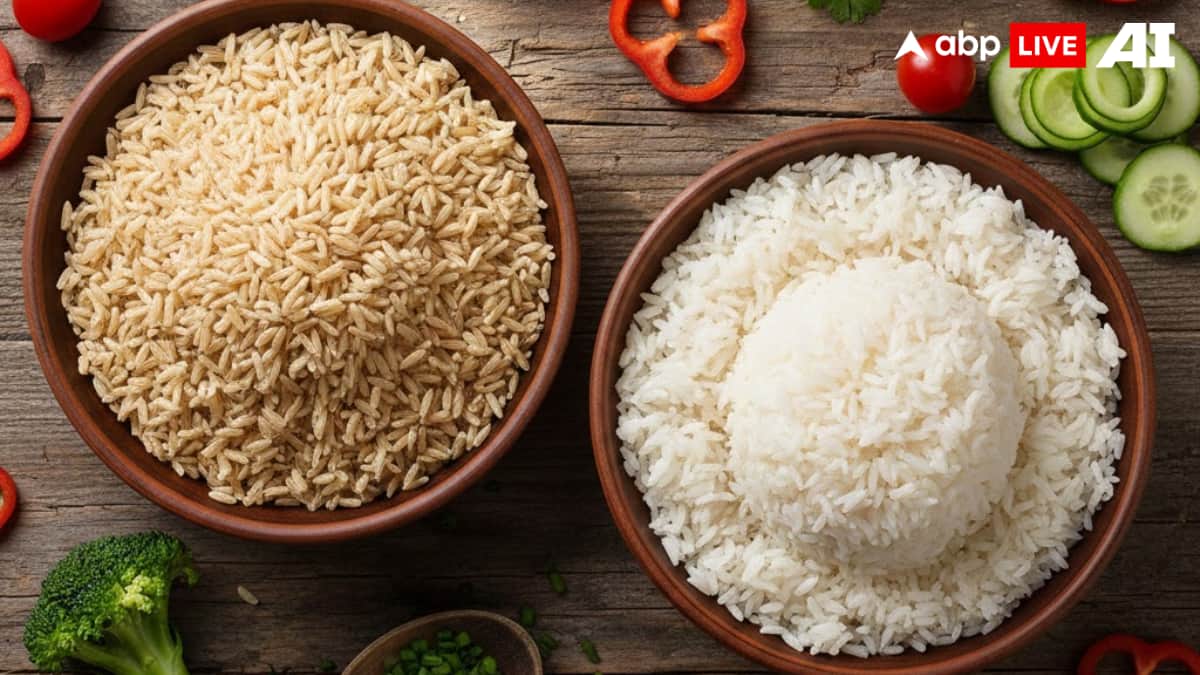
Rice is one of the most widely consumed staples across the globe, forming the backbone of countless meals every day. But when it comes to choosing between brown rice and white rice, the debate can get a little tricky. One one hand, white rice is soft, quick to cook, and highly versatile, making it a favourite in many kitchens. On the other hand, brown rice is considered the healthier cousin, packed with the fibre, vitamins, and minerals that support long-term health. The choice isn't just about taste, it affects your energy levels, digestion, weight management, and even heart health. While both types of rice can be part of a balanced diet, understanding their nutritional profiles, benefits, and potential downsides can help you make informed decisions about which rice to eat daily.
When it comes to nutrition, brown rice has a clear edge over white rice. Brown rice is a whole grain, meaning it retains the bran and germ, which are removed in white rice during processing. This makes brown rice rich in fibre, magnesium, manganese, and several B vitamins, all essential for energy production, digestion, and metabolism. Its higher fibre content slows digestion, helping regulate blood sugar levels and keeping you fuller for longer. While white rice may be fortified with some vitamins in certain countries, it doesn’t naturally provide the same health benefits as brown rice. Understanding these nutritional differences helps you make smarter choices depending on your dietary goals, lifestyle, and health needs.
2. Impact On Bloof Sugar Levels
One of the most important differences between brown rice and white rice is their effect on blood sugar. Brown rice has a lower glycemic index (GI) than white rice, which means it releases glucose more slowly into the bloodstream, helping maintain steady energy levels and reducing the risk of insulin spikes. This is particularly important for people with diabetes or those trying to manage weight. White rice, on the other hand, has a higher GI, causing a quicker rise in blood sugar, which can lead to energy crashes, increased hunger, and over time, higher risks of type 2 diabetes. Still, white rich isn't bad when eaten in moderation. Pairing it with protein, fibre-rich vegetables, and healthy fats can offset its blood sugar impact.
3. Fibre Content And Digestive Health
(Image Source: ABPLIVE AI)
fibre plays a crucial role in maintaining a healthy digestive system, and here, brown rice clearly shines. With about 3.5 grams of fibre per cooked cup, brown rice helps promote regular bowel movements, prevent constipation, and support gut health by feeding beneficial bacteria. In contrast, white rice contains only around 0.6 grams of fibre per cup, offering minimal digestive support. Adequate fibre also contributes to satiety, reducing overeating and assisting in weight management. For people with sensitive digestive systems, brown rice can aid in stabilising gut function and reducing bloating over time.
4. Weight Management
If you’re looking to manage your weight effectively, brown rice has a slight advantage due to its high fibre content. fibre not only slows digestion but also helps keep you feeling full for longer periods, which reduces the tendency to snack between meals. White rice, being low in fibre, digests quickly, which can sometimes lead to increased hunger and overeating later. Studies suggest that incorporating whole grains like brown rice into your diet may support healthy weight loss and maintenance over time. However, portion control and pairing rice with proteins and vegetables are key, regardless of the type you choose.
5. Cooking And Taste Considerations
(Image Source: ABPLIVE AI)
One reason white rice remains so popular is its soft texture, mild flavour, and quick cooking time, which makes it versatile for everyday meals. Brown rice, while chewier and slightly nuttier in taste, requires longer cooking and more water, which can be a barrier for busy lifestyles. flavour-wise, brown rice can complement robust dishes like stir-fries, curries, and grain bowls, while white rice pairs seamlessly with delicate sauces, sushi, and creamy risottos. For those transitioning to healthier eating, combining brown and white rice or trying semi-brown rice varieties can offer the best of both worlds.
6. Antioxidants And Heart Health Benefits
Brown rice contains a wealth of antioxidants like phenolic compounds and flavonoids, which help combat oxidative stress and inflammation in the body. These antioxidants contribute to heart health by improving cholesterol levels, reducing blood pressure, and supporting overall cardiovascular function. White rice, stripped of its bran and germ, has significantly lower antioxidant content, providing minimal protection against chronic diseases. Regular consumption of brown rice may help lower the risk of heart disease, diabetes, and metabolic syndrome over time.
7. Practical Tips For Including Rice In Your Health
(Image Source: ABPLIVE AI)
Both brown and white rice can have a place in a balanced diet. For maximum health benefits, consider mixing both types or using brown rice for main meals while reserving white rice for special occasions or dishes that require softer grains. Pairing rice with protein-rich foods, vegetables, and healthy fats ensures better nutrient absorption and keeps blood sugar levels stable. Experimenting with spices like turmeric, cumin, and cinnamon can enhance flavour and add extra health benefits. Pre-soaking brown rice or using pressure cooking can reduce cooking time and improve digestibility.
[Disclaimer: The information provided in the article is intended for general informational purposes only. It is not a substitute for professional medical advice, diagnosis, or treatment. Always seek the advice of your physician or other qualified healthcare provider with any questions you may have regarding a medical condition.]