
SEARCH

    Language Settings
    Select Website Language

    GDPR Compliance

    We use cookies to ensure you get the best experience on our website. By continuing to use our site, you accept our use of cookies, Privacy Policies, and Terms of Service.

    dailyadda

    Ayurvedic Ways To Strengthen Children’s Immunity And Respiratory Health In Polluted Environments

    2 hours ago

    {By Mr. Mool Meena}

    Children today are growing up in an atmosphere that is very different from what previous generations experienced. Rapid urbanization, rising pollution levels, and increased time spent indoors have created an environment where the air a child breathes is often far from pure. Indoor spaces, schools, homes, day-care centres, and AC rooms, harbour dust mites, cleaning chemical residues, mold, and stale air circulation. Outdoor pollution adds another layer of stress to their developing respiratory systems.

    From an Ayurvedic perspective, this polluted environment directly affects the pranavaha srotas (respiratory channels), disturbs Vata and Kapha, and weakens ojas, the essence responsible for immunity, vitality, and growth. Respiratory congestion, recurrent infections, allergies, poor appetite, and fatigue have become increasingly common among children living in highly polluted environments.

    Strengthening children’s internal capacity to handle these challenges is essential, and Ayurveda offers a holistic framework for doing so, through herbs, daily practices, and lifestyle rhythms tailored to a child’s natural constitution.

    ALSO READ: Why Dandruff Peaks In Winter And The Smart Scalp Care That Prevents It

    Children And Pollution: An Ayurvedic View

    Childhood represents the Kapha stage of life, characterised by softness, moisture, and steady development. This makes children more prone to congestion, mucus accumulation, and slower clearance of respiratory irritants. Polluted air aggravates Kapha by causing buildup in the lungs and sinuses, while the dryness of AC rooms or dusty environments aggravates Vata, leading to irritation, dry cough, and disturbed breathing.

    Ayurveda emphasises that protecting children from the effects of pollution requires a dual approach:

    • Strengthening the body from within
    • Reducing exposure and supporting natural detoxification

    Ayurvedic Herbs That Support Respiratory Strength

    Several classical Ayurvedic herbs play a key role in maintaining clear airways and healthy immunity in children.

    • Tulsi supports respiratory clarity and naturally reduces congestion.
    • Giloy strengthens immunity and supports faster recovery from seasonal infections.
    • Mulethi soothes throat irritation and balances dryness.
    • Pippali enhances lung function and supports oxygen absorption.
    • Amla, rich in natural Vitamin C, nourishes immunity and overall respiratory health.

    Formulations may also include herbs such as Vasaka, Kantakari, Bharangi, and warming spices like clove, cinnamon, and black pepper, traditionally used to promote easier breathing and reduce Kapha buildup.

    Swarnaprashana: Ayurvedic Immunity Support For Children

    Classical Ayurvedic texts, including the Kashyapa Samhita, describe Swarnaprashana (also known as Swarna Bindu Prashana) as a method of enhancing a child’s immunity, intellect, and overall development. This age-old practice involves the administration of purified gold (swarna bhasma) mixed with ghee, honey, and medhya (brain-supporting) herbs.

    Modern observational studies and traditional Ayurvedic insights indicate that Swarnaprashana may support:

    • Improved respiratory strength and reduced susceptibility to infections
    • Enhanced immunity and overall disease resistance
    • Better gut health and digestion
    • Improved memory, concentration, and cognitive development
    • Reduced episodes of allergies and recurrent colds

    Many parents follow the cultural practice of giving Swarnaprashana on Pushya Nakshatra, although it can also be administered regularly as per guidance from Ayurvedic practitioners.

    This safe, time-tested approach offers a supportive shield for children growing up in polluted environments, complementing other daily Ayurvedic practices.

    Gut Health: The Foundation Of Strong Immunity

    Ayurveda repeatedly highlights the link between digestion and immunity. When Agni (digestive fire) is strong, the body produces healthy ojas; when Agni is weak, immunity weakens. Pollution and environmental stress can slow down Agni, leading to poor appetite, fatigue, and recurring respiratory issues.

    To support a child’s digestive strength:

    • Prioritise warm, freshly prepared meals
    • Use digestive spices like ginger, jeera, ajwain, turmeric, and black pepper
    • Include a small amount of ghee daily
    • Avoid frequent snacking and cold or packaged foods
    • A healthy gut equips the child’s body to better resist the harmful impact of pollutants.

    Nasya For Children: A Simple Everyday Protection

    A gentle form of Nasya can be introduced for children above five years. Applying 1–2 drops of warm ghee or sesame oil inside each nostril helps lubricate nasal passages and acts as a natural barrier against dust, dry air, and pollutants.

    This practice helps:

    • Keep sinuses moist
    • Reduce morning congestion
    • Support easier breathing
    • Protect nasal pathways from irritants

    Breathing Practices That Improve Lung Capacity

    Children respond very well to simple breathing exercises. Deep belly breathing, balloon breathing, and Bhramari (humming breath) enhance lung expansion, improve oxygen flow, and reduce the impact of pollution on the lungs. Just a few minutes a day can contribute to better respiratory stamina.

    Night-Time Rituals For Stronger Immunity

    A warm cup of haldi doodh (turmeric milk) at night supports respiratory health and overall immunity. Turmeric reduces inflammation, black pepper enhances absorption, and ghee nourishes tissues, making this a powerful night-time ritual for children.

    Purifying Indoor Air The Ayurvedic Way

    Since children spend most of their time indoors, improving indoor air quality is crucial.

    Ayurvedic recommendations include:

    • Burning camphor or loban
    • Using neem leaves in corners
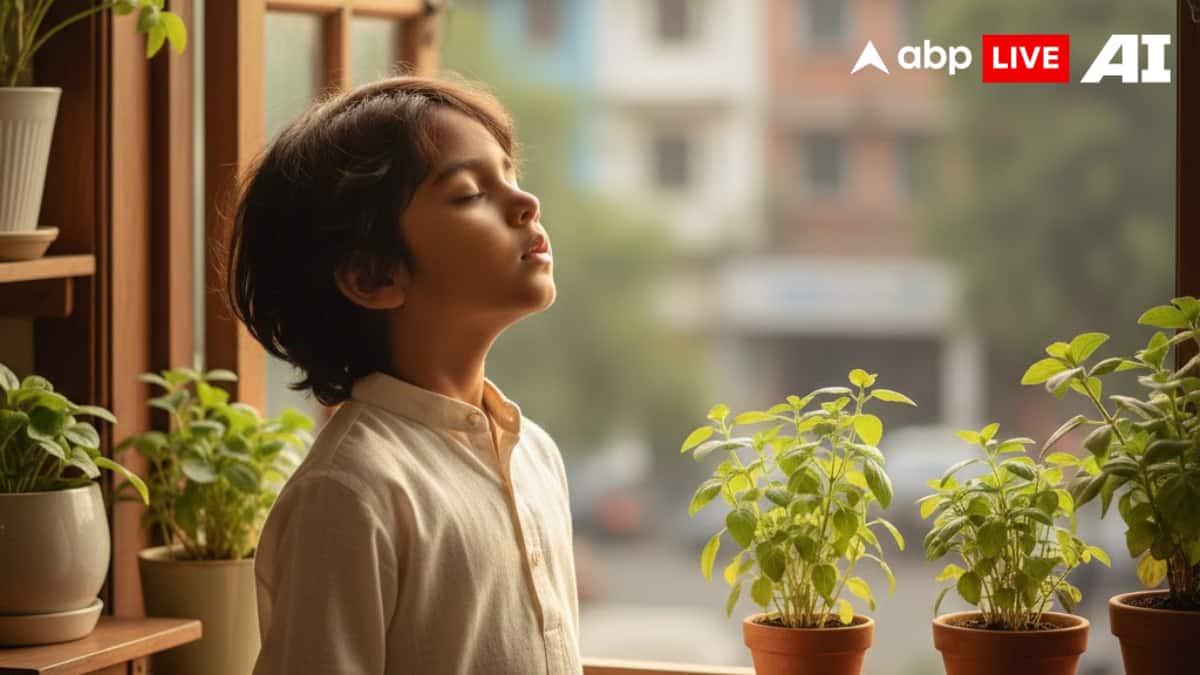
    • Keeping indoor plants like tulsi, aloe vera, and money plant
    • Ensuring proper ventilation during the day
    • Avoiding strong chemical cleaners

    Natural, well-ventilated spaces support healthier breathing and reduce respiratory irritants.

    Children’s respiratory systems are delicate, but they are also adaptable when nurtured correctly. Ayurveda provides a comprehensive, time-tested approach to strengthen immunity, enhance lung function, and build resilience against polluted environments. By combining supportive herbs, Swarnaprashana, simple daily rituals, digestive care, breathwork, and cleaner indoor environments, families can help children breathe easier and stay healthier in an era where air-quality challenges are becoming the norm.

    The author, Mr. Mool Meena, is the Founder and CEO at Sheopal’s.

    [Disclaimer: The information provided in the article is shared by experts and is intended for general informational purposes only. It is not a substitute for professional medical advice, diagnosis, or treatment. Always seek the advice of your physician or other qualified healthcare provider with any questions you may have regarding a medical condition.]

    Click here to Read More
    Previous Article
    Kancha Ad Is Back! Maruti Suzuki Revives 1990s Nostalgia To Promote eVitara
    Next Article
    Magh Mela 2026: Rare Auspicious Yog Forms After 75-Years; Know Magh Month Dates, Snaan-Daan Muhurat, And More

    Related Lifestyle Updates:

    Comments (0)

      Leave a Comment