Welcome to DailyAdda News (“we”, “our”, “us”). By downloading, accessing, or using the DailyAdda News mobile app or website, you agree to the following Terms & Conditions. Please read them carefully.
🔹 1. Use of the App
DailyAdda News provides:
Bengali, Hindi & English news
RSS-based headlines
Short summaries
External links to publishers
Local updates, alerts & information
You agree:
To use the app legally
Not to misuse or interfere with its services
Not to copy, distribute or republish our summary content without permission
🔹 2. Content Sources & Copyright
DailyAdda News shows:
Headlines
Short rewritten summaries
Source credit
Link to original article
We do not claim ownership of original articles from external publishers.
You must access full articles on the publisher’s website. External content belongs to respective copyright holders.
🔹 3. User Conduct
You agree not to:
Harm or disrupt the app
Attempt unauthorized access
Upload harmful material
Scrape data or automate requests
Use the app for political manipulation or spreading misinformation
🔹 4. Third-Party Services
DailyAdda News uses:
External RSS feeds
Third-party news websites
Google AdMob
Analytics services
We are not responsible for:
Accuracy of external content
Availability of third-party websites
Their privacy policies or terms
🔹 5. Notifications
DailyAdda News may send:
Breaking news alerts
Job alerts
Local city updates
Weather warnings
You may disable notifications anytime in device settings.
🔹 6. No Guarantee of Accuracy
News is subject to change. We try to provide accurate updates but:
We do not guarantee 100% accuracy
We are not responsible for errors or delays
Users should verify important news directly from official sources
🔹 7. Advertisements
DailyAdda displays ads through:
Google AdMob
Other ad partners
We are not responsible for:
Content of ads
Actions taken on third-party ad pages
🔹 8. Limitation of Liability
DailyAdda News is not liable for:
Data loss
App downtime
Incorrect or outdated news
Third-party website actions
Financial, personal, or business loss caused by news content
Use the app at your own risk.
🔹 9. Changes to the Service
We may modify:
Features
Categories
App layout
Terms & Conditions
We can also suspend or discontinue parts of the service.
We use cookies to ensure you get the best experience on our website. By continuing to
use our site, you accept our use of cookies, Privacy Policies, and Terms of Service.
Christmas is often imagined as a cosy celebration filled with decorated trees, gift exchanges, carols, and hearty family meals. Yet beyond familiar customs lies a fascinating world of festive traditions that are anything but ordinary. Across continents and cultures, Christmas has evolved into a celebration shaped by folklore, history, superstition, and local identity. From roller-skating to church services to festive rituals involving brooms, witches, and even logs that “deliver” gifts, these traditions challenge everything we think we know about the holiday season.
In Japan, Christmas dinner looks nothing like the traditional roast enjoyed elsewhere. Instead, fried chicken takes centre stage, thanks to a decades-old marketing campaign that transformed a fast-food meal into a festive icon. With ovens in Japanese homes typically too small for roasting large birds, fried chicken emerged as a convenient alternative. Over time, it became a symbolic Christmas treat rather than a practical choice. Weeks before the holiday, families pre-book special festive meals featuring carefully packaged chicken, side dishes, and desserts. Restaurants decorate their storefronts with holiday-themed displays, turning fried chicken into an event rather than a meal.
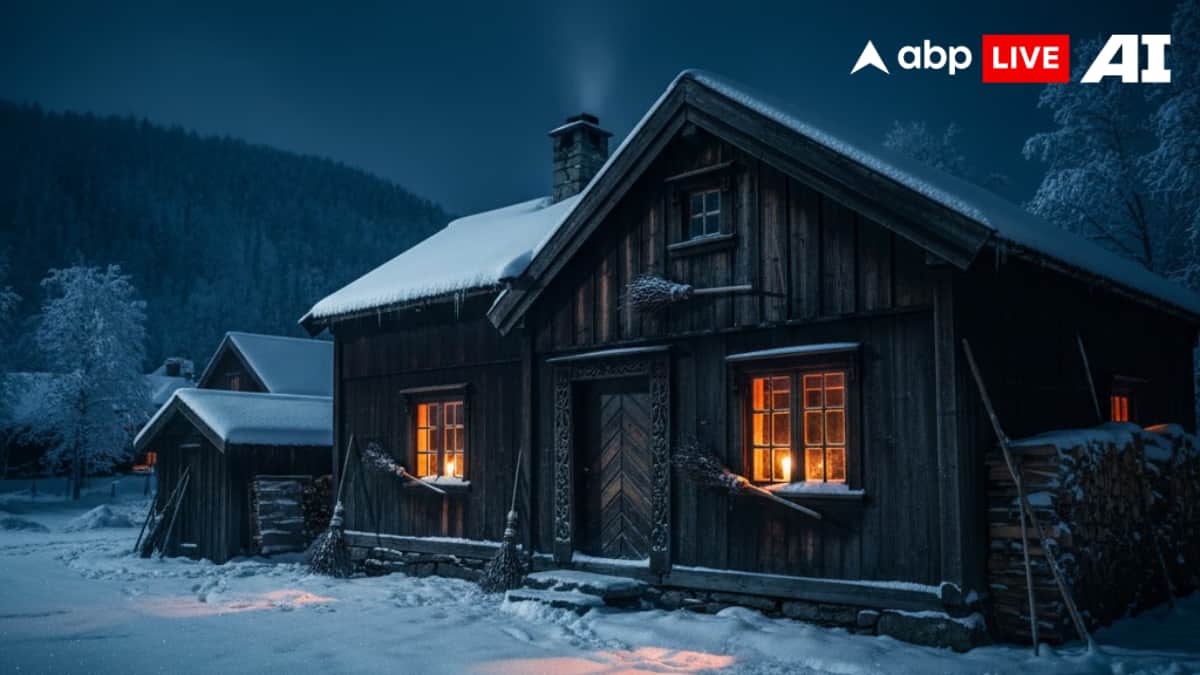
2. Norway
(Image Source: ABPLIVE AI)
In Norway, Christmas Eve carries a supernatural undertone rooted in ancient folklore. Traditionally, people believed that spirits and witches became active during the darkest nights of winter. Since brooms were thought to be the preferred mode of transport for these beings, households began hiding them before bedtime. This symbolic act was meant to protect homes from unwanted visitors and ensure peace throughout the festive night. While few Norwegians take the belief literally today, the ritual continues as a nod to tradition.
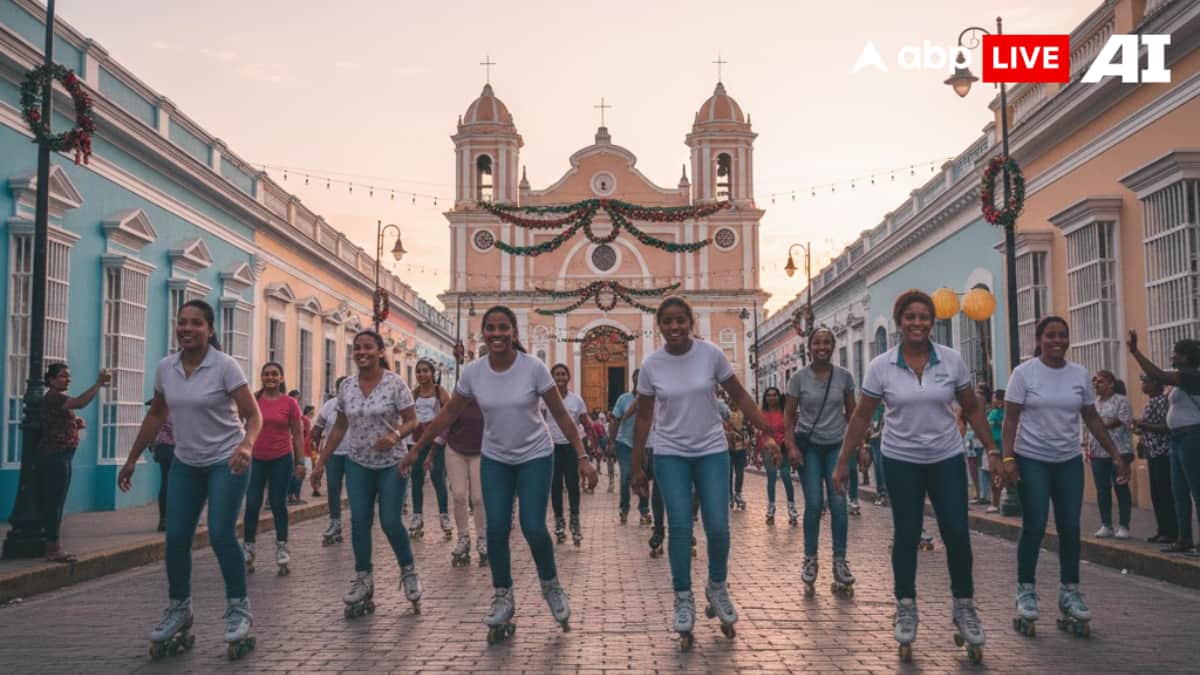
3. Venezuela
(Image Source: ABPLIVE AI)
In parts of Venezuela, attending early morning Christmas services involves wheels rather than walking shoes. In the days leading up to Christmas, communities gather for special dawn prayers, travelling to churches on roller skates. The tradition is so popular that roads are temporarily closed to keep worshippers safe. Some families even sleep with a string tied to a toe and the other end attached to a bedpost, believing it will wake them if skaters pass by.
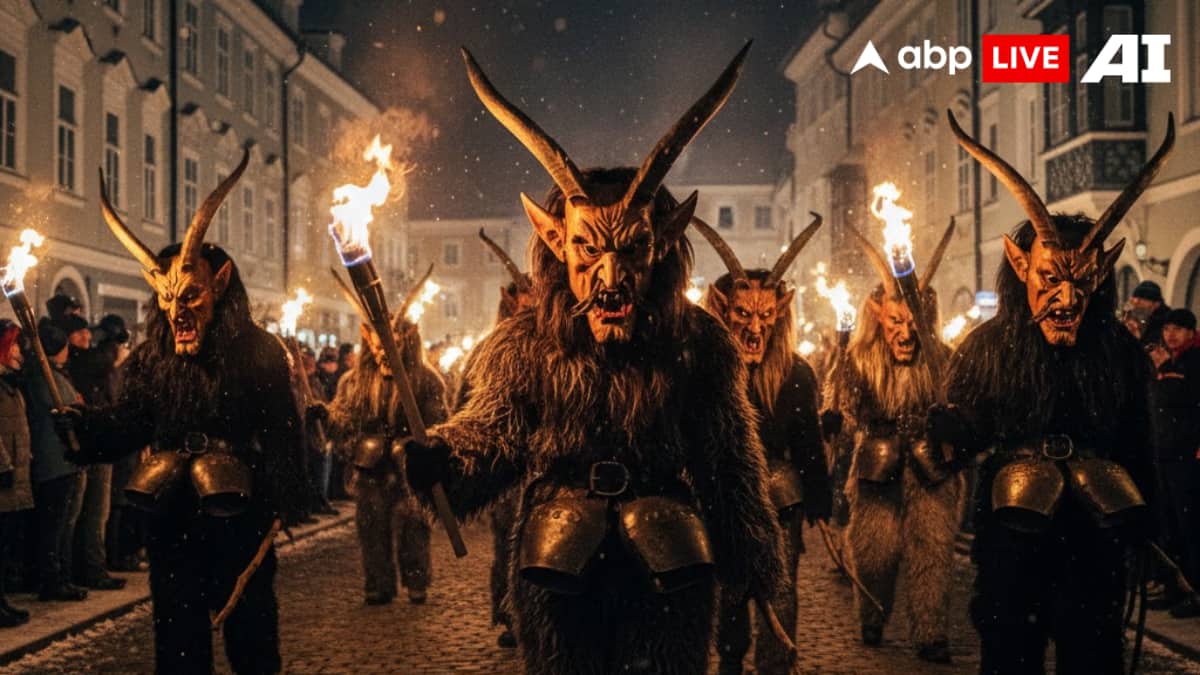
4. Austria
(Image Source: ABPLIVE AI)
Austria’s Christmas season introduces a frightening contrast to festive cheer in the form of Krampus, a horned figure rooted in Alpine folklore. Representing punishment rather than reward, Krampus is believed to discipline misbehaving children. During December, towns host processions where participants dress as the creature, parading through streets with bells, masks, and dramatic costumes. Though intimidating, the event is largely theatrical today, drawing crowds fascinated by its theatrical edge. This tradition highlights how fear and folklore coexist with celebration in many cultural narratives.
5. Spain
(Image Source: ABPLIVE AI)
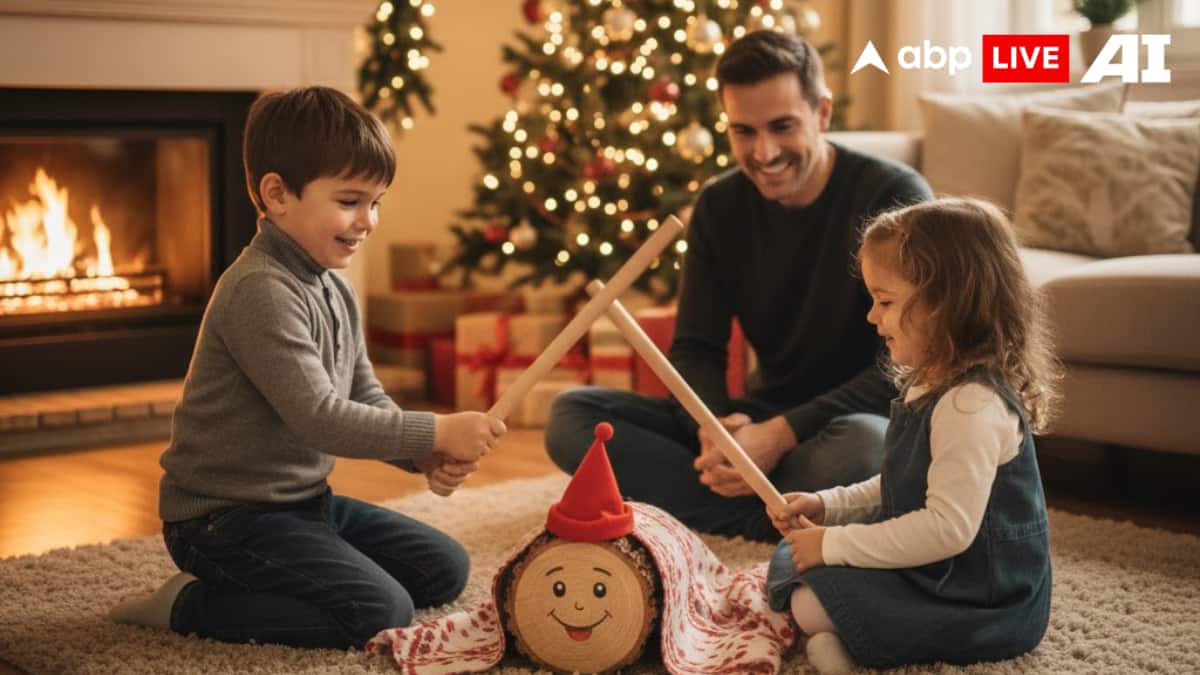
Catalonia’s Christmas customs are among Europe’s most eccentric. One involves a decorated log that is “fed” daily until Christmas Eve, when families encourage it to release gifts through rhythmic tapping and singing. Another features humorous figurines hidden within nativity scenes. Far from being offensive, these traditions symbolise fertility, renewal, and good fortune.
6. Sweden
(Image Source: ABPLIVE AI)
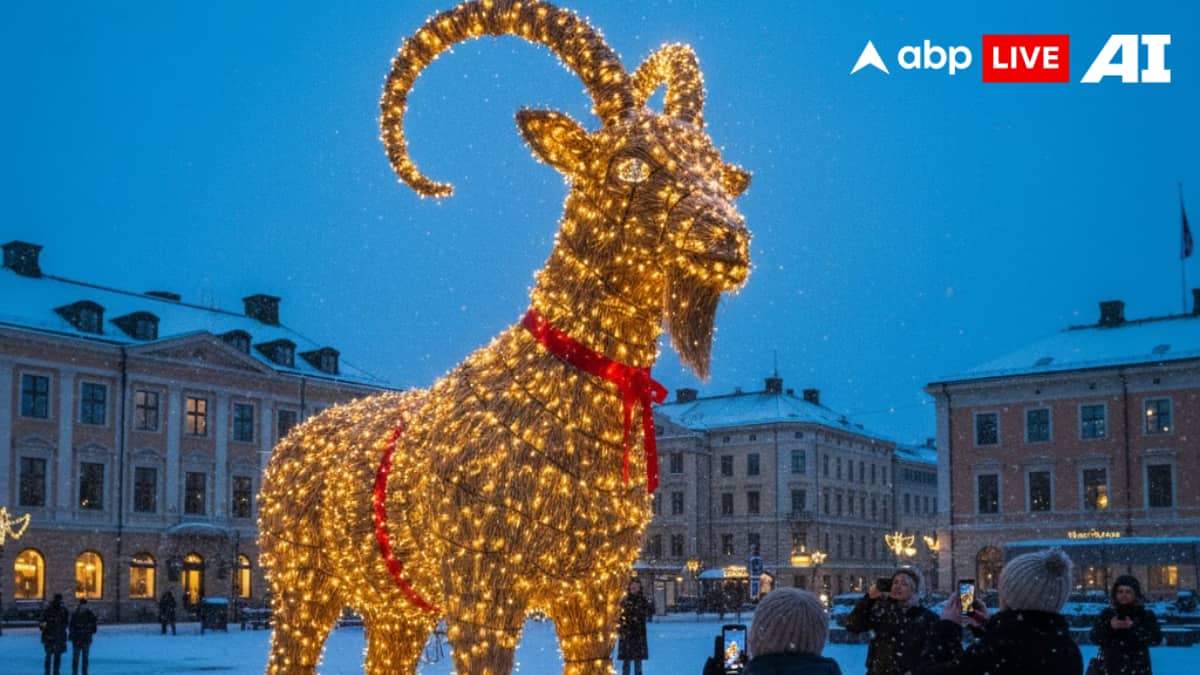
Sweden’s Christmas landscape often includes massive straw goats, especially in the town of Gavle. Inspired by ancient Norse symbolism, the goat represents harvest and protection. Built annually, the towering structure has become internationally famous, partly due to repeated attempts to burn it down. Despite protective measures, its survival has become a seasonal guessing game. The tradition blends ancient mythology with modern spectacle, turning a simple symbol into a global talking point.
7. Ukraine
(Image Source: ABPLIVE AI)
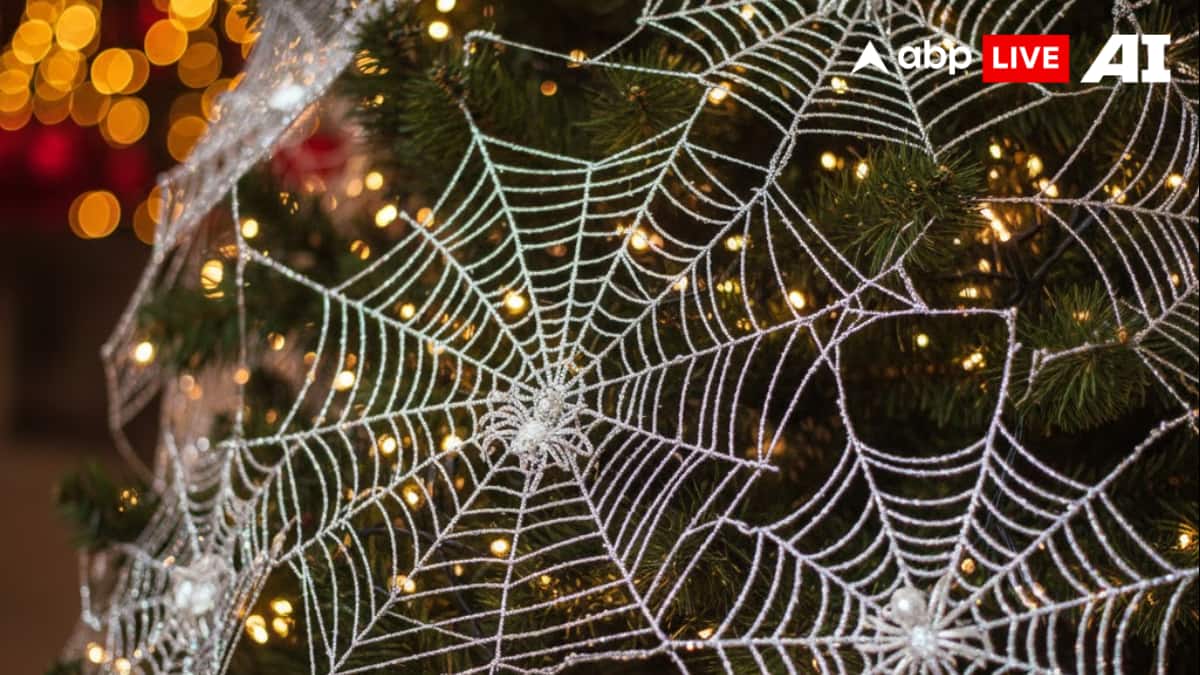
Ukrainian Christmas trees often feature shimmering spider webs, inspired by folklore about luck and transformation. According to legend, a poor family’s web turned silver overnight, symbolising hope and reward. Today, artificial webs honour this story and represent prosperity for the coming year. The tradition blends storytelling with festive decor, turning an unlikely symbol into one of beauty and meaning.
8. Portugal
(Image Source: ABPLIVE AI)
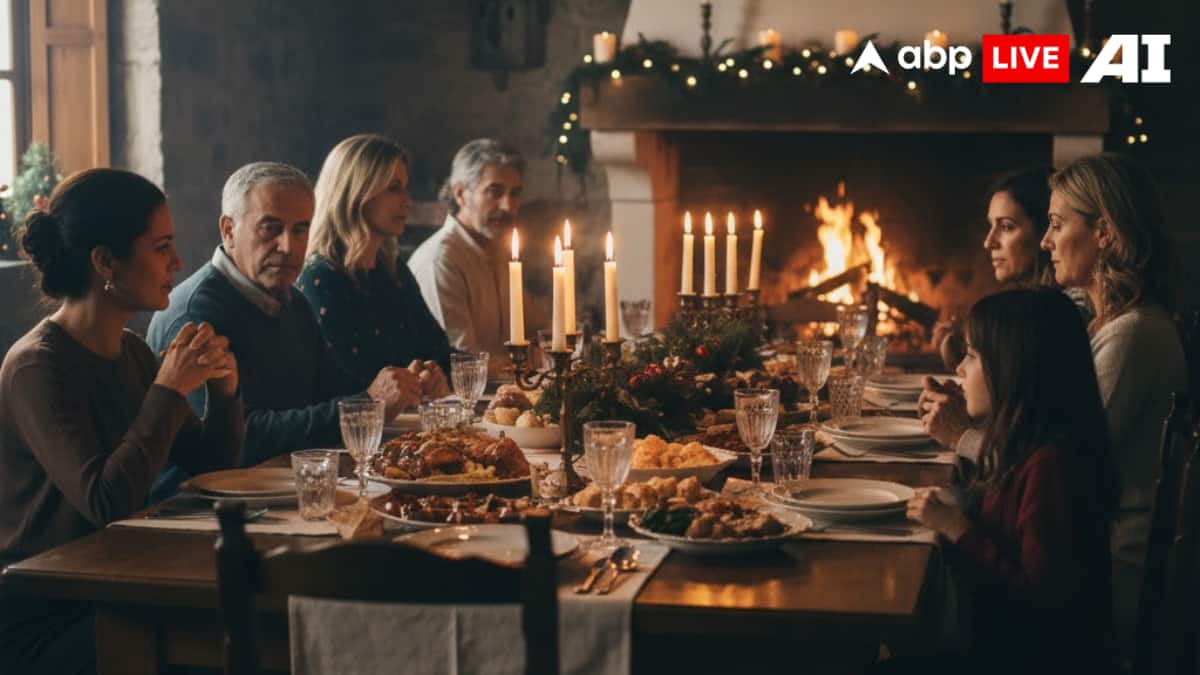
In Portugal, Christmas meals sometimes include symbolic gestures to honour deceased relatives. Families may set extra places at the table or leave food offerings, believing this brings blessings and protection. This deeply spiritual practice transforms Christmas dinner into a moment of remembrance, connecting generations through shared traditions and respect for ancestry.
9. Czech Republic
(Image Source: ABPLIVE AI)
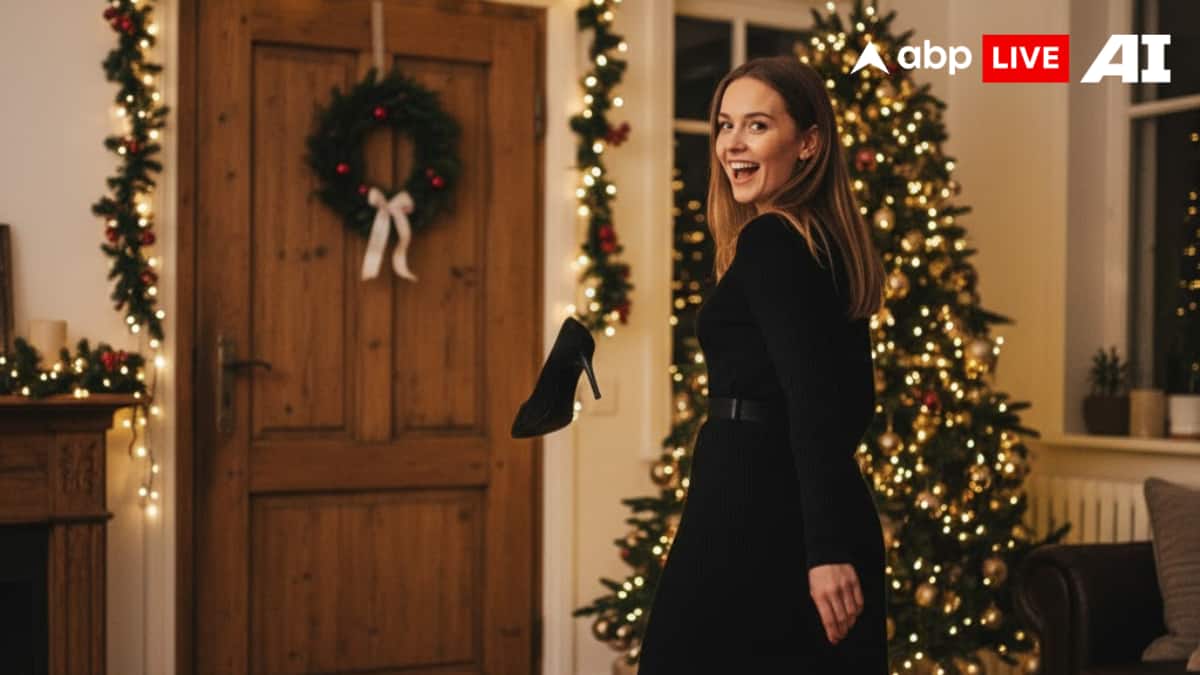
In Czech households, Christmas Eve includes a playful ritual for unmarried women. A shoe is tossed over the shoulder, and its landing position determines romantic prospects for the coming year. While light-hearted, the custom reflects enduring beliefs about fate and future, adding anticipation and fun to the holiday.
10. Germany
(Image Source: ABPLIVE AI)
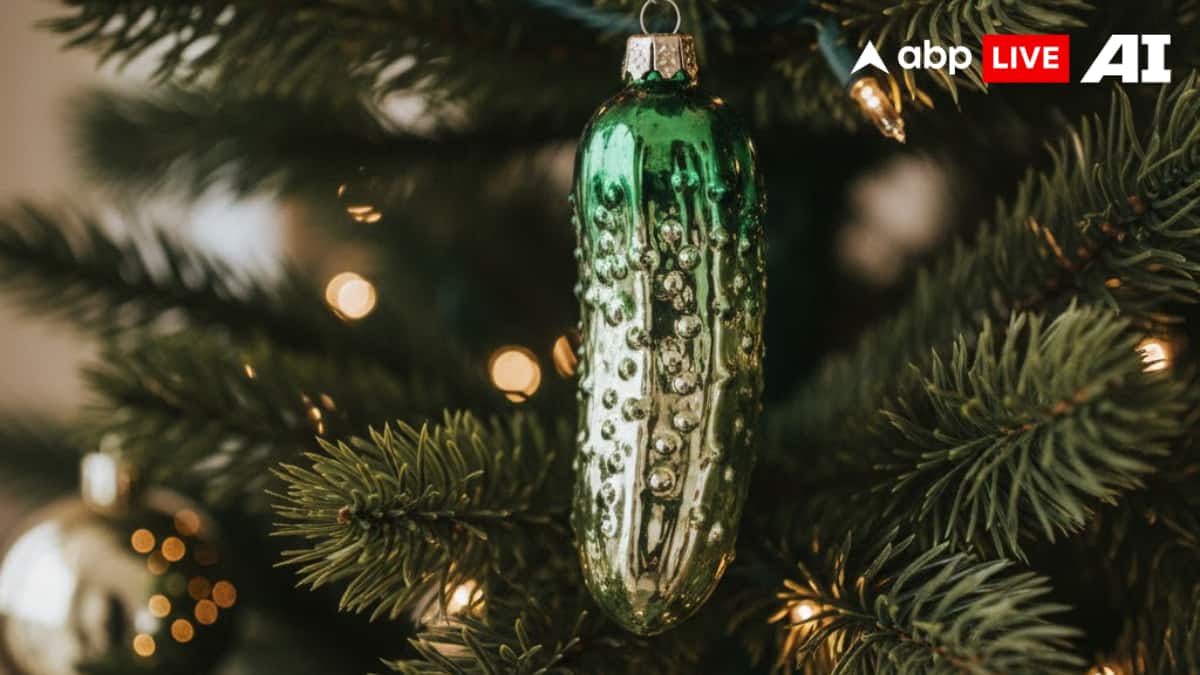
In parts of Germany, a glass pickle ornament is hidden among Christmas decorations. Whoever finds it first receives good fortune or an extra gift. Though playful, the tradition encourages interaction and excitement, turning decoration into a festive game that brings families together.