
Search

    Language Settings
    Select Website Language

    GDPR Compliance

    We use cookies to ensure you get the best experience on our website. By continuing to use our site, you accept our use of cookies, Privacy Policy, and Terms of Service.

    dailyadda

    Winter Health Alert: Expert Tips To Stay Strong, Safe, And Infection-Free

    3 hours ago

    (By Dr. Subhayan Bhattacharya)

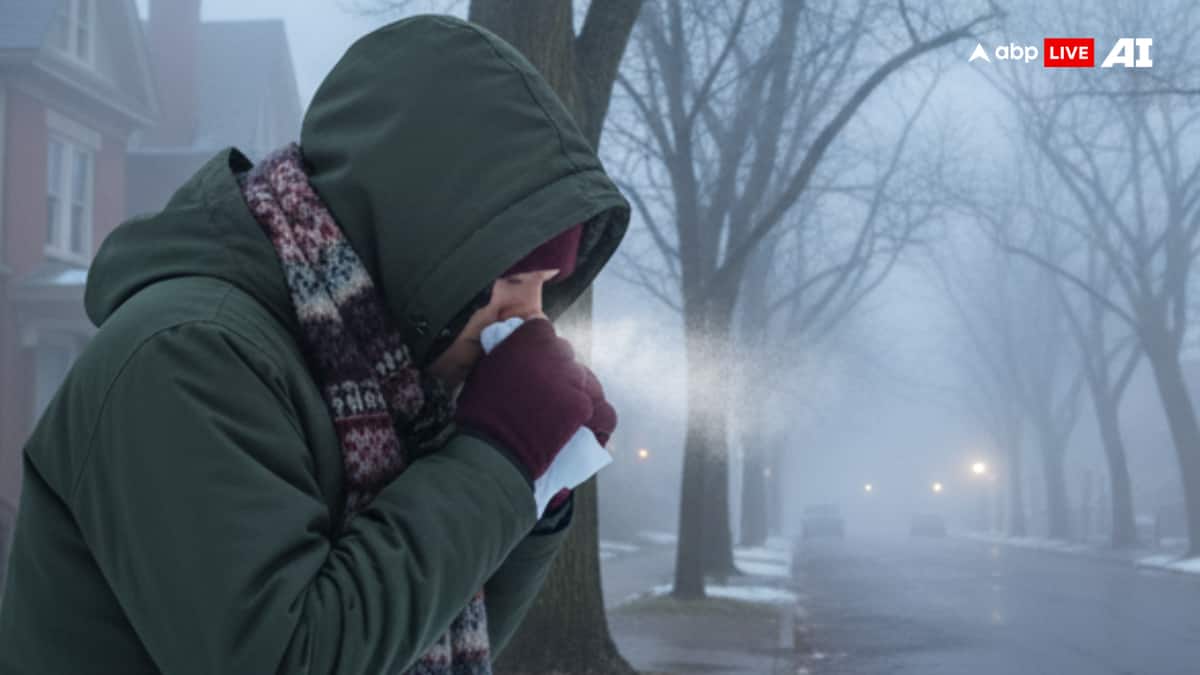
    As winter sets in, a season marked by low temperatures, reduced humidity, and increased indoor crowding, a proactive and preventive approach to health care becomes especially important. Expert brings into light the major challenges of Winter Seasons and how to prevent from getting affected from cold induced health hazards. 

    ALSO READ: Holiday Parties And Heart Health: Why 'Holiday Heart Syndrome' Strikes In Winter

    Types Of Health Challenges 

    Cold weather predisposes individuals to a range of health issues, including respiratory tract infections, exacerbations of chronic cardiopulmonary diseases, musculoskeletal discomfort, and skin disorders. During winter, viral infections such as influenza, respiratory syncytial virus, and other upper respiratory tract infections show a clear seasonal rise, making vaccination a cornerstone of preventive care. Annual influenza vaccination should be strongly encouraged, particularly among the elderly, pregnant women, individuals with chronic illnesses, and health-care workers. General infection-prevention strategies, including regular hand hygiene, respiratory etiquette, and avoiding crowded or poorly ventilated spaces, remain highly effective and should be consistently reinforced.

    Protein Rich Diets Plays A Pivotal Role In Boosting Immunity  

    Adequate nutrition plays a central role in maintaining immunity during winter months. A balanced diet rich in proteins, seasonal fruits, vegetables, and micronutrients such as vitamins A, C, D, zinc, and iron supports optimal immune function. Vitamin D deficiency is particularly common in winter due to reduced sunlight exposure, and supplementation may be considered in high-risk populations after appropriate assessment. Maintaining adequate hydration is equally important, as the sensation of thirst often diminishes in cold weather, predisposing individuals to dehydration, constipation, and urinary tract infections. Warm fluids such as soups and herbal teas can help maintain hydration while providing symptomatic comfort.

    Patients With Heart Ailments Are More Vulnerable 

    Cold exposure can aggravate cardiovascular conditions by causing peripheral vasoconstriction, increased blood pressure, and higher cardiac workload. Patients with hypertension, ischemic heart disease, or heart failure should be advised to adhere strictly to medications, monitor blood pressure regularly, and avoid sudden exposure to extreme cold. Layered clothing, adequate home heating, and avoidance of early-morning outdoor exertion in very cold conditions are simple but effective preventive measures.

    Similarly, patients with chronic respiratory diseases such as asthma and chronic obstructive pulmonary disease are prone to winter exacerbations. They should be counseled on strict adherence to inhaled therapies, correct inhaler techniques, avoidance of known triggers, and early medical consultation at the onset of worsening symptoms.

    Dermatological Solution For A Glowing Skin 

    Skin care deserves special attention during winter, as low humidity leads to xerosis, eczema flares, and pruritus. Regular use of emollients, avoidance of excessively hot showers, and use of mild soaps can significantly reduce skin-related morbidity. Lip care and protection of extremities are important, especially in elderly individuals and those with peripheral vascular disease. Musculoskeletal problems, including joint stiffness and myalgia, are also more common in cold weather; maintaining regular physical activity, gentle stretching, and adequate warmth can help prevent discomfort and functional decline.

    Mental-Physical Fitness Comtributes In Paramount Amount For A Better Living In Winter 

    Mental health and lifestyle factors should not be overlooked during winter. Reduced daylight hours and limited outdoor activity may contribute to low mood, sleep disturbances, and reduced physical fitness. Encouraging regular exercise, exposure to natural light when possible, and maintenance of healthy sleep routines can mitigate these effects. Adequate rest, smoking cessation, and moderation of alcohol intake further strengthen overall health and immune resilience.

    Dr. Subhayan Bhattacharya is a Infectious and Tropical Medicine Physician at Techno India DAMA 

    [Disclaimer: The information provided in the article, including treatment suggestions shared by doctors and is intended for general informational purposes only. It is not a substitute for professional medical advice, diagnosis, or treatment. Always seek the advice of your physician or other qualified healthcare provider with any questions you may have regarding a medical condition.]

    Click here to Read More
    Previous Article
    Tech oversight: Sebi to form working group on exchange technology; aim to strengthen market resilience
    Next Article
    Everyday Luxury: Minimal Fine Jewellery Trends For Working Women In 2025

    Related Health Updates:

    Are you sure? You want to delete this comment..! Remove Cancel

    Comments (0)

      Leave a comment