The Trump administration has also removed the mention of agricultural goods from the text. It also altered its wording around President Trump's claim about India's "commitment" to buying over $500 billion of US goods.
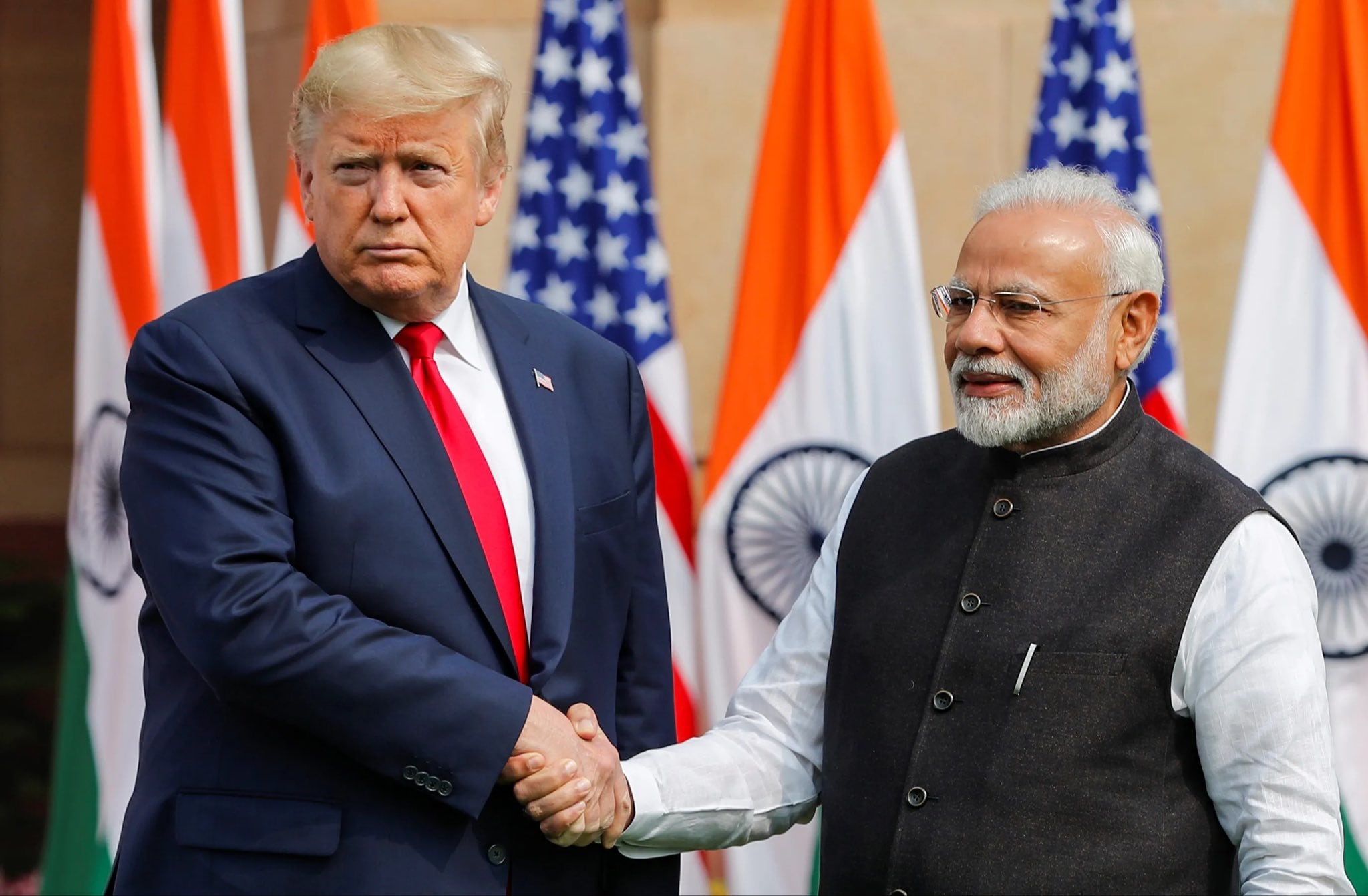
The Donald Trump administration in the United States has revised its factsheet on the "key terms" of the "historic" India-US trade deal, dropping the claim that New Delhi would reduce tariffs on "certain pulses" and altering wording relating to the $500 billion purchase "commitment", among other things. The revisions in the factsheet are significant, given that agricultural imports, particularly pulses, are sensitive for India's farm sector.
Revision On Pulses
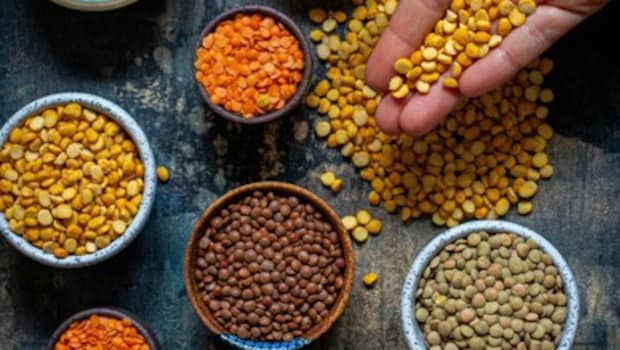
The factsheet released by the White House on Tuesday explicitly mentioned "certain pulses" among the products for which India would reduce or eliminate tariffs. "India will eliminate or reduce tariffs on all US industrial goods and a wide range of US food and agricultural products, including dried distillers' grains (DDGs), red sorghum, tree nuts, fresh and processed fruit, certain pulses, soybean oil, wine and spirits, and additional products," the statement read.
The updated version of the document no longer carries any mention of pulses. It says, "India will eliminate or reduce tariffs on all US industrial goods and a wide range of US food and agricultural products, including dried distillers' grains (DDGs), red sorghum, tree nuts, fresh and processed fruit, soybean oil, wine and spirits, and additional products."
India is the world's largest producer and consumer of pulses, including lentils, chickpeas, and dry beans. To preserve the interest of Indian farmers, New Delhi has imposed substantial tariffs on American exports in these categories. The change in the US factsheet suggests New Delhi successfully pushed back on the characterisation.
"Agri Goods" Removed
The Trump administration has also removed the mention of agricultural goods from the text. It also altered its wording around President Trump's claim about India's "commitment" to buying over $500 billion of US goods.
The earlier version of the factsheet said, "India committed to buy more American products and purchase over $500 billion of US energy, information and communication technology, agricultural, coal, and other products."
However, the revised paragraph does not refer to agricultural products. It also replaced the word "committed" with "intends."
The revised version said, "India intends to buy more American products and purchase over $500 billion of US energy, information and communication technology, coal, and other products."
The politically sensitive agriculture sector accounts for about a fifth of India's GDP. The country's agri space was estimated to be worth $580 billion to $650 billion, according to a June report by McKinsey & Co., which said that the sector could grow to $1.4 trillion by 2035.
New Delhi has resisted opening its agriculture sector because of the move that may intensify pressure on some domestic farmers in the highly competitive market.
No Removal Of Digital Services Taxes
Team Trump also walked back assertions that India would eliminate digital services taxes. The earlier version of the text read, "India will remove its digital services taxes and committed to negotiate a robust set of bilateral digital trade rules that address discriminatory or burdensome practices and other barriers to digital trade, including rules that prohibit the imposition of customs duties on electronic transmissions."
The updated version says, "India committed to negotiate a robust set of bilateral digital trade rules that address discriminatory or burdensome practices and other barriers to digital trade."
What Led To The Changes
The changes came a day after Congress President Mallikarjun Kharge criticised the Bharatiya Janata Party (BJP) government in the Centre over the framework of the Interim Trade Agreement with Washington. Kharge claimed the trade pact undermined India's strategic autonomy, farmers, cattle, and the textile sector.
He called the deal a "PR-wrapped betrayal" and questioned whether it protects India's strategic and economic interests. The Congress leader raised concerns over agriculture, alleging that pulses and genetically modified (GM) feed, including dried distillers' grains (DDGs) and red sorghum for animal feed, have been silently added to the deal.
He noted that the White House factsheet on the deal mentioned conditions not included in the earlier Indo-US Joint Statement.
"We were told that the Indo-US Joint Statement said nothing on Russian oil, even though Mr. Trump publicly tweeted otherwise. Now the White House fact sheet clearly lists "India's commitment to stop purchasing Russian Federation oil" as a condition for removal of an additional 25 per cent tariff. The Modi government agreed to this erosion of India's sovereignty. Why? The Congress party had already exposed the Executive Order placing India under US monitoring for direct or indirect oil imports," he said in a post on X.
India's Stand So Far
After the deal was announced, the Centre assured Indian farmers that they were fully protected. The farm sector hasn't been opened fully, Commerce Minister Piyush Goyal had pointed out, adding that sectors where India is self-sufficient have been kept outside the deal.
"I can say with absolute certainty that our farmers, artisans, and handloom industry will not suffer any harm," Goyal said at a briefing, describing the trade deal as "fair, equitable, and balanced."
No concessions have been given on items that are considered sensitive in India, he added.