Welcome to DailyAdda News (“we”, “our”, “us”). By downloading, accessing, or using the DailyAdda News mobile app or website, you agree to the following Terms & Conditions. Please read them carefully.
🔹 1. Use of the App
DailyAdda News provides:
Bengali, Hindi & English news
RSS-based headlines
Short summaries
External links to publishers
Local updates, alerts & information
You agree:
To use the app legally
Not to misuse or interfere with its services
Not to copy, distribute or republish our summary content without permission
🔹 2. Content Sources & Copyright
DailyAdda News shows:
Headlines
Short rewritten summaries
Source credit
Link to original article
We do not claim ownership of original articles from external publishers.
You must access full articles on the publisher’s website. External content belongs to respective copyright holders.
🔹 3. User Conduct
You agree not to:
Harm or disrupt the app
Attempt unauthorized access
Upload harmful material
Scrape data or automate requests
Use the app for political manipulation or spreading misinformation
🔹 4. Third-Party Services
DailyAdda News uses:
External RSS feeds
Third-party news websites
Google AdMob
Analytics services
We are not responsible for:
Accuracy of external content
Availability of third-party websites
Their privacy policies or terms
🔹 5. Notifications
DailyAdda News may send:
Breaking news alerts
Job alerts
Local city updates
Weather warnings
You may disable notifications anytime in device settings.
🔹 6. No Guarantee of Accuracy
News is subject to change. We try to provide accurate updates but:
We do not guarantee 100% accuracy
We are not responsible for errors or delays
Users should verify important news directly from official sources
🔹 7. Advertisements
DailyAdda displays ads through:
Google AdMob
Other ad partners
We are not responsible for:
Content of ads
Actions taken on third-party ad pages
🔹 8. Limitation of Liability
DailyAdda News is not liable for:
Data loss
App downtime
Incorrect or outdated news
Third-party website actions
Financial, personal, or business loss caused by news content
Use the app at your own risk.
🔹 9. Changes to the Service
We may modify:
Features
Categories
App layout
Terms & Conditions
We can also suspend or discontinue parts of the service.
We use cookies to ensure you get the best experience on our website. By continuing to
use our site, you accept our use of cookies, Privacy Policies, and Terms of Service.
Looking back at 2025, it wasn’t just dating habits that evolved, the language of romance itself underwent a dramatic rewrite. Gen Z, already known for reshaping cultural norms through humour, honesty, and internet-first thinking, introduced a new vocabulary that captured the emotional realities of modern dating. These terms didn’t emerge from textbooks or therapy sessions. They were born in group chats, dating apps, social media comment sections, and late-night voice notes. Each phrase reflected something deeply relatable like the fear of vulnerability, exhaustion from emotional labour, the influence of technology, and a growing desire for clarity.
Together, these expressions didn’t just label behaviours, they exposed how love, intimacy, and commitment are navigated in a fast-paced, hyper-connected world. Here’s a look back at the dating terms that defined Gen Z romance in 2025 and why they struck such a powerful chord.
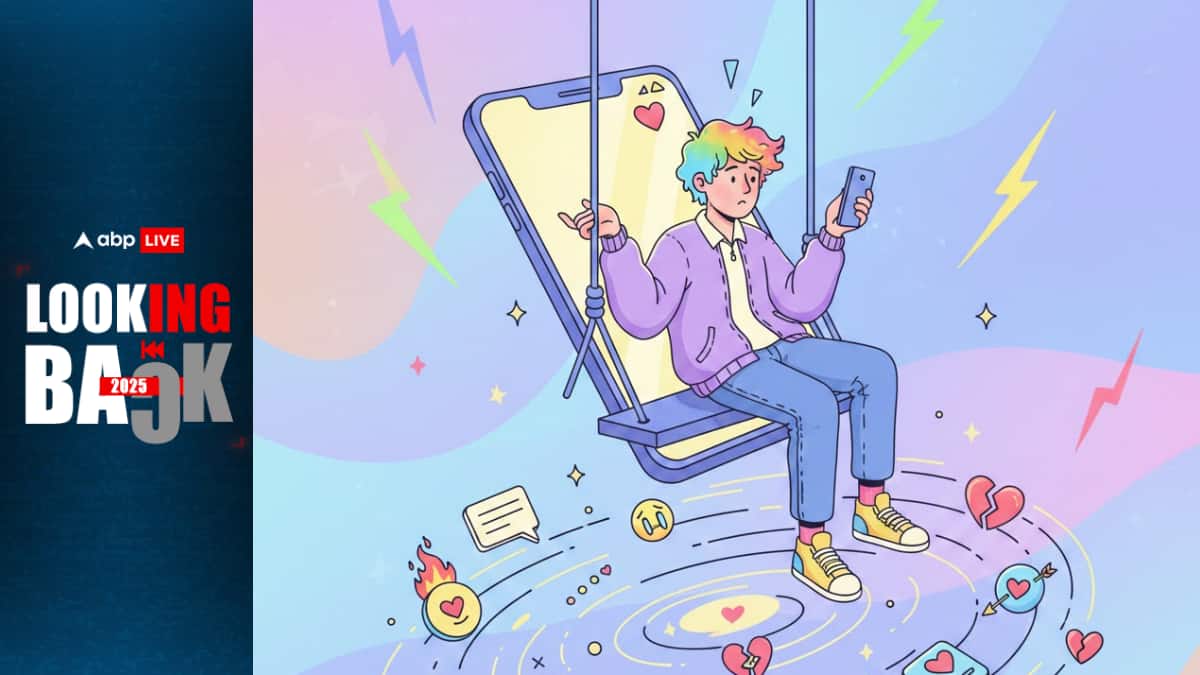
Shrekking captured one of the year’s most ironic dating lessons. The term described people intentionally choosing partners they believed were “beneath” their standards, assuming this imbalance would protect them from heartbreak. The logic was rooted in control, if you value them more than they value you, you won’t get hurt. Reality, however, had other plans. Many who embraced this mindset ended up being rejected, ghosted, or blindsided. Getting “Shrekked” became shorthand for having your ego humbled by love. The term resonated because it exposed a universal truth: attraction doesn’t follow hierarchy. Emotional connection isn’t governed by perceived value. Shrekking became a cautionary tale, reminding Gen Z that insecurity disguised as strategy often backfires in the most unexpected ways.
2. Chatfishing
(Image Source: ABPLIVE AI)
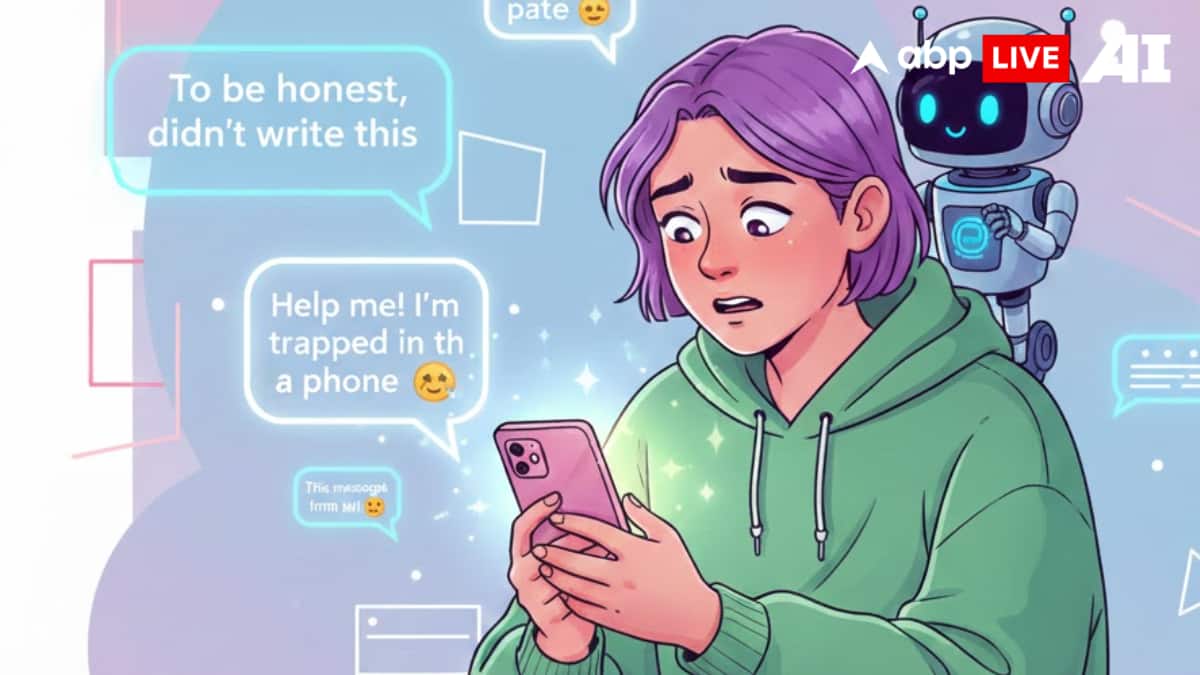
If catfishing was about fake identities, chatfishing was about borrowed personalities. In 2025, many daters quietly began outsourcing their romantic conversations to AI tools. Screenshots of chats were fed into apps that generated charming, emotionally intelligent replies. The goal wasn’t deception in appearance, it was performance in communication. For some, it eased anxiety and helped articulate feelings they struggled to express. For others, it blurred the line between authenticity and automation. Chatfishing sparked debates about emotional honesty in the age of artificial intelligence. Was it still “you” if an algorithm helped you flirt? The trend reflected modern dating pressure, the expectation to always be witty, responsive, and emotionally fluent. More than cheating, chatfishing revealed how exhausting digital romance had become.
3. Zip Coding
(Image Source: ABPLIVE AI)
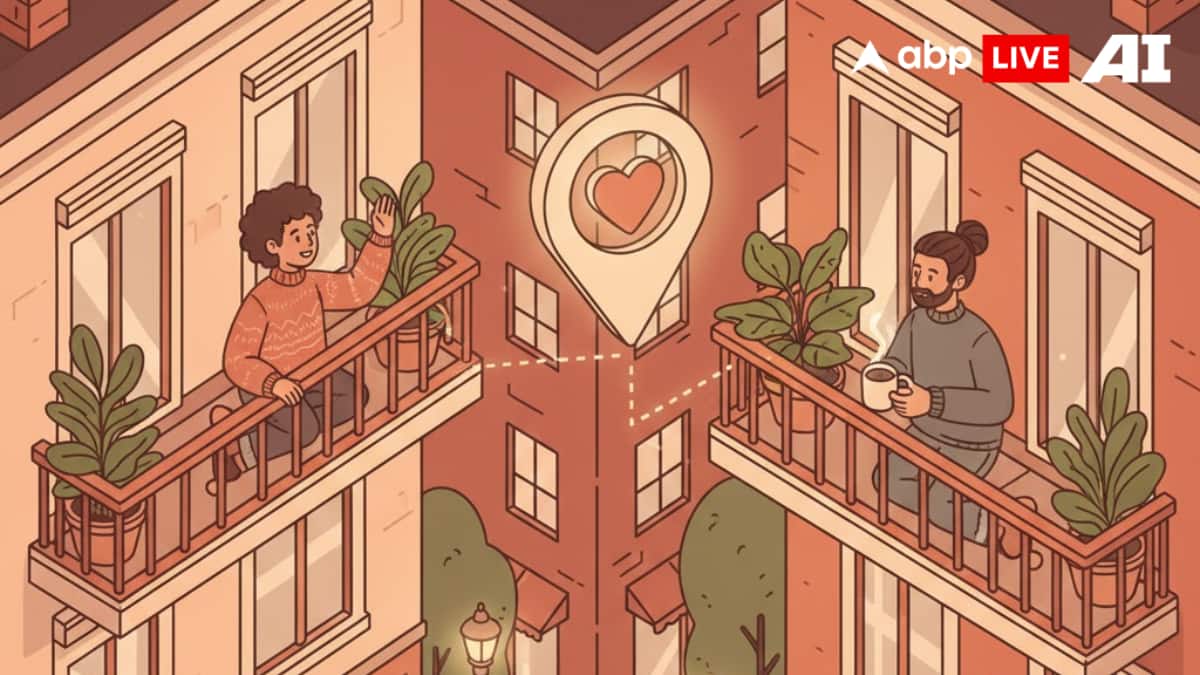
After years of long-distance texting, delayed plans, and relationships stretched thin by geography, 2025 marked a quiet rebellion against inconvenience. Zip-coding emerged as a dating philosophy where people intentionally limited their romantic search to their immediate neighbourhood or postal area. The motivation wasn’t laziness, it was practicality. Dating someone nearby meant spontaneous plans, fewer cancellations, and a realistic chance of building routine intimacy. For Gen Z, who increasingly value consistency over fantasy, proximity became a form of emotional security. Zip-coding also reflected burnout from digital dating, where endless options often led to nowhere. By narrowing the pool, singles felt more present and intentional.
4. Bio-Baiting
(Image Source: ABPLIVE AI)
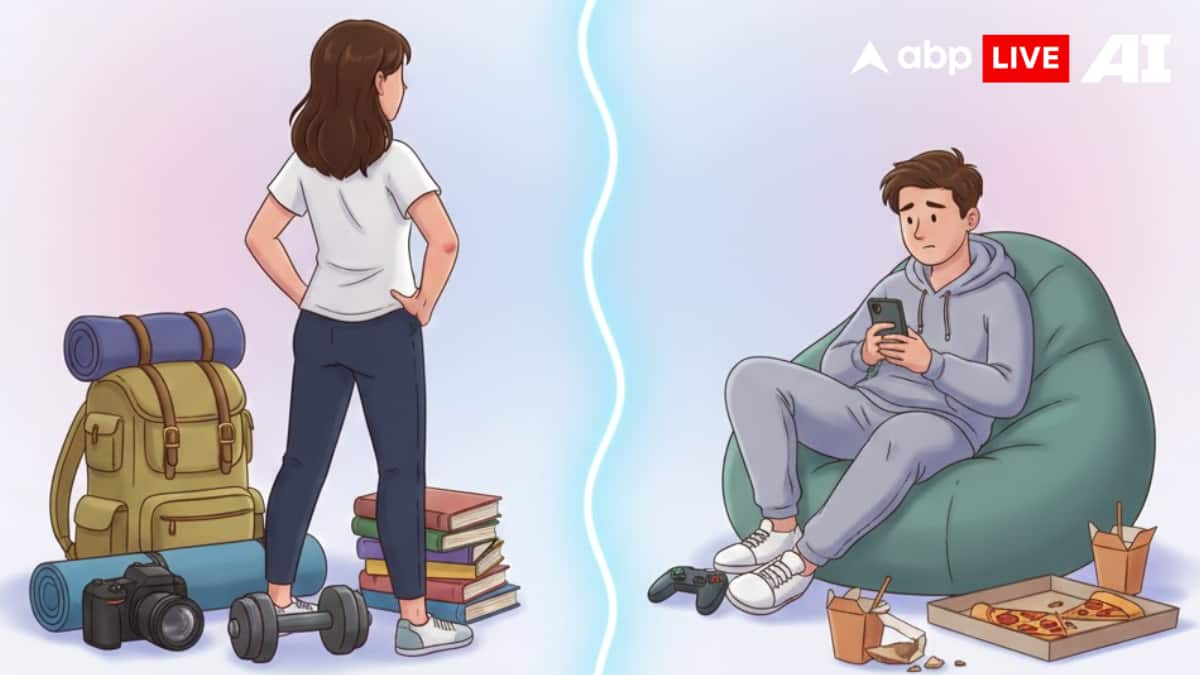
Somewhere between honesty and fabrication sat bio-baiting, a subtle yet widespread dating habit. Instead of outright lying, people crafted dating profiles that leaned heavily into aspiration. Hobbies were exaggerated, lifestyles were glamorised, and personality traits were selectively amplified. The “traveller” who rarely travelled, the “reader” who skimmed occasionally, the “foodie” who mastered food delivery apps, bio-baiting wasn’t fake, just carefully edited. In a swipe-driven ecosystem, first impressions mattered more than nuance. This trend highlighted how digital dating encourages people to market potential rather than reality.
5. Date Till You Hate
(Image Source: ABPLIVE AI)
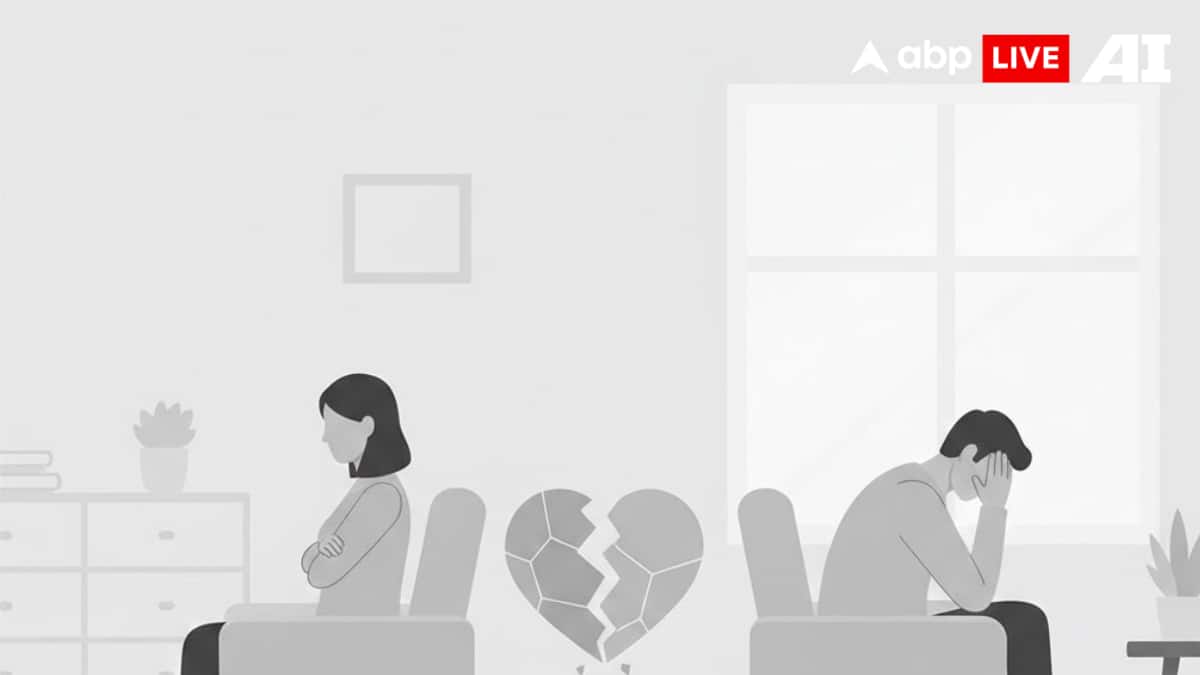
One of the most unsettling trends of 2025 was the resurgence of “date till you hate.” Instead of addressing incompatibility early, some chose to stay until affection turned into indifference. The idea was simple, wait until you feel nothing, then leaving won’t hurt. Critics called it emotionally avoidant, while others admitted it felt painfully familiar. The trend exposed how conflict avoidance often replaces communication. Rather than risk vulnerability, people quietly checked out. Date till you hate became a mirror to modern discomfort with difficult conversations. It shows how emotional endurance sometimes replaced emotional honesty.
6. Clear Coding
(Image Source: ABPLIVE AI)
Amid confusion, one trend offered clarity. Clear coding was about stating intentions upfront, no decoding texts, no guessing games. Singles openly communicated whether they wanted commitment, something casual, or emotional flexibility. The movement gained momentum as surveys showed honesty topping dating priorities. For Gen Z, clarity wasn’t unromantic, it was respectful. Clear coding reduced emotional guesswork and saved time, energy, and heartbreak. It marked a cultural shift where transparency became attractive, proving that confidence and communication were the new chemistry.
7. Monkey-Barring
(Image Source: ABPLIVE AI)
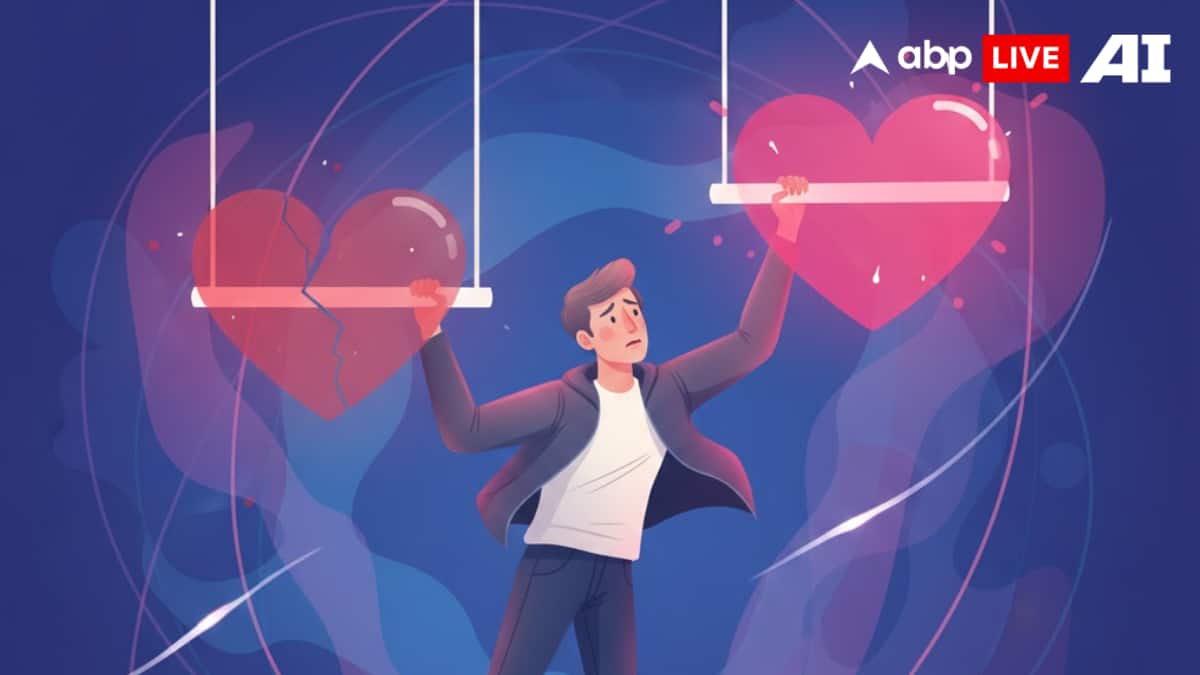
Monkey-barring described the act of holding onto one relationship while emotionally securing another. Like swinging across playground bars, one hand never fully let go. The behaviour reflected fear of loneliness, uncertainty, and emotional free fall. While some defended it as self-protection, others saw it as a form of emotional infidelity. Monkey-barring sparked conversations about boundaries, ethics, and transition relationships. It highlighted how difficult it had become for people to sit alone with discomfort, choosing overlap instead of closure.
8. Banksying
(Image Source: ABPLIVE AI)
If ghosting vanished overnight, Banksying disappeared in slow motion. Named after the artist known for vanishing acts, this breakup style involved gradual withdrawal like, fewer messages, reduced affection, emotional distance, while maintaining the illusion of normalcy. The partner left behind often questioned themselves, unsure when things changed. Banksying became one of the most criticised dating behaviours of the year because of its psychological toll. It exposed how avoidance, when stretched over time, could be more damaging than abrupt endings.
Together, these terms captured the emotional climate of dating in 2025, a mix of humour, honesty, fear, and adaptation. As Gen Z continues to reshape relationships, one thing is clear: love remains timeless, but the language we use to survive it keeps evolving.