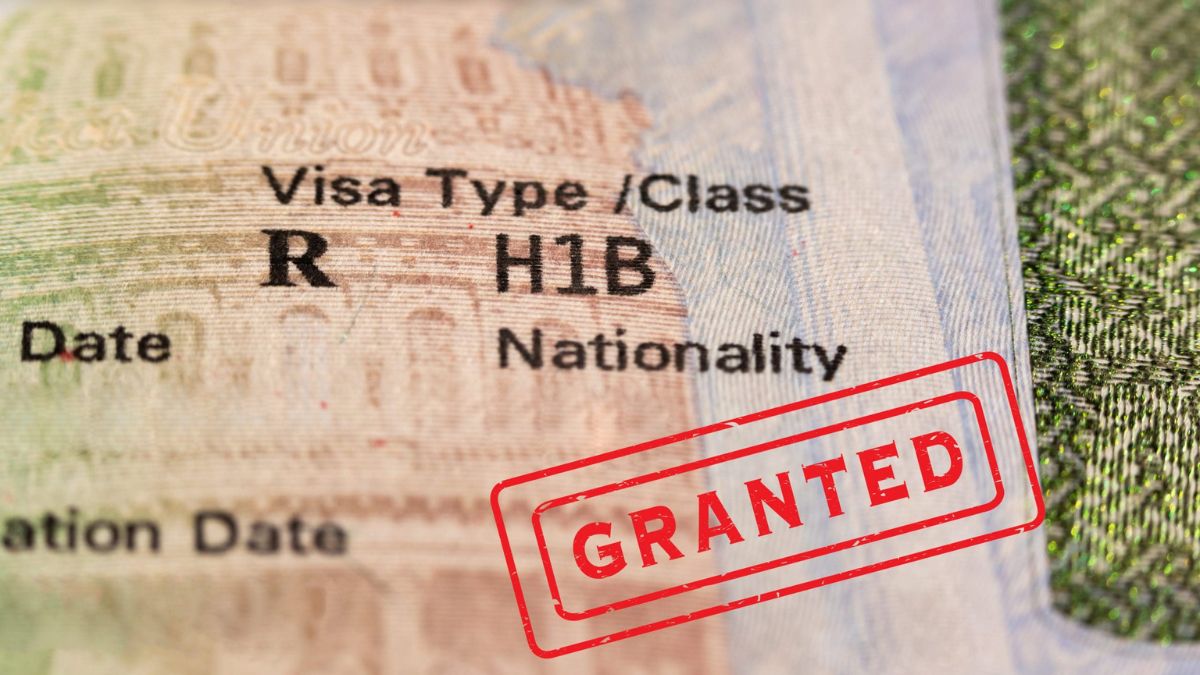
The United States is preparing to introduce one of the most consequential changes to its H-1B visa programme in decades, fundamentally reshaping how scarce work visas are allocated.
Moving away from a purely random lottery system, the new framework will prioritise higher-paid and higher-skilled foreign workers through a wage-weighted selection process, marking a clear shift in policy intent, reported Moneycontrol.
The final rule, issued by the Department of Homeland Security (DHS) and to be implemented by the US Citizenship and Immigration Services (USCIS), will come into effect from the FY2027 H-1B cap season. It follows an earlier $100,000 H-1B fee hike and signals a broader tightening and reorientation of the programme.
“This weighted selection process will generally favour the allocation of H-1B visas to higher-skilled and higher-paid aliens, while maintaining the opportunity for employers to secure H-1B workers at all wage levels,” the DHS said in the final rule.
Why This Change Matters - Especially for Indians
The revamp carries particular significance for Indian professionals and employers. Indians account for roughly 70-75 per cent of H-1B visas issued annually, making them the single largest beneficiary group under the programme. With the lottery now tilted towards higher wage levels, experienced professionals, senior engineers and highly specialised talent are expected to gain an advantage.
Conversely, lower-paid and entry-level roles, often used by consulting firms and staffing companies, may find it increasingly difficult to clear the annual cap. While the rule does not shut out such roles entirely, it materially changes the odds in favour of higher compensation brackets.
How the Wage-Weighted Lottery Will Work
The annual H-1B cap itself remains unchanged. The US continues to issue 65,000 visas under the regular quota, along with an additional 20,000 visas reserved for applicants holding a US master’s degree or higher. This keeps the total annual intake at 85,000 new H-1B visas.
What changes is how these visas are allocated when applications exceed supply, a situation that has persisted for more than a decade.
Under the revised system, registrations will be weighted based on Occupational Employment and Wage Statistics levels:
Wage Level IV registrations will be entered into the lottery four times
Wage Level III registrations three times
Wage Level II registrations twice
Wage Level I registrations once
Each beneficiary will still count only once towards the annual quota, but higher wage offers will significantly increase the probability of selection.
DHS said the change better reflects congressional intent behind the H-1B programme, which was designed to help US employers fill roles requiring specialised skills rather than serve as a pipeline for lower-paid labour.
“Pure randomisation does not serve the ends of the H-1B programme,” the department said, adding that wage-based weighting better captures skill and economic value.
What Prompted the Policy Shift
According to DHS, demand for H-1B visas has consistently outstripped supply for over a decade, exposing the limitations of a purely random selection process.
Officials argue that the old system failed to distinguish between high-value, innovation-driven roles and lower-paid positions.
By using wage levels as a proxy for skill and economic contribution, the new system aims to steer outcomes towards roles more likely to support productivity, competitiveness and innovation, while also reducing the risk of wage suppression for US workers.
Higher Compliance Burden for Employers
The overhaul also raises compliance expectations for employers. Companies will now be required to declare wage levels, job classification codes and work locations at the registration stage itself.
At the petition stage, documentary evidence must be submitted to support these claims.
USCIS will be granted broader authority to deny or revoke petitions if it identifies attempts to manipulate wages, roles or locations to improve lottery odds. DHS said these measures are intended to prevent gaming of the system and strengthen programme integrity.
Change Comes Amid Broader Visa Uncertainty
The new lottery design arrives at a time of heightened uncertainty for foreign workers. H-1B and H-4 visa holders have recently faced longer visa interview timelines after the US expanded social media and online presence checks to all applicants worldwide.
Several major technology firms, including Google, Microsoft and Apple, have cautioned employees on work visas against international travel due to the risk of prolonged processing delays.
Legal experts say the combination of tighter vetting and a redesigned lottery reflects a clear policy direction, prioritising higher-value roles while curbing perceived misuse of the programme.
What Remains Unchanged
Despite the shift, DHS emphasised that the lottery will retain an element of randomness and will not exclude lower-wage roles entirely. Earlier proposals that sought to rank applications strictly by wage were withdrawn after criticism.
The department said the current balance preserves access for employers across sectors, while nudging the programme towards higher-skilled, higher-paid use cases that better align with the original purpose of the H-1B visa.