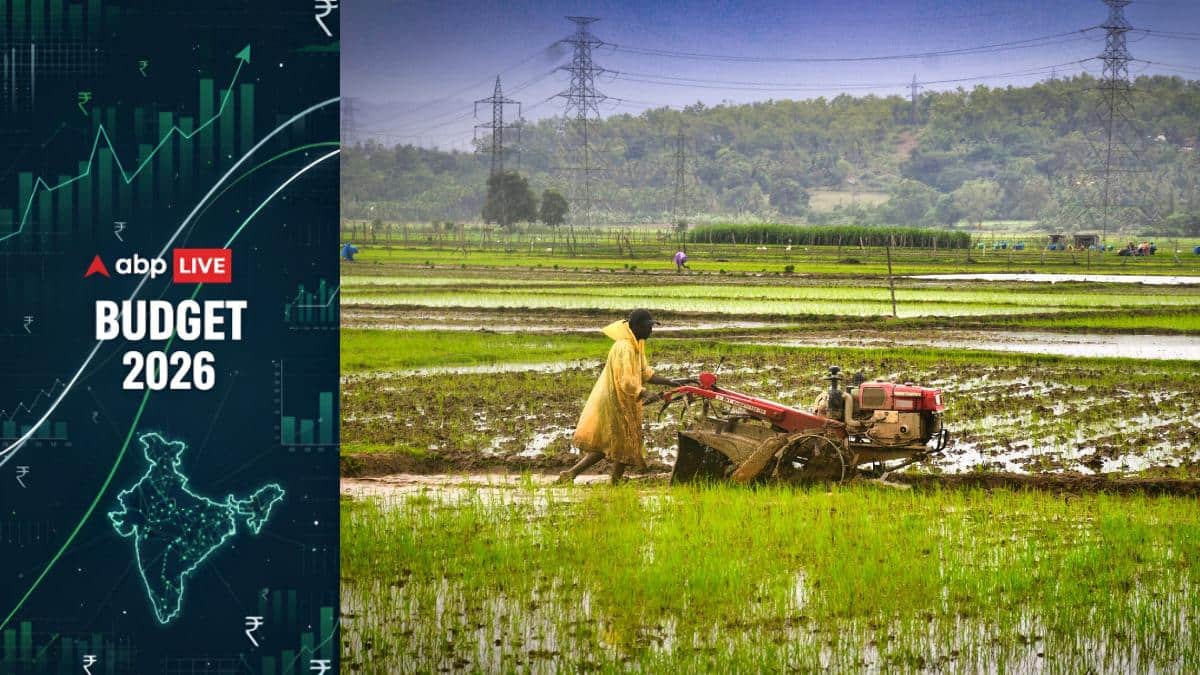
Budget 2026 Expectations: As India approaches the Union Budget 2026-27, set for presentation on February 1, the agriculture sector stands at a critical juncture. Employing nearly half the workforce and ensuring food security for 1.4 billion people, it remains the backbone of the economy, yet it grapples with persistent challenges like fragmented landholdings, water stress, post-harvest losses, and lagging farmer incomes. In recent years, the sector has been marred by political turbulence, particularly since the introduction and subsequent repeal of the three farm laws in 2020-21.
These laws, aimed at liberalising trade, pricing, and storage, sparked massive protests across Punjab, Haryana, and Uttar Pradesh, drawing hundreds of thousands of farmers to Delhi's borders in what became one of the largest sustained agitations in modern India. Farmers feared the erosion of minimum support prices (MSP) and increased corporate dominance, leading to over a year of demonstrations that highlighted deep-seated grievances.
The Bharatiya Janata Party (BJP)-led government, under Prime Minister Narendra Modi, eventually suspended and repealed the laws in November 2021, a rare policy retreat amid electoral pressures in states like Uttar Pradesh.
However, this concession did little to assuage broader discontent; farmer sentiments remain sour, with ongoing demands for legal MSP guarantees and debt relief fueling sporadic marches, such as those in 2024.
There are credible arguments that the Modi administration has lacked decisiveness in agriculture, prioritising infrastructure and manufacturing over path-breaking reforms in farming. Despite initiatives like the Agriculture Infrastructure Fund (AIF) launched in 2020 with Rs 1 trillion in loans, implementation has been patchy, leaving agricultural produce markets (APMCs) in disrepair and futures trading suspended since 2021, deterring private investment.
Politically, this neglect risks alienating rural voters with time, a key BJP constituency, especially as global uncertainties, from trade wars to climate shocks, amplify the sector's strategic importance. Economically, agriculture's projected 3.1% growth in 2025-26 lags behind the overall 7% GDP target, underscoring the need for bold fiscal interventions.
Budget 2026 offers a chance to recalibrate, blending political economy with fiscal prudence: boosting credit, modernising infrastructure, and aligning policies with nutritional and ecological needs. Yet, with pre-Budget consultations emphasizing sustainable development, the question looms, will farmers finally see transformative support, or will they be sidelined again in the pursuit of 'Viksit Bharat'?
Lingering Shadows of the Farm Laws and Farmer Discontent
The repeal of the farm laws marked a pivotal moment, but it has not healed the rift between farmers and the BJP government. Protests erupted over fears that the laws would dismantle the MSP regime, exposing smallholders to market volatility and corporate exploitation.
Post-repeal analyses in 2025, including social media sentiment studies, reveal mixed perceptions: while some viewed it as a victory for democratic mobilisation, many farmers express ongoing frustration over unfulfilled promises like MSP legal guarantees.
In states like Madhya Pradesh, where Union Agriculture Minister Shivraj Singh Chouhan hails from, expectations run high for fair deals, yet rural distress persists with incomes trailing non-farm wages by 40-50%.
Politically, the BJP's handling has been criticised for lacking vision. Modi's administration suspended futures trading in 2021 to curb inflation, but research from institutions shows no clear link; instead, it stifled private storage and infrastructure investments. This indecisiveness contrasts with decisive actions in other sectors, like the Rs 10-11 trillion infrastructure push.
Economically, the sector's distortions, overemphasis on cereals via MSP and state bonuses, have shrunk pulses cultivation from 28.83 million hectares in 2020-21 to 26.5 million in 2023-24, exacerbating nutritional imbalances where carbs constitute 62-70% of caloric intake against the recommended 45-55%. Budget 2026 must address this by revisiting MSP policies to promote diversified cropping, or risk perpetuating a cycle of protests and policy U-turns.
Structural Challenges and Infrastructure Deficits
India's agriculture faces entrenched issues that Budget 2026 must tackle head-on. Fragmented holdings, water inefficiency, and post-harvest losses estimated at 15-20% annually hinder productivity. APMCs, the lifeline for secondary trade, remain outdated; even national hubs like Azadpur and Vashi fall short of global standards, with no direct Union funding despite the AIF's Rs 1 trillion loan scheme. Rice production has ballooned to 150 million tonnes in 2024-25, but much is diverted to ethanol, distorting markets and ecology.
From a political economy lens, the BJP's focus on welfare over investment has left farmers vulnerable. Opposition parties like Congress in states such as Chhattisgarh and Telangana offer paddy bonuses, creating national imbalances. Economically, underdeveloped food processing in India processes only 10% of output versus 30-70% in peers like Brazil, limiting value addition and exports.
Unpredictable export bans and high logistics costs due to poor cold chains further constrain growth. Pre-Budget talks highlight the need for outcome-linked subsidies over blanket inputs, rewarding water efficiency and tech adoption. For Budget 2026, direct investments in modernising two model APMCs and lifting futures suspensions could attract private capital, fostering resilience amid global trade shifts like US tariffs on Indian exports.
Without this, the sector risks being left behind in India's growth story.
Key Expectations for Fiscal and Policy Support
Stakeholders anticipate Budget 2026 to elevate agriculture from a welfare domain to a growth engine. A 15-20% hike in credit targets, to over Rs 36 lakh crore for agriculture and Rs 6 lakh crore for allied sectors like dairy and fisheries, aims to boost rural demand and consumption. This builds on NABARD's projection of exceeding FY26's Rs 32.5 lakh crore target, with 60% for short-term loans at subsidized 7% interest. Rice exporters seek tax breaks and organic promotion to enhance high-value exports.
Politically, the Modi government, facing rural voter scrutiny, may prioritise these amid coalition dynamics. Economically, investments in agri-logistics, cold chains, and MSME clusters for food processing are crucial to integrate with global chains, especially as food becomes a strategic asset in trade wars. Calls for a unified vision include climate-secure reforms, data-led decisions, and export schemes for processed foods and seafood, which have shown adaptability by diversifying markets post-US tariffs.
Pre-Budget consultations with farmer groups emphasise sustainable growth, but experts warn against short-term populism; instead, align MSP with nutritional needs to reverse pulses' decline. If Budget 2026 delivers on these, perhaps through a dedicated fund for market reforms, it could catalyse 4-5% sectoral growth, bridging urban-rural divides.
Political Economy Implications and the Road Ahead
Budget 2026's agriculture allocations will test the BJP's commitment to rural India, especially post-farm laws backlash. The repeal emboldened movements, signalling that sustained protests can force policy shifts, yet without follow-through, it risks eroding trust. In Madhya Pradesh and beyond, farmers demand MSP legal backing, viewing the budget as a litmus test for Modi's 'Viksit Bharat'. Opposition, like the Indian National Congress, could capitalise on any shortfall, amplifying calls for welfare expansions.
Economically, amid global uncertainties, agriculture's resilience, growing during pandemics while others faltered, positions it as a forex earner via diversified exports in millets, spices, and seafood. However, without reforms like clear futures policies and infrastructure upgrades, India risks missing opportunities in a tariff-laden world.
A balanced approach: shift from subsidies to incentives for efficiency, potentially saving Rs 1-2 lakh crore annually while boosting incomes 20-30% through value addition. Ultimately, Budget 2026 must weave political responsiveness with economic foresight, ensuring agriculture fuels inclusive growth, or face renewed agrarian unrest in an election cycle.
(Ghosh is the author of The Aam Aadmi Party: The Untold Story of a Political Uprising and Its Undoing. He is on X as @sayantan_gh)