
SEARCH

    Language Settings
    Select Website Language

    GDPR Compliance

    We use cookies to ensure you get the best experience on our website. By continuing to use our site, you accept our use of cookies, Privacy Policies, and Terms of Service.

    Are You Sleep Deprived? Doctor Explains Warning Signs Your Body Is Begging For Rest

    2 hours ago

    Constant tiredness has become so normalised that many people don’t realise their body is actually struggling. Sleep deprivation doesn’t always appear dramatically—it starts with subtle, easy-to-miss hints. Offering expert clarity on how sleep loss affects the body and what to do about it, Dr Lancelot Pinto, Consultant Pulmonologist and Epidemiologist at P. D. Hinduja Hospital & Medical Research Centre, Mahim, breaks down the signs your body is quietly sending.

    ALSO READ: What Is Ayurveda Face Mapping? How Your Face Reveals Hidden Health Issues

    The Easily Missed Warning Signs Your Body Gives You

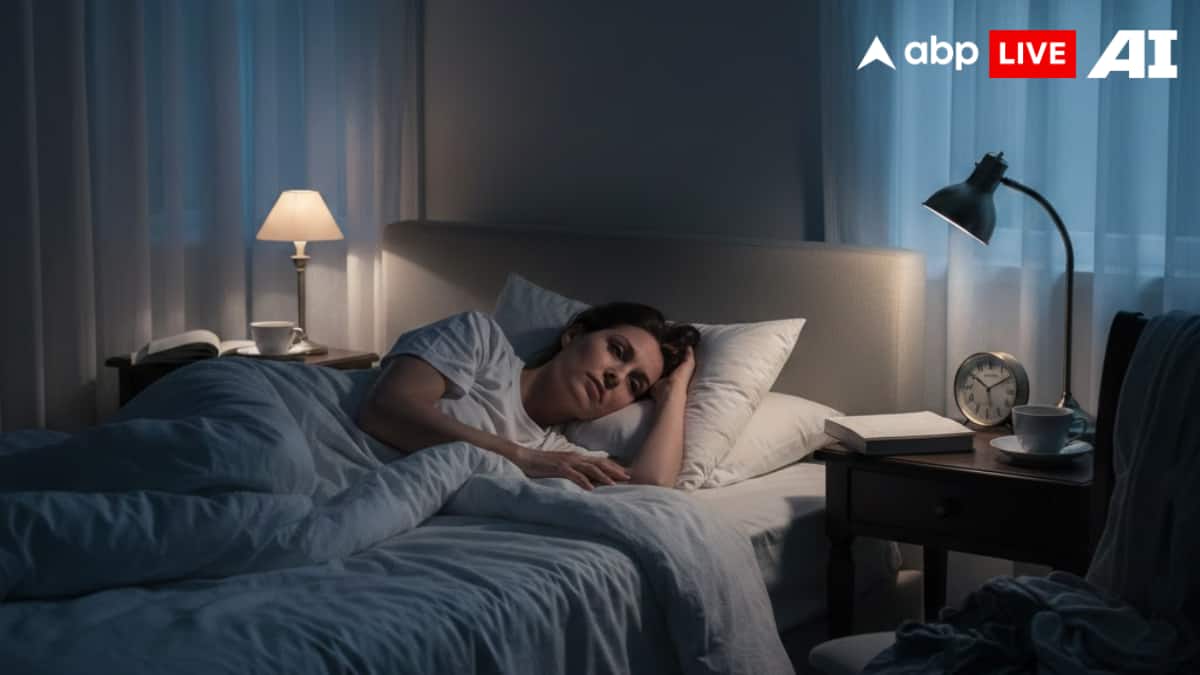
    (Image Source: ABPLIVE AI)
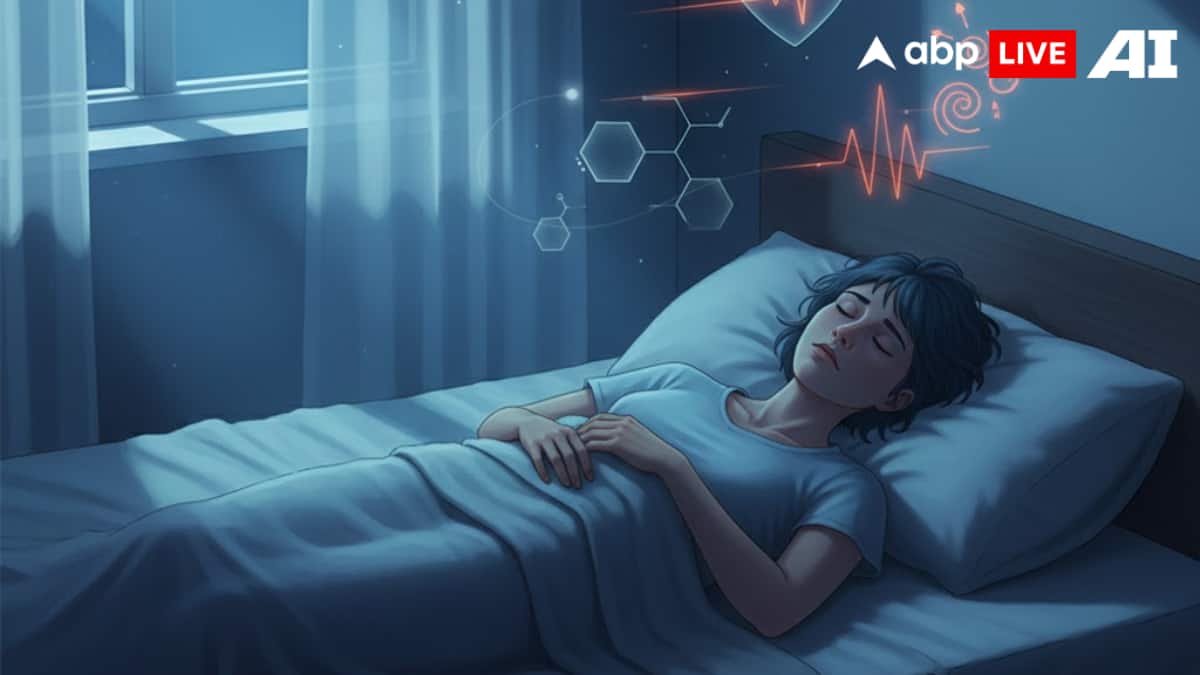
    (Image Source: ABPLIVE AI)

    One of the biggest misconceptions is believing daytime sleepiness is normal. As Dr Pinto says, “People fail to appreciate that when one is adequately rested, it is very difficult to fall asleep during the day.”

    He adds that when someone naps easily, especially for over an hour, it’s a sign that the quality or quantity of nighttime sleep is inadequate.

    But the danger becomes more obvious in low-stimulation situations. “People fall asleep in circumstances where there is not much stimulation, for example, sleeping as a passenger in a taxi, car, or public transport.”

    In more severe cases, these lapses occur during risky moments. “A sign of significant sleep deprivation is falling asleep in circumstances where one should definitely not fall asleep, during important meetings, presentations, while driving, or in situations in which they have harmed themselves.”

    These, he warns, should never be ignored.

    When Poor Sleep Becomes A Medical Threat

    (Image Source: ABPLIVE AI)
    (Image Source: ABPLIVE AI)

    Sleep deprivation isn’t just about feeling tired, it can deeply affect long-term health. Dr Pinto stresses that “the quality and quantity of sleep have both been linked to several metabolic and cardiovascular diseases.”

    Conditions like high blood pressure, early cardiac disease, diabetes, and cholesterol problems could all hint at inadequate sleep.

    It becomes an urgent medical concern when safety is involved. “Sleep becomes a medical concern when people put themselves in harm’s way, for example, while driving or operating machinery.”

    He adds that for caregivers, pilots, drivers, or healthcare workers, falling asleep mid-task could put many lives at risk.

    Even those who sleep 7–8 hours may still wake up exhausted. According to Dr Pinto, “When a person reports feeling sleepy despite getting an adequate quantity of sleep, it is likely that there is an issue with the quality of sleep.”

    This can be caused by poor sleep environments, loud snoring, or disorders like sleep apnea. “When people snore loudly or choke in the middle of their sleep, it could be a sign of sleep apnea.”

    Lifestyle triggers also worsen sleep quality. “Stimulants can interfere with the quality of sleep, such as caffeine, chocolate, and exposure to bright lights, before going to sleep.”

    Even alcohol, he warns, “results in very poor-quality sleep.”

    How To Repair Your Sleep Cycle Starting Tonight

    (Image Source: ABPLIVE AI)
    (Image Source: ABPLIVE AI)

    If you want to reset your sleep routine, Dr Pinto recommends starting with consistency. “Ensuring that one sleeps at the same time every day and tries to wake up at the same time helps in regularizing the sleep–wake cycle.”

    He strongly advises avoiding backlit devices before bed and cutting down caffeine.

    Exercise helps, but only earlier in the day. “It can actually stimulate a person and interfere with sleep quality if done in the second half of the day.”

    Better sleep also depends on physical comfort like, cool room temperature, dim lighting, loose clothing, and a lighter dinner with a gap before bedtime.

    If a partner reports loud snoring, he warns, a sleep study should not be ignored.

    Burnout symptoms can also overlap with sleep deprivation. “It is very difficult to distinguish poor mental health, from fatigue resulting from poor sleep.”

    So sleep must be evaluated before assuming a mental health cause.

    In the long run, poor sleep can be extremely harmful. “A disease like sleep apnea has been strongly associated with high blood pressure, stroke, insulin resistance, altered cholesterol levels, and heart disease.”

    He adds that irritability, anxiety, and depression are strongly linked to poor sleep too.

    [Disclaimer: The information provided in the article is shared by experts and is intended for general informational purposes only. It is not a substitute for professional medical advice, diagnosis, or treatment. Always seek the advice of your physician or other qualified healthcare provider with any questions you may have regarding a medical condition.]

    Click here to Read More
    Previous Article
    Boost for IAF: Tata - Lockheed Martin announce new defence MRO facility in India; to service C-130J aircraft
    Next Article
    Bigg Boss 19 Finalist Tanya Mittal On Being Labelled ‘Fake’: ‘I Am Too Much And I Own It’

    Related Health Updates:

    Comments (0)

      Leave a Comment