Welcome to DailyAdda News (“we”, “our”, “us”). By downloading, accessing, or using the DailyAdda News mobile app or website, you agree to the following Terms & Conditions. Please read them carefully.
🔹 1. Use of the App
DailyAdda News provides:
Bengali, Hindi & English news
RSS-based headlines
Short summaries
External links to publishers
Local updates, alerts & information
You agree:
To use the app legally
Not to misuse or interfere with its services
Not to copy, distribute or republish our summary content without permission
🔹 2. Content Sources & Copyright
DailyAdda News shows:
Headlines
Short rewritten summaries
Source credit
Link to original article
We do not claim ownership of original articles from external publishers.
You must access full articles on the publisher’s website. External content belongs to respective copyright holders.
🔹 3. User Conduct
You agree not to:
Harm or disrupt the app
Attempt unauthorized access
Upload harmful material
Scrape data or automate requests
Use the app for political manipulation or spreading misinformation
🔹 4. Third-Party Services
DailyAdda News uses:
External RSS feeds
Third-party news websites
Google AdMob
Analytics services
We are not responsible for:
Accuracy of external content
Availability of third-party websites
Their privacy policies or terms
🔹 5. Notifications
DailyAdda News may send:
Breaking news alerts
Job alerts
Local city updates
Weather warnings
You may disable notifications anytime in device settings.
🔹 6. No Guarantee of Accuracy
News is subject to change. We try to provide accurate updates but:
We do not guarantee 100% accuracy
We are not responsible for errors or delays
Users should verify important news directly from official sources
🔹 7. Advertisements
DailyAdda displays ads through:
Google AdMob
Other ad partners
We are not responsible for:
Content of ads
Actions taken on third-party ad pages
🔹 8. Limitation of Liability
DailyAdda News is not liable for:
Data loss
App downtime
Incorrect or outdated news
Third-party website actions
Financial, personal, or business loss caused by news content
Use the app at your own risk.
🔹 9. Changes to the Service
We may modify:
Features
Categories
App layout
Terms & Conditions
We can also suspend or discontinue parts of the service.
We use cookies to ensure you get the best experience on our website. By continuing to
use our site, you accept our use of cookies, Privacy Policies, and Terms of Service.
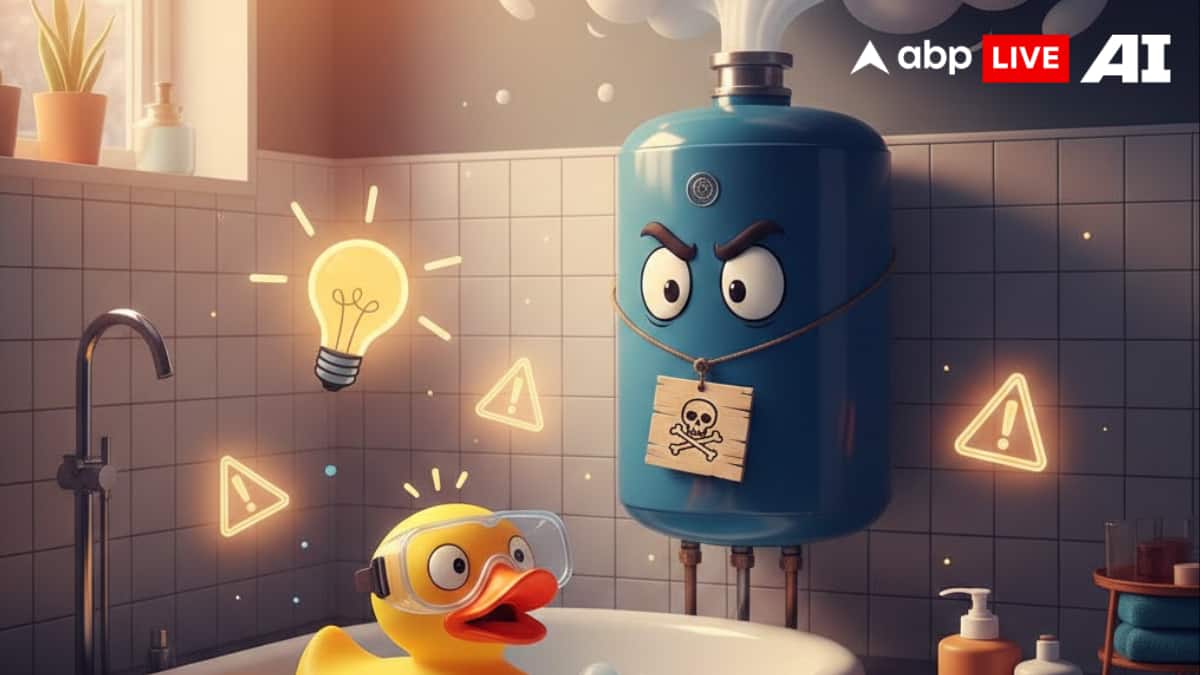
As the temperatures drop and geysers start running for longer hours, most households unknowingly push their water heaters to the edge. A small ault can rapidly turn into a dangerous situation like steam explosions, electrical short circuits, fires, and severe scalding are real risks many people underestimate. Winter is when geyser-related accidents spike, simply because early signals go unnoticed. Before your geyser enters peak use this season, checking a few key signs can make all the difference between a safe winter and a life-threatening emergency.
Below are five critical warning signs that you must never ignore, even for a day.
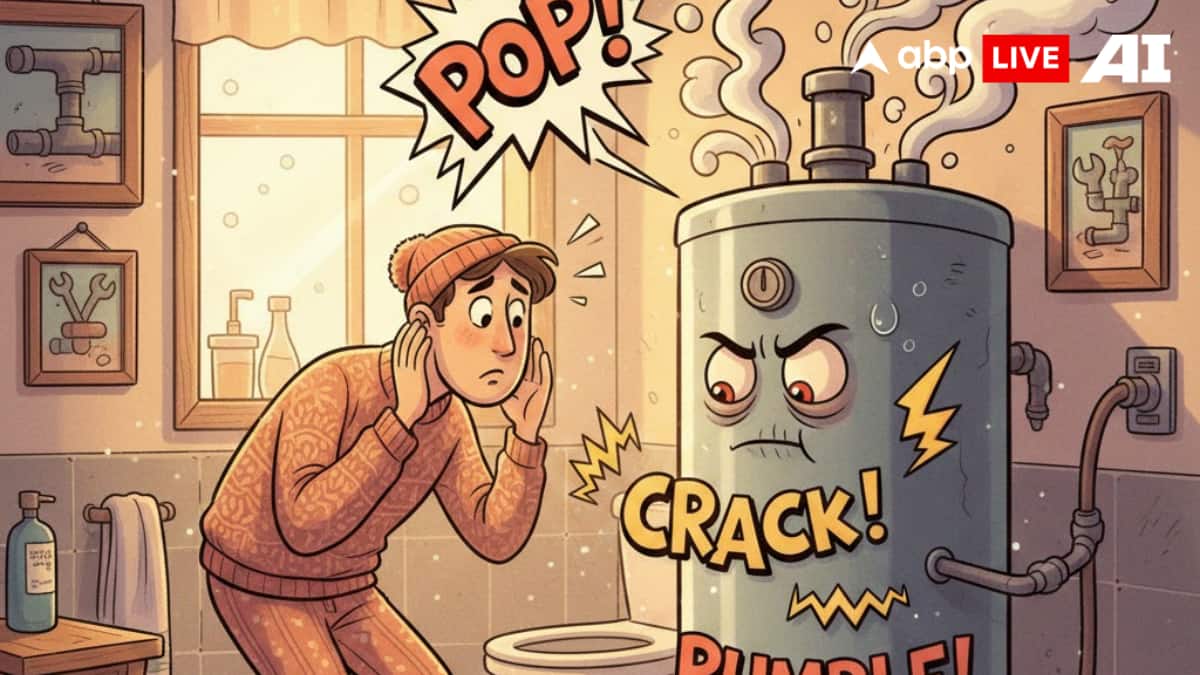
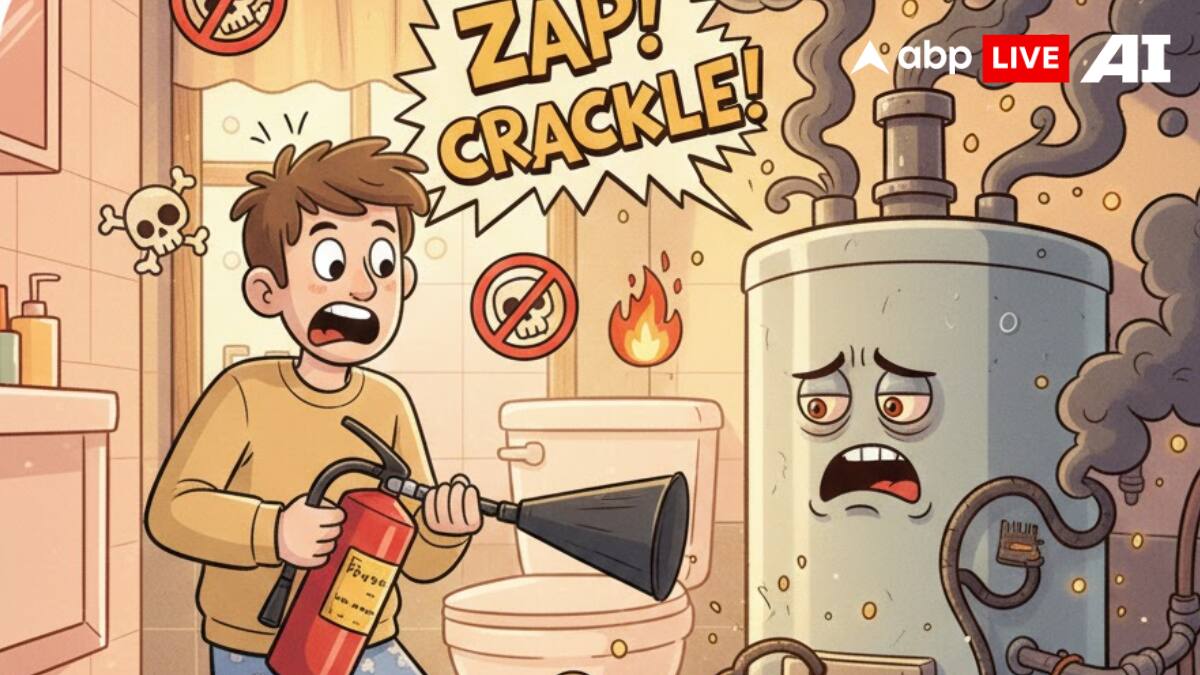
If your geyser has suddenly become vocal, making popping, cracking, or rumbling sounds, it’s a major red flag. These noises often signal sediment buildup, a common winter issue when geysers work harder and heat water for longer durations. When minerals collect at the bottom, they form a barrier that traps heat inside the tank. This causes internal pressure to rise and the metal surface to overheat, leading to loud rumbling or snapping sounds. Hissing noises indicate possible steam leaks or contact between hot elements and water pockets. Ignoring these sounds can cause heating elements to burn out or the tank to crack under extreme pressure. A noisy geyser is essentially warning you about impending failure, and delaying servicing here can escalate into dangerous overheating or even a minor explosion.
2. Water Leakage Around The Geyser
(Image Source: ABPLIVE AI)
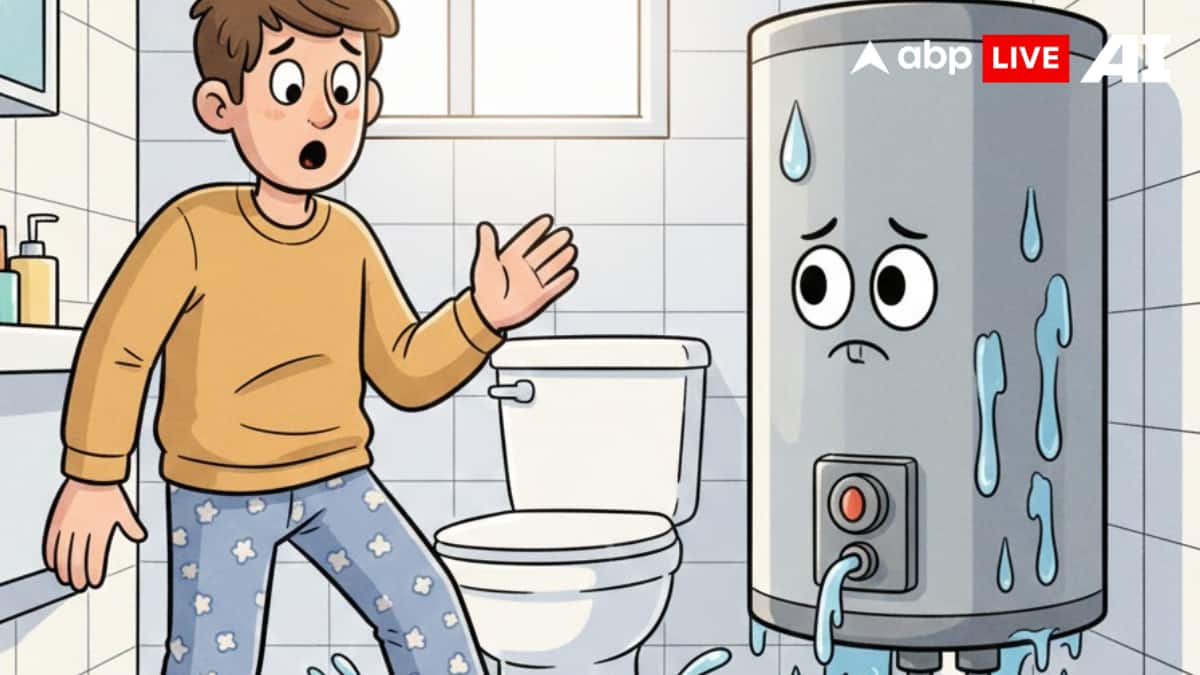
Even a tiny, steady drip near your geyser is never “normal.” Water leakage from valves, pipes, joints, or the tank itself is one of the most dangerous warning signs, especially in winter when geysers run nonstop. Small leaks usually indicate corrosion, weak joints, damaged seals, or pressure build-up inside the geyser. As water slowly escapes, it can reach electrical components, triggering short circuits or sparking, which may lead to a fire. Leaks can also accelerate tank damage. Many households unknowingly keep using a leaking geyser, assuming it will manage for a few more days. If you spot moisture, stains, puddles, or dampness near the geyser, turn it off instantly and get it inspected before using it again this winter.
3. Overheating Or Water Turning Extremely Hot Suddenly
(Image Source: ABPLIVE AI)
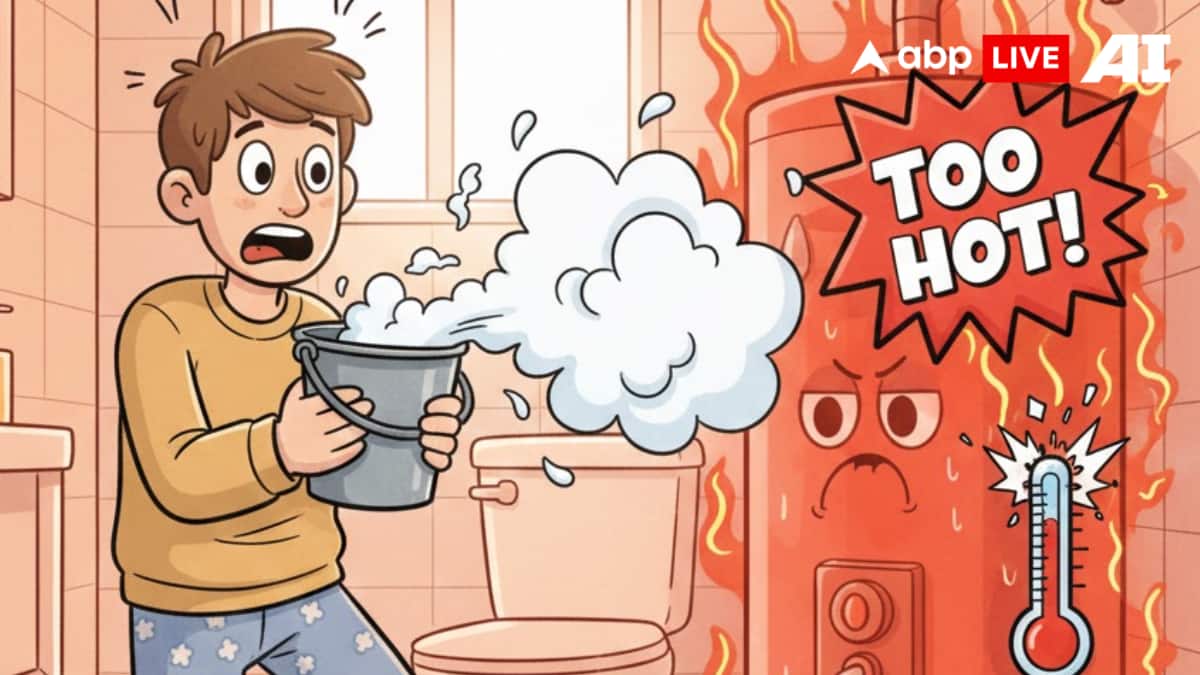
Sudden overheating, water turning scalding within seconds or temperature fluctuating sharply, is a serious indicator that your thermostat may be malfunctioning. The thermostat regulates how hot the water should get, and once it fails, the geyser may continue heating without stopping. This can result in extreme pressure build-up, putting both the geyser and your household at major risk. Overheating also ruins internal components, burns heating elements, and increases the chances of a dangerous steam burst. If your geyser water feels unpredictably hot, or if the safety switch trips often, consider it a high-risk winter warning. Children and elderly individuals are especially vulnerable to scalding injuries. This is a clear sign that the geyser is not regulating heat properly and requires immediate servicing before it causes severe burns or tank damage.
4. Burning Smell, Sparking, Or Discoloured Wires
(Image Source: ABPLIVE AI)
A burning smell near your geyser should be treated like an emergency. It usually points to overheated wiring, loose electrical connections, or damaged insulation. Winter increases electrical load, and faulty wiring inside or around the geyser can quickly escalate into electrical fires, one of the most common causes of home accidents. If you notice sparking, blackened marks, melted plastic smell, or flickering indicator lights, switch off the geyser at the circuit board immediately. Damaged wires also mean the geyser is not receiving a steady power supply, which can cause erratic heating, shock risks, or internal short circuits. Many people ignore early signs until the system completely fails. But by then, it may already be dangerous.
5. Delayed Heating Or Water Staying Lukewarm
(Image Source: ABPLIVE AI)
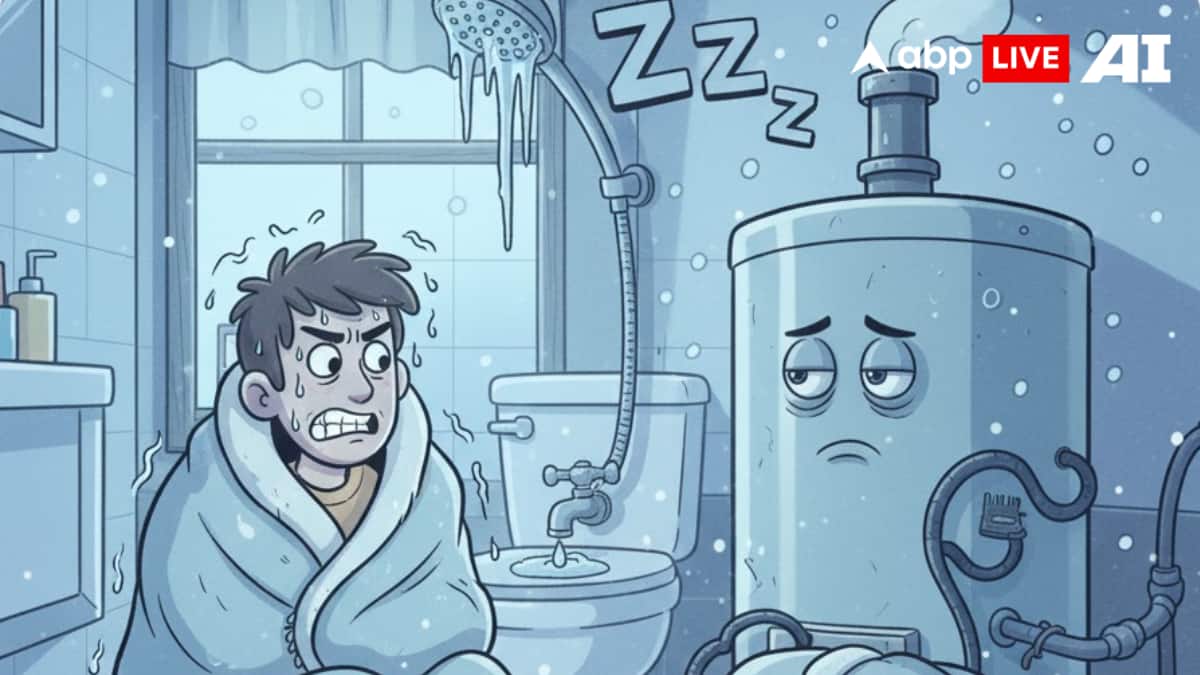
If your geyser is taking much longer than usual to heat water or the water is staying lukewarm despite extended operation, it is signalling an internal problem. Slow heating often means heating element failure, sediment accumulation, thermostat malfunction, or reduced efficiency due to prolonged winter load. When a geyser struggles to heat water, it works harder, drawing more electricity and operating at higher stress levels. This puts the tank and electrical components under strain, increasing the chances of sudden failure. Using such a geyser continuously may cause overheating, internal burns to the heating coil, or excessive pressure buildup. If your geyser’s performance has dropped, it’s time for a full inspection before winter peaks.