Welcome to DailyAdda News (“we”, “our”, “us”). By downloading, accessing, or using the DailyAdda News mobile app or website, you agree to the following Terms & Conditions. Please read them carefully.
🔹 1. Use of the App
DailyAdda News provides:
Bengali, Hindi & English news
RSS-based headlines
Short summaries
External links to publishers
Local updates, alerts & information
You agree:
To use the app legally
Not to misuse or interfere with its services
Not to copy, distribute or republish our summary content without permission
🔹 2. Content Sources & Copyright
DailyAdda News shows:
Headlines
Short rewritten summaries
Source credit
Link to original article
We do not claim ownership of original articles from external publishers.
You must access full articles on the publisher’s website. External content belongs to respective copyright holders.
🔹 3. User Conduct
You agree not to:
Harm or disrupt the app
Attempt unauthorized access
Upload harmful material
Scrape data or automate requests
Use the app for political manipulation or spreading misinformation
🔹 4. Third-Party Services
DailyAdda News uses:
External RSS feeds
Third-party news websites
Google AdMob
Analytics services
We are not responsible for:
Accuracy of external content
Availability of third-party websites
Their privacy policies or terms
🔹 5. Notifications
DailyAdda News may send:
Breaking news alerts
Job alerts
Local city updates
Weather warnings
You may disable notifications anytime in device settings.
🔹 6. No Guarantee of Accuracy
News is subject to change. We try to provide accurate updates but:
We do not guarantee 100% accuracy
We are not responsible for errors or delays
Users should verify important news directly from official sources
🔹 7. Advertisements
DailyAdda displays ads through:
Google AdMob
Other ad partners
We are not responsible for:
Content of ads
Actions taken on third-party ad pages
🔹 8. Limitation of Liability
DailyAdda News is not liable for:
Data loss
App downtime
Incorrect or outdated news
Third-party website actions
Financial, personal, or business loss caused by news content
Use the app at your own risk.
🔹 9. Changes to the Service
We may modify:
Features
Categories
App layout
Terms & Conditions
We can also suspend or discontinue parts of the service.
We use cookies to ensure you get the best experience on our website. By continuing to
use our site, you accept our use of cookies, Privacy Policies, and Terms of Service.
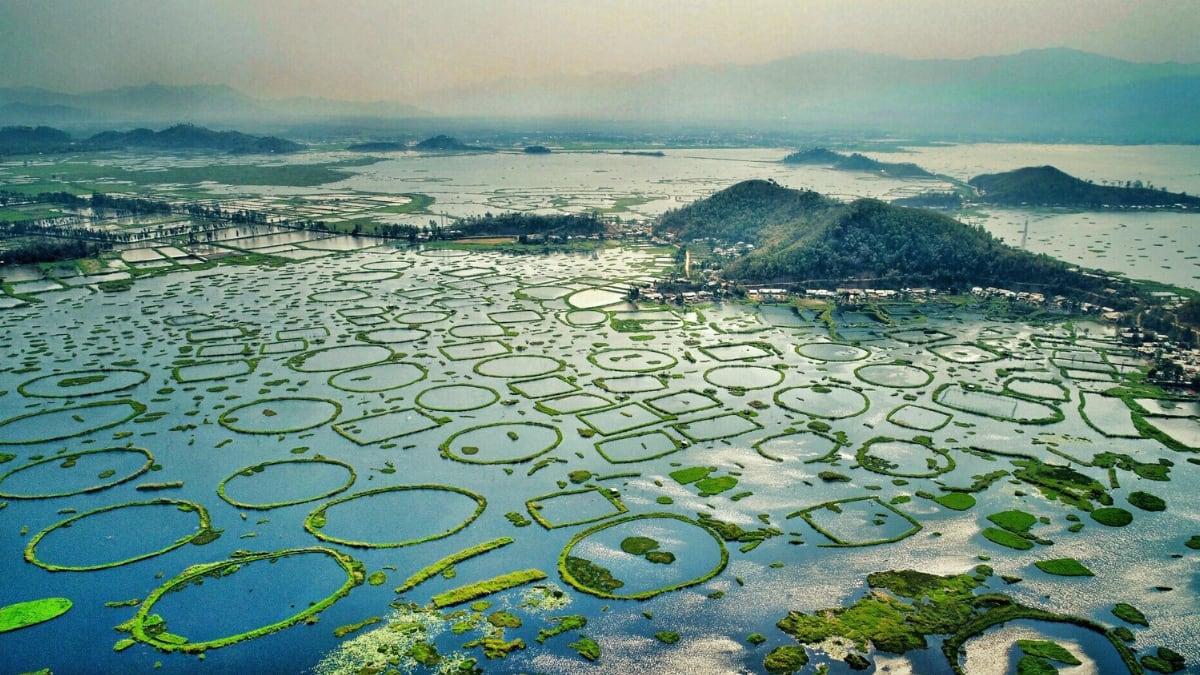
Perched on the mesmerising Loktak Lake in Manipur, Keibul Lamjao National Park is one of India'a most astonishing natural wonders. What makes it extraordinary, is its foundation. The park floats on giant masses of vegetation known as phumdis, forming lush green carpetlike islands that drift gently on the lake's surface.
With rare wildlife, breathtaking landscapes, and an ecological story unlike any other place in the world, Keibul Lamjao has become a bucketlist destination for nature lovers, photographers, and curious travellers.
Keibul Lamjao is the world’s only floating national park, spread across approximately 40 sq km on Loktak Lake. The famous phumdis, thick, floating biomass, create natural platforms strong enough to support wildlife and vegetation.
These floating meadows shift with the seasons, giving the entire park an ethereal, living quality.
The surrounding Loktak Lake is often called the "Lifeline of Manipur" because of its cultural, ecological, and economic importance.
Home Of The Rare And Graceful Sangai Deer
Meet the Graceful Jewel of Manipur – The Sangai Deer! Found only in the floating swamps of Keibul Lamjao National Park, the Sangai isn’t just a deer — it’s a symbol of Manipur’s soul. 🦌 pic.twitter.com/ePkWkL1WGK
Keibul Lamjao is celebrated as the last natural habitat of the Sangai, Manipur’s state animal and one of the world’s most endangered deer species.
Also called the “dancing deer”, the Sangai moves gracefully across the soft floating islands, creating a sight that feels almost unreal.
Spotting the Sangai during early morning or late afternoon is one of the biggest attractions of the park.
Top Things To Do At Keibul Lamjao National Park
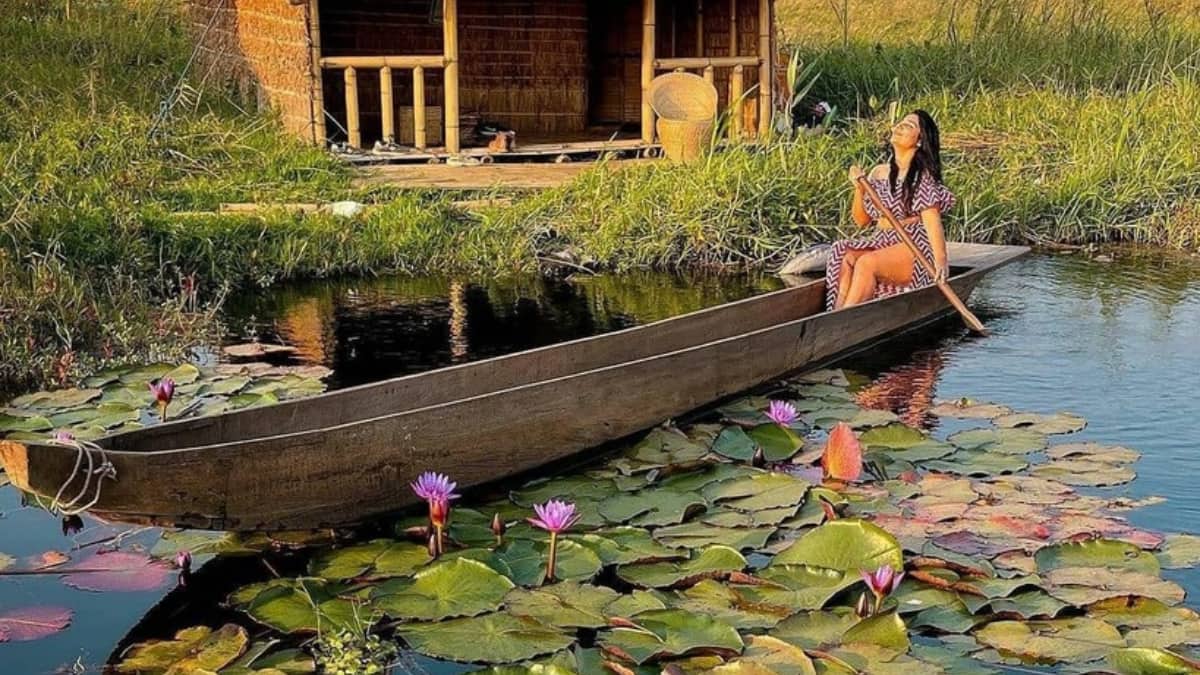
Take A Boat Ride On Loktal Lake
(Image Source: Twitter/@SagirAhmed98)
One of the best ways to experience Keibul Lamjao is by gliding across Loktal Lake on a boat or canoe. Boats allow visitors to observe the floating phumdis up close, while spotting waterfowl, migratory birds, and sometimes even the elusive Sangai deer near the edges of the islands. Local guides share fascinating stories about the lake’s ecology, its fishing communities, and the rare flora that thrives on the phumdis. Early morning or late afternoon rides are particularly enchanting, with soft sunlight filtering through mist over the water.
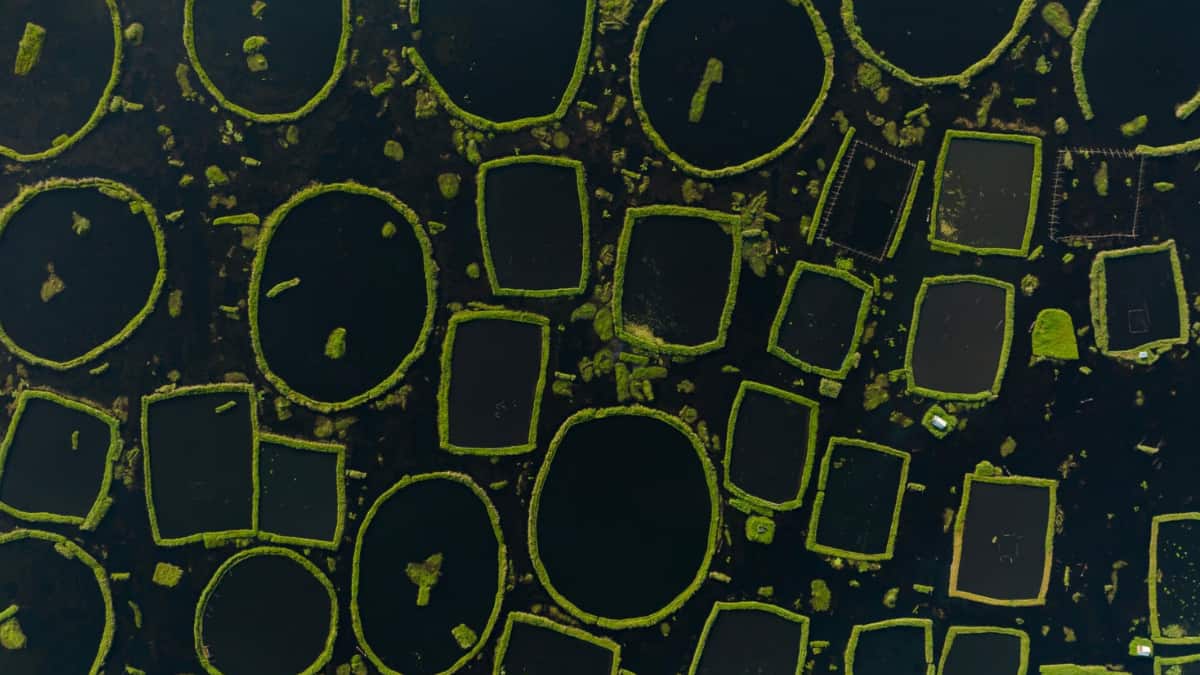
Walk On The Floating Phumdis
(Image Source: Twitter/@NatureIn_Focus)
For the adventurous traveller, walking on thick phumdis is a once-in-a-lifetime experience. These floating mats of vegetation are surprisingly strong and form the very foundation of the park’s ecosystem. Visitors can carefully step onto the phumdis under guidance, feeling the gentle sway beneath their feet while observing the delicate water plants, birds, and small wildlife inhabiting the floating islands.
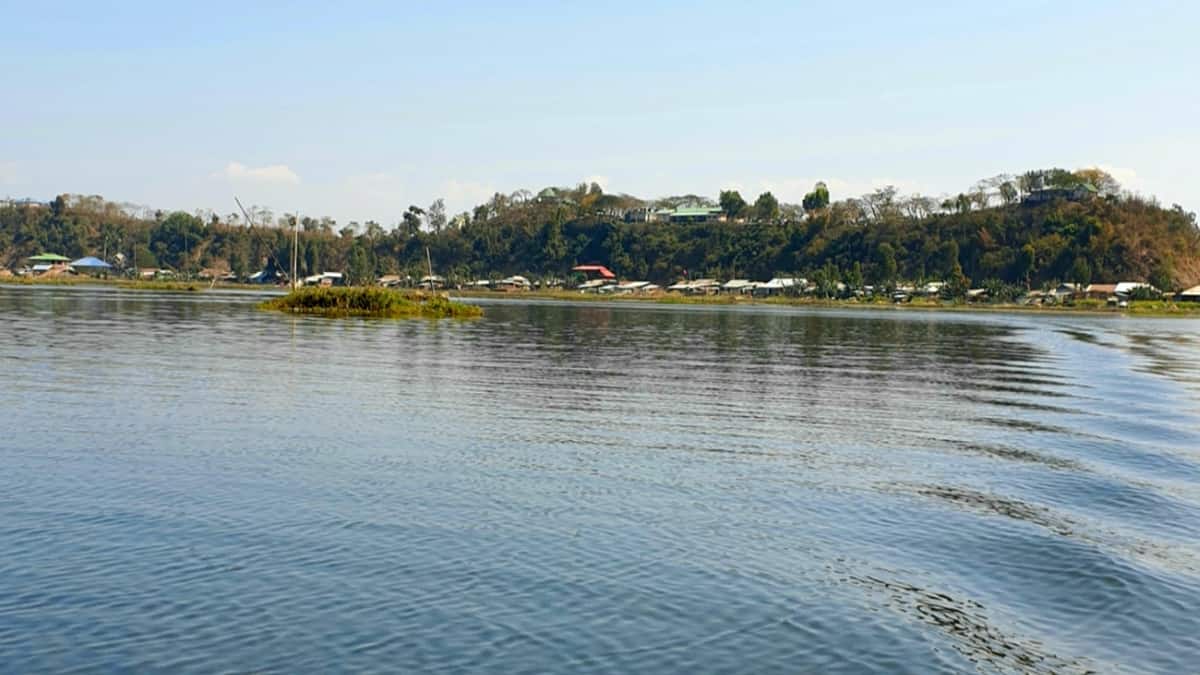
Explore Sendra Island
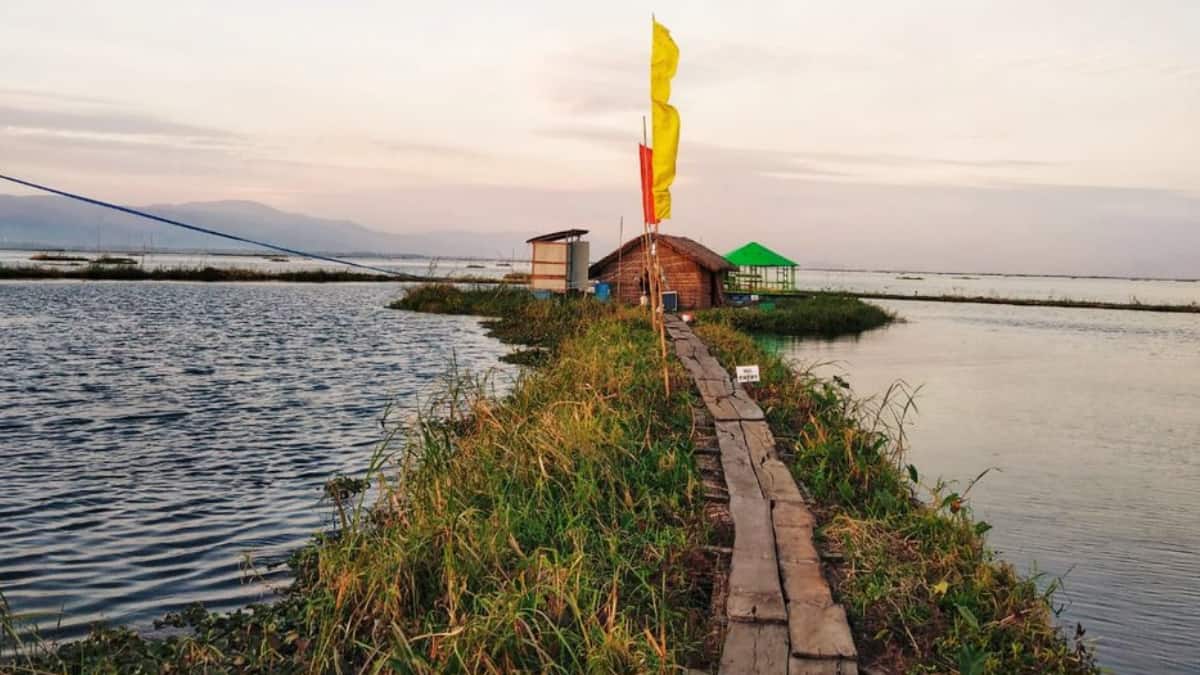
(Image Source: Facebook/Bidyarani Yumnam)
Sendra Island is a key attraction within Keibul Lamjao. This small, accessible island provides panoramic views of Loktak Lake and the floating phumdis, making it a paradise for photographers and nature lovers. Walking through the island at sunrise or sunset reveals a stunning palette of colours. The peaceful surroundings also make Sendra Island ideal for meditation or simply soaking in the serenity of this unique landscape.
Wildlife And Birdwatching
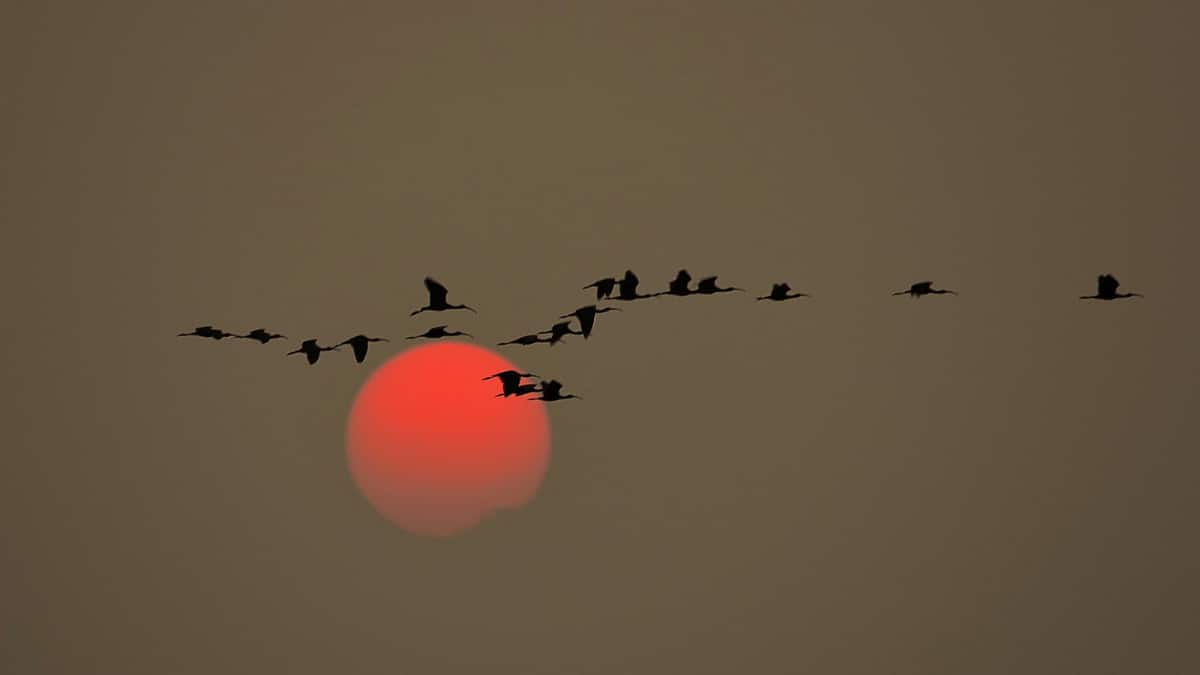
(Image Source: Facebook/Nkapil Singh)
Keibul Lamjao is a haven for wildlife enthusiasts and birdwatchers. While the Sangai deer is the star attraction, the park also shelters hog deer, wild boar, otters, and a range of migratory birds, including ducks, storks, and herons. Winter months are particularly rewarding, with hundreds of migratory birds visiting the lake. Binoculars and a camera can turn a simple visit into a rich wildlife observation adventure, especially in the quiet early hours when the park awakens.
Sunset And Nature Walks
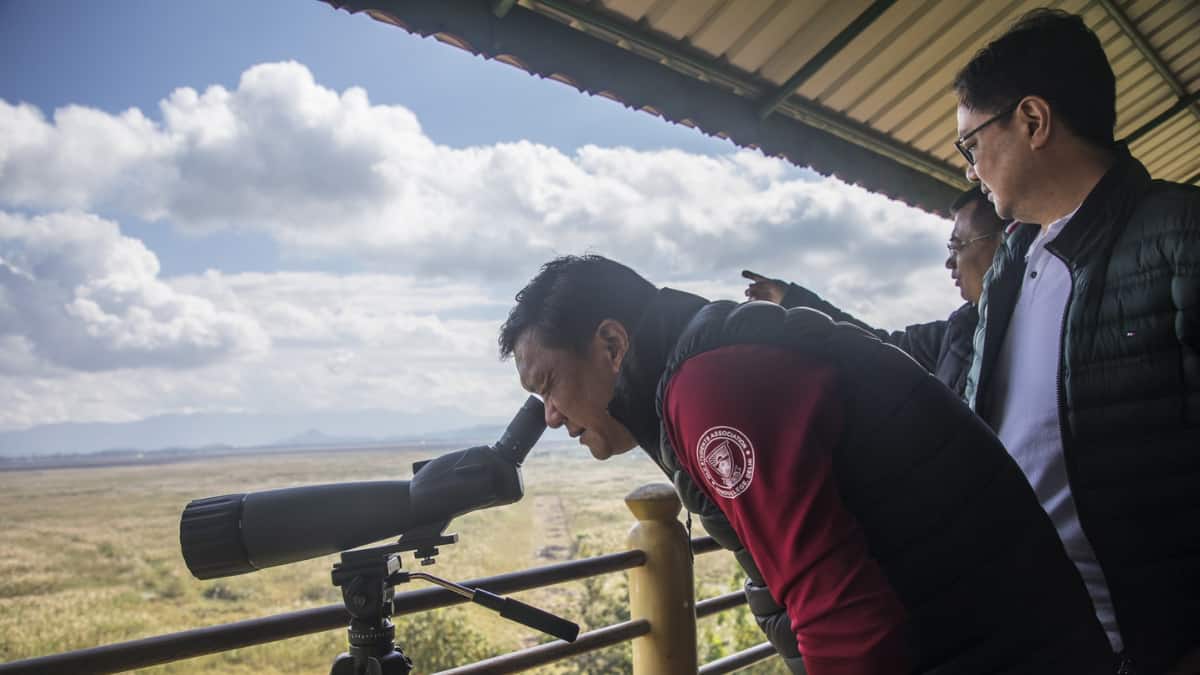
(Image Source: Twitter/@PemaKhanduBJP)
For those who enjoy tranquil nature walks, Keibul Lamjao offers paths along the edges of the lake and smaller islands where you can experience the biodiversity up close. Sunset walks are particularly magical, as the golden light highlights the textures of the phumdis and the calm water reflects the sky. These walks are ideal for reflection, sketching, or simply absorbing the unmatched serenity of this floating paradise.
Cultural And Community Interaction
(Image Source: Twitter/@AnkitKumar_IFS)
Visitors can also interact with local fishing communities living on floating huts, learning about traditional fishing techniques and the lifestyle adapted to life on Loktak Lake. This cultural experience adds a unique human element to your visit, connecting the park’s natural wonders with the heritage and daily life of Manipur’s lake communities.
Best Time To Visit Keibul Lamjao National Park
The ideal time to visit Keibul Lamjao National Park is from November to March. During this time, the weather is pleasant, visibility is clear, and the floating landscape appears at its most stunning. Each season during this period offers a slightly different charm, allowing travellers to enjoy the park at a comfortable pace.
Right after the monsoon, the phumdis are thick, lush and vibrant. The lake brims with fresh water, the air feels crisp and the floating meadows take on a rich green hue. This is an excellent time for photography, lake views and peaceful boat rides.
The colder months are the best for wildlife spotting, especially the endangered Sangai deer that often emerges during the colder hours. Migratory birds arrive in large numbers, making winter the most rewarding season for birdwatchers.
Late winter to early spring offers bright skies, calm waters, and mild weather. Boat rides on Loktak Lake become smoother, sunrise and sunset views are spectacular, and overall activity around the lake increases.
Keibul Lamjao is an experience woven with nature, culture, and rarity. From floating islands to a deer that dances on water, from breathtaking lakeside sunsets to soulful encounters with wildlife, every moment here feels magical.
For travellers looking for something unforgettable, this floating treasure of Manipur remains one of India’s most astonishing natural miracles.